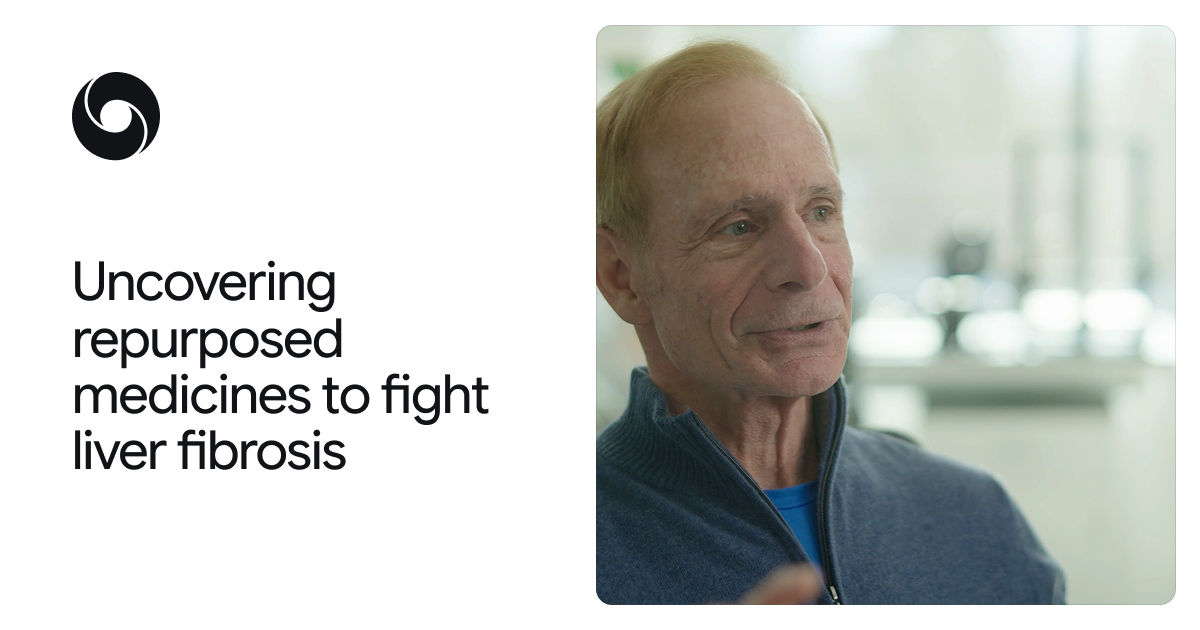
A cancer drug, vorinostat, blocked 91% of a key damage response driving liver scarring in Stanford University School of Medicine experiments, revealing a potential for repurposing existing medicines. Geneticist Gary Peltz utilized the artificial intelligence platform Co-Scientist to accelerate the search for treatments to slow or reverse liver fibrosis, a condition contributing to more than 1.4 million deaths annually. Peltz’s initial drug selections proved ineffective in the fibrosis testbed, but two of the three candidates proposed by Co-Scientist blocked fibrosis and encouraged liver cell regeneration. “Co-Scientist feels like a collaborator that’s read everything available about biomedical science, with the reasoning capabilities to find the connections that we’re currently missing,” said Professor Gary Peltz, suggesting a new approach to anti-fibrotic medicine development.
Co-Scientist Identifies Vorinostat for Blocking Liver Fibrosis
More than 1.4 million deaths occur each year due to liver fibrosis. Published in Advanced Science, the research details how Co-Scientist proposed three drugs, two of which blocked fibrosis and stimulated liver cell regeneration, a result not seen when Peltz selected drugs based on existing liver fibrosis literature. Co-Scientist identified vorinostat despite it appearing in only a handful of papers relating to liver fibrosis, demonstrating the platform’s capacity to unearth connections overlooked by conventional research. The AI’s selections favored drugs that modulate gene activity, a broader mechanism than targeting single fibrosis pathways, prompting Peltz to suggest these drugs warrant focused investigation as anti-fibrotic medicines. This outcome underscores the potential of AI to accelerate drug discovery by efficiently sifting through vast datasets and proposing effective therapeutic options for complex diseases like liver fibrosis.
Peltz’s Lab Validates AI-Driven Drug Repurposing
Gary Peltz’s team published findings in Advanced Science detailing how the AI platform Co-Scientist outperformed traditional methods in drug repurposing efforts; Peltz tasked the platform with proposing three candidate drugs and providing rationale for each selection. This contrasted sharply with Peltz’s own initial drug selections, which showed no benefit in the fibrosis testbed. Of the three drugs proposed by Co-Scientist, two inhibited fibrosis and actively promoted liver cell regeneration, suggesting the platform’s ability to identify nuanced connections often missed by human researchers. The AI’s success stemmed from identifying drugs that modulate gene activity, rather than focusing on single, established fibrosis pathways, a strategy Peltz believes warrants further investigation and could lead to a new era of anti-fibrotic medicines.
Co-Scientist feels like a collaborator that’s read everything available about biomedical science, with the reasoning capabilities to find the connections that we’re currently missing.
See today’s quantum computing news on Quantum Zeitgeist for the latest breakthroughs in qubits, hardware, algorithms, and industry deals.