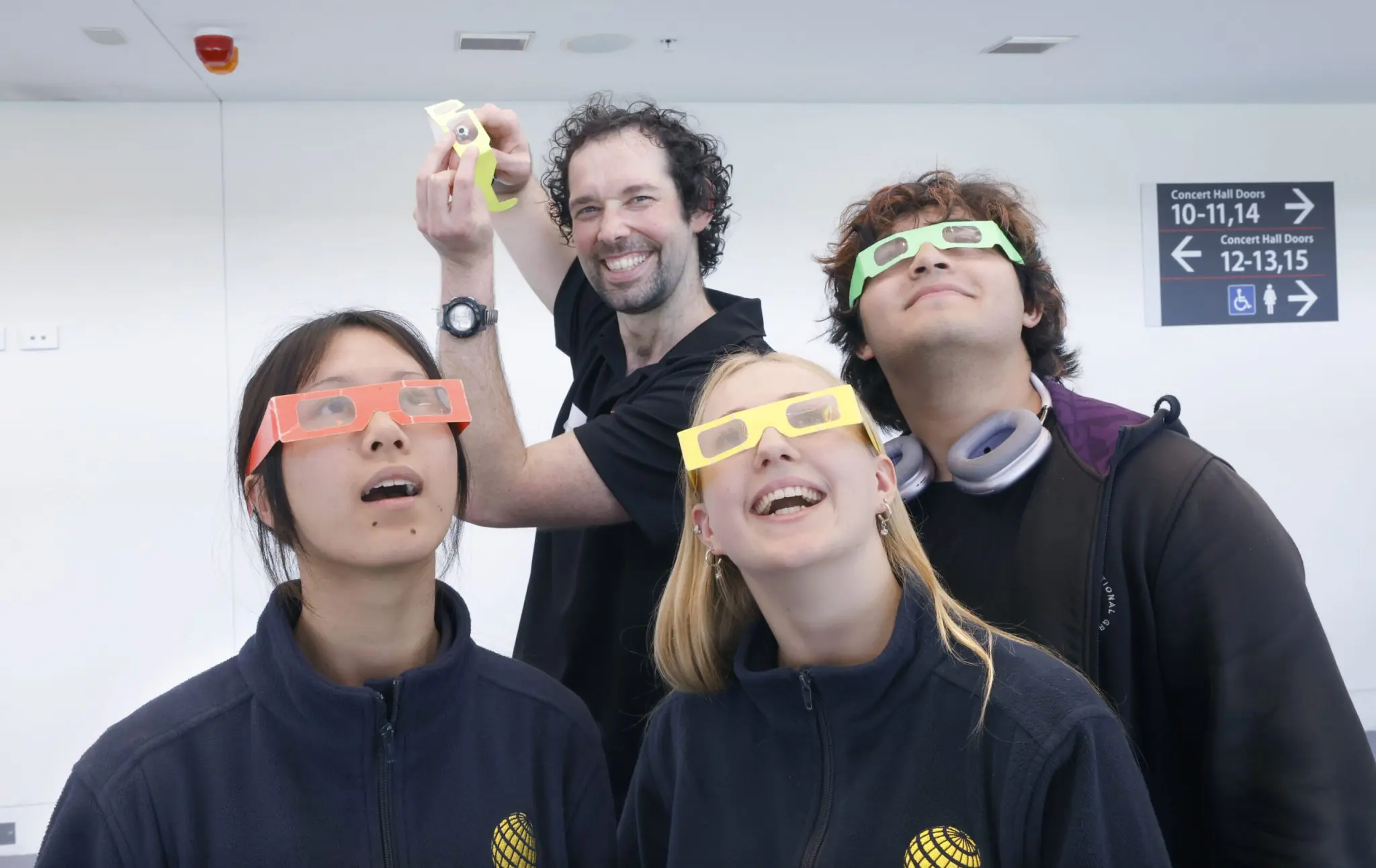
More than 500 students, teachers, career advisors, and community members attended a Sydney Quantum Academy event during National Science Week, and 27% of Australians report familiarity with quantum technologies. Scientia Professor Andrea Morello of UNSW Sydney challenged perceptions of quantum physics as purely theoretical, explaining that researchers “are not simply studying quantum phenomena but building and engineering technologies that harness them.” He demonstrated how his team now observes and manipulates the quantum state of a single atom, a feat once considered impossible, while emphasizing the need for a diverse workforce extending beyond scientists to include engineers and entrepreneurs. The event showcased multiple pathways and opportunities, with speakers like Communications Director Cayla Dengate and engineer Dr. Will Gilbert sharing their unconventional routes into the field.
Sydney Quantum Academy Event Highlights Diverse Career Paths
With only 27% of Australians reporting they have heard of quantum technologies, helping people understand what quantum is, why it matters, and where they might fit within the field is increasingly important as Australia’s quantum sector grows. The event moved beyond theoretical explanations to showcase the practical applications rapidly emerging from quantum research.
Scientia Professor Andrea Morello (UNSW Sydney) suggested this ability will fuel breakthroughs in areas ranging from materials science to climate solutions and requires a diverse workforce to translate research into real-world impact. The event underscored that a traditional science or engineering background isn’t the only route into the quantum sector.
Cayla Dengate, Communications Director at Emergence Quantum, shared her journey from journalism into quantum communication, demonstrating the need for skilled storytellers to explain complex technologies. One attendee commented that they “didn’t know there was this much to quantum” before the event and now had “a much better understanding of the field and would love to pursue a career in it.” Others echoed this sentiment, appreciating the breadth of potential pathways available, which highlights the Academy’s success in broadening perceptions of who belongs in the growing quantum industry.
Solving that problem sparked a passion for innovation and discovery that ultimately led him into the quantum sector.
Morello’s Research Demonstrates Quantum Technology Applications
This control, he explained, opens avenues for breakthroughs in diverse fields including materials discovery and the development of novel climate solutions. Morello emphasized that the quantum sector requires a broad skillset, needing not only scientists and researchers but also engineers, software developers, and entrepreneurs. Michaela Ripper, Exhibition Developer at Questacon, further explored these potential applications, drawing parallels between quantum technologies and modern computing. She suggested that, like computers, most people will likely interact with quantum systems without needing to understand the underlying hardware.
Ripper highlighted potential uses ranging from improved sports injury diagnosis to non-invasive archaeological surveys and innovative approaches to tackling climate change. This broadened perspective aims to move quantum beyond abstract concepts and into relatable, everyday applications, and underscores the diversity of career paths available within the burgeoning quantum industry.
Most people use computers every day without understanding the underlying hardware, suggesting quantum technologies are likely to follow a similar path.
Attendee Feedback Reveals Increased Quantum Understanding
Teachers also praised the event for showcasing multiple pathways and opportunities available to students, a crucial step in building a future quantum workforce equipped with varied skills and perspectives. The Academy’s efforts suggest a deliberate move to cultivate not just technical expertise, but also the interdisciplinary talent necessary for sustained innovation in quantum technologies.


See today’s quantum computing news on Quantum Zeitgeist for the latest breakthroughs in qubits, hardware, algorithms, and industry deals.