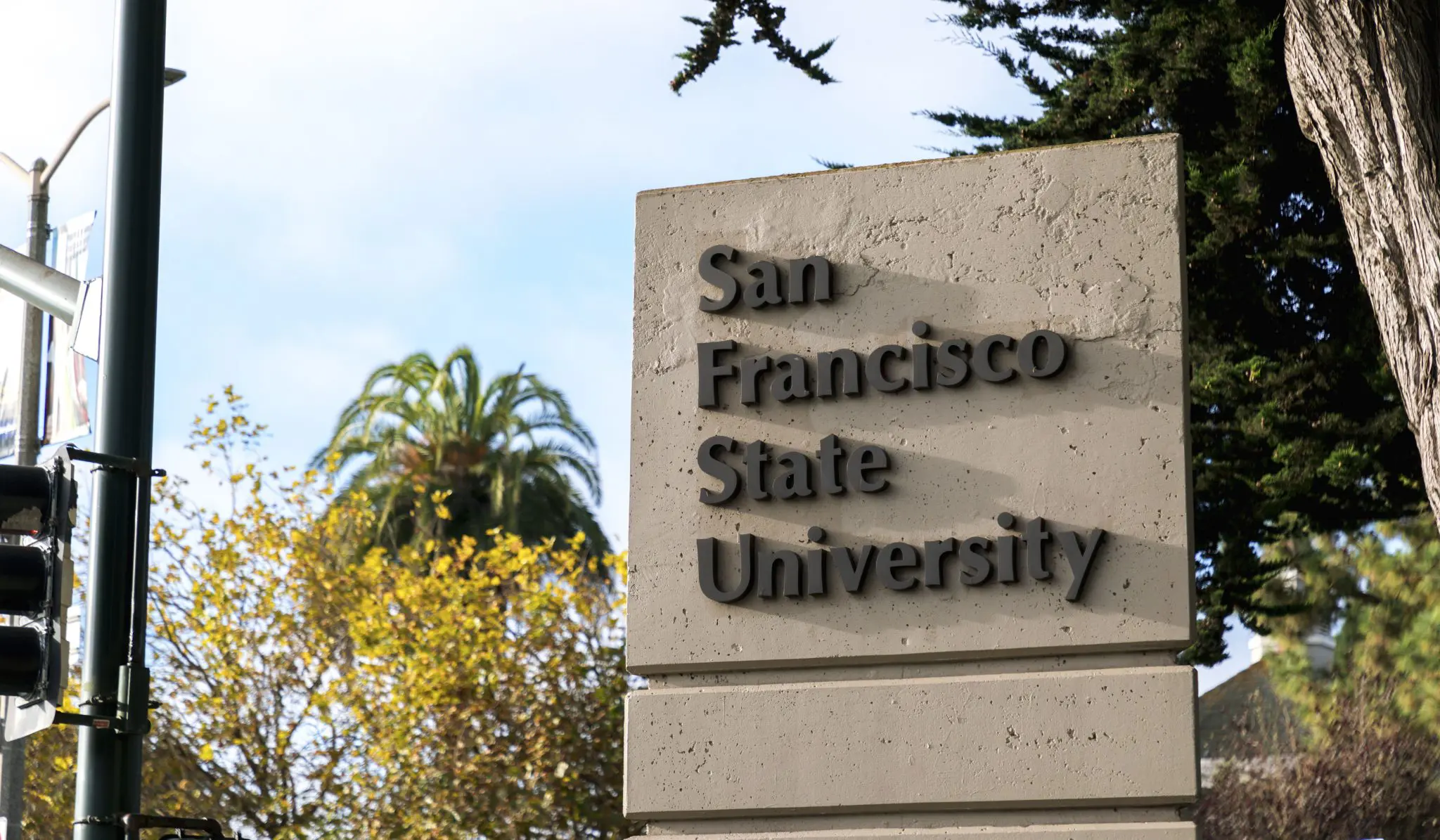
More than 94,000 students, faculty and staff across the California State University system previously shared their experiences with artificial intelligence, revealing a widespread level of engagement and concern. Now, the CSU is again inviting input from its community, explicitly seeking perspectives from those through a new survey open until October 19.
Professor and Chair of the Academic Senate Jackson Wilson is using data from last year’s responses to pinpoint whether attitudes and behaviors around AI are shifting, directly informing future policy decisions. “AI is changing quickly, and campuses need to understand how our students, faculty and staff are actually experiencing it,” said Andrew Roderick, SFSU assistant vice president of Academic Technology.
CSU Seeks SFSU Community Input on Generative AI Use
The California State University is actively quantifying shifts in attitudes toward artificial intelligence, with the current survey specifically designed to identify whether concerns and behaviors observed last year are holding steady or evolving. This follow-up study aims to provide a longitudinal understanding of AI adoption and apprehension, directly informing future policy decisions across the 23-campus system. The scope of the current inquiry extends beyond those actively using AI. The CSU explicitly invites input from individuals to gain a comprehensive picture of sentiment.
You don’t have to like AI. We want to hear from everyone.” This inclusive strategy acknowledges that understanding resistance to the technology is as important as understanding its adoption. Participants completing the anonymous, ten-minute survey can also enter a drawing for a $25 gift card or an iPad, incentivizing broad participation through October 19. Initial findings from last year’s survey revealed widespread concerns regarding AI’s accuracy, potential impacts on academic integrity and ethical considerations, alongside anxieties about job security and the need for enhanced training resources.
Wilson elaborated on the nuances of those earlier responses, explaining, “The previous study indicated that overall students have multiple concerns with AI; however, there are differences between groups of students in how that angst is impacting their behavior.” Understanding whether these varied anxieties persist, intensify, or diminish over time is central to the CSU’s ongoing evaluation of AI integration.
Beyond the survey, SFSU will host the SF Hacks x GDG AI Hackathon on October 2, offering students a hands-on opportunity to explore and build projects using new AI tools, further contributing to the university’s understanding of the technology’s potential and limitations.
AI is changing quickly, and campuses need to understand how our students, faculty and staff are actually experiencing it.
Andrew Roderick, SFSU assistant vice president of Academic Technology




See today’s quantum computing news on Quantum Zeitgeist for the latest breakthroughs in qubits, hardware, algorithms, and industry deals.