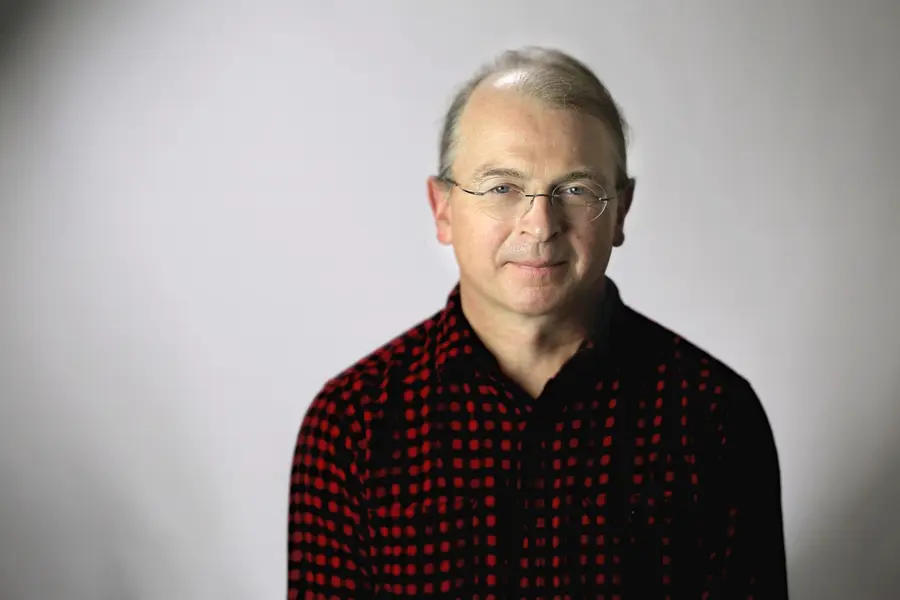
Planckian has appointed Seth Lloyd, Professor of Mechanical Engineering at MIT, as its Founding Fellow, a role signifying a deep commitment to the company’s technical roadmap. The appointment builds on work stemming from a paper published in Science, where Lloyd first proposed globally controlled quantum computation, an approach now directly informing Planckian’s architecture. Most current quantum hardware struggles with scalability due to the need for dedicated control lines per qubit, a problem Planckian aims to solve with its global microwave drive system. “Planckian’s unique architecture, based on global control, overcomes one of the primary obstacles to building fully error-corrected, scalable quantum computers,” said Lloyd; he will focus on error correction strategies tailored to this innovative architecture as the company matures.
Globally Controlled Architectures Address Qubit Scalability
Unlike conventional designs, this architecture allows for operation of multiple qubits through a unified control mechanism, potentially reducing the complexity and resource demands of larger systems. The company’s strategy focuses on a deep investigation into the theoretical underpinnings of error correction within globally controlled systems; Lloyd’s role as Founding Fellow will center on these strategies, recognizing that error mitigation is intrinsically linked to architectural design as quantum systems grow in complexity. “As quantum systems scale, error correction becomes inseparable from architectural design,” the company notes, highlighting the need for both theoretical expertise and practical judgment. Michele Dallari, CEO and Co-Founder of Planckian, explained that “Seth’s paper was an obvious starting point” when building the scientific foundation of the company, emphasizing the long-standing influence of Lloyd’s work. This formalization of a two-decade-long scientific exchange signifies a commitment to tackling the central challenges of maturing the architecture and achieving scalable quantum processing.
Seth Lloyd Advances Error Correction for Planckian’s System
Planckian’s approach to quantum computing differs from conventional designs that necessitate dedicated control lines for each qubit, a limitation increasingly hindering scalability as systems grow in complexity. This isn’t a new partnership; a two-decade-long scientific exchange underpins the formalization of Lloyd’s role as Founding Fellow, signaling a deep commitment to the company’s technical trajectory. Lloyd’s primary focus will be on developing quantum error correction strategies specifically tailored to Planckian’s globally controlled architecture, a critical challenge as the system matures. This focus on error correction, integrated directly into the architectural design, is expected to accelerate progress toward viable quantum systems.
When we were building the scientific foundation for Planckian, Seth’s paper was an obvious starting point. The idea that global control could be the basis for scalable quantum computation shaped how we thought about the problem from the beginning.
Michele Dallari, CEO and Co-Founder of Planckian
Source: https://www.planckian.co/



See today’s quantum computing news on Quantum Zeitgeist for the latest breakthroughs in qubits, hardware, algorithms, and industry deals.