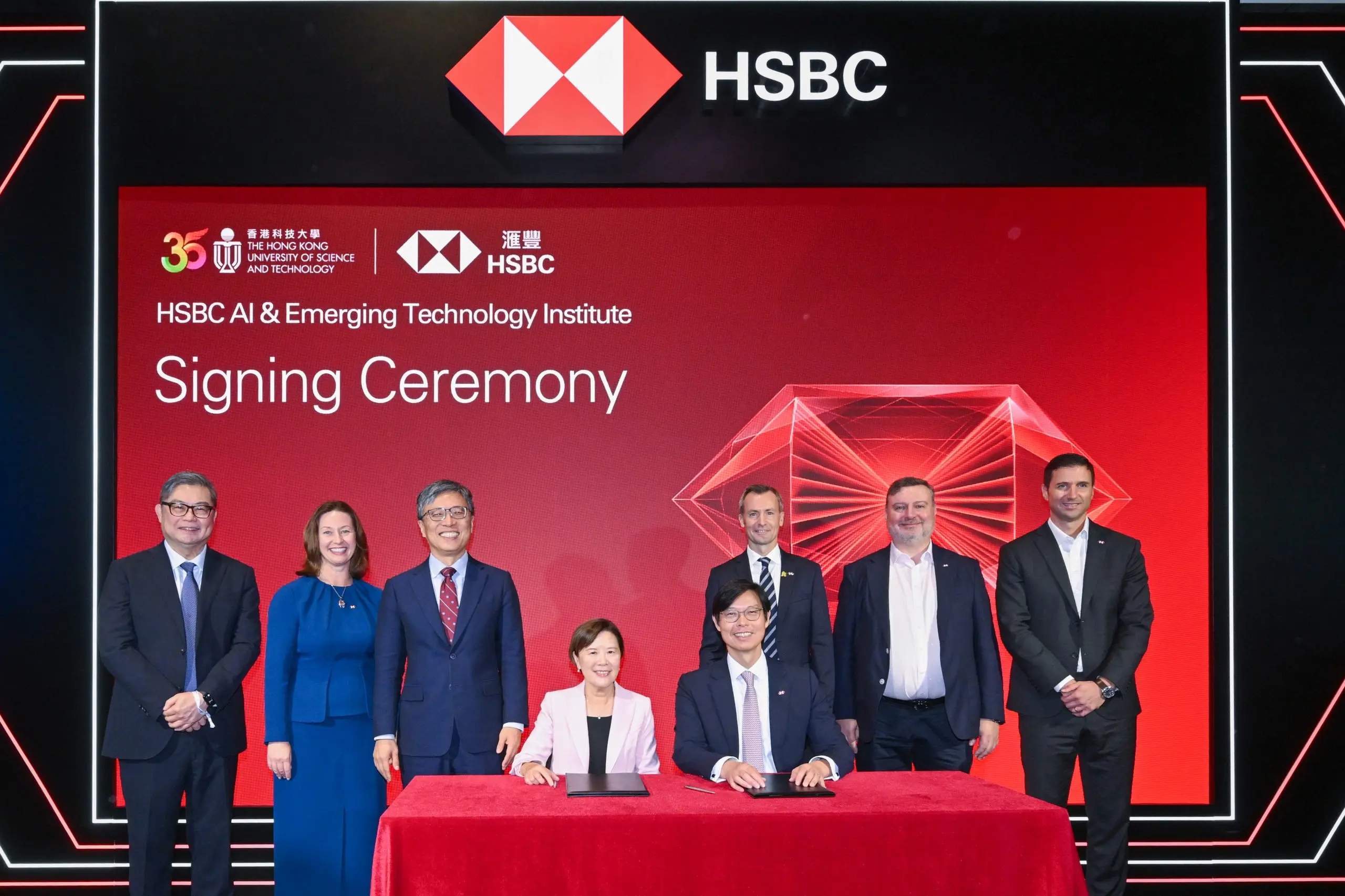
The Hong Kong Monetary Authority (HKMA) and Hong Kong University of Science and Technology (HKUST) launched the Cryptography (PQC) Toolkit on November 2, providing banks with tools to address cryptographic asset and dependency stocktaking, transition priority definition and supplier engagement. According to Arthur Yuen, Deputy Chief Executive of the HKMA, “The next step is to help banks translate that understanding into clear responsibilities, informed priorities and practical plans.” The Toolkit, announced at the eighth edition of the FiNETech series, aims to raise the sector’s QPI score to 10 by 2030.
PQC Toolkit Framework Guides Banks’ Transition Planning
The PQC Toolkit provides banks with specific tools for cryptographic asset and dependency stocktaking, the first step in assessing their vulnerability to future quantum-based attacks. This detailed approach moves beyond broad assessments of preparedness by requiring institutions to map their existing cryptographic infrastructure, identifying exactly what systems and data rely on algorithms susceptible to quantum decryption. The toolkit’s emphasis on dependency mapping allows banks to pinpoint areas needing immediate attention and prioritize resource allocation for the complex transition ahead.
The framework, unveiled at the eighth edition of FiNETech8, also guides banks in defining transition priorities based on risk exposure and business criticality. Rather than a one-size-fits-all approach, the toolkit encourages institutions to tailor their PQC implementation to their specific needs and threat profiles. This includes strengthening engagement with suppliers, a frequently overlooked aspect of cryptographic agility, to ensure that third-party software and services also adopt quantum-resistant algorithms.
Developing practical transition timelines, informed by these assessments, is another key component of the toolkit’s guidance. The initial QPI score of 2.3 out of 10 indicated that, while the sector had begun addressing quantum-related developments, its overall readiness for the transition to PQC remains at an early stage. Co-developed by the HKMA and HKUST, the toolkit aims to drive the sector toward a QPI score of 10 by 2030, a clear benchmark for achieving full quantum readiness.
The collaboration reflects HKUST’s commitment to translating academic research into practical solutions for emerging technological challenges. “Preparing for the quantum era is a leadership challenge,” said Prof. Frederik ANSEEL, Dean of the School of Business and Management at HKUST.
“Banks can build the knowledge and organizational capability they need even while the timing of the threat remains uncertain. Our collaboration with the HKMA and industry translates academic research and practical experience into guidance that banks can use. By starting with manageable steps and learning from trials, banks can strengthen their preparedness over time.” The toolkit’s modular design allows banks to implement changes incrementally, minimizing disruption and maximizing learning opportunities. The HKMA and HKUST intend to update the PQC Toolkit over time, incorporating evolving technological developments, international standards, and practical implementation experience gained from banks.
This commitment to continuous improvement ensures the toolkit remains a relevant and valuable resource throughout the PQC transition. The toolkit is available online, providing banks with immediate access to the resources needed to begin their quantum preparedness journey. Mr. Arthur YUEN, Deputy Chief Executive of the HKMA, said, “Our aim is to make it easier for banks to begin the work and sustain progress throughout the transition.”
The Quantum Preparedness Index has established a clear starting point for the sector. The next step is to help banks translate that understanding into clear responsibilities, informed priorities and practical plans.
Prof. Frederik ANSEEL, Dean of the School of Business and Management at HKUST (HKUST Business School)
Source: https://hkust.edu.hk/news/hkust-and-hkma-launch-pqc-toolkit-support-banks-quantum-preparedness




See today’s quantum computing news on Quantum Zeitgeist for the latest breakthroughs in qubits, hardware, algorithms, and industry deals.