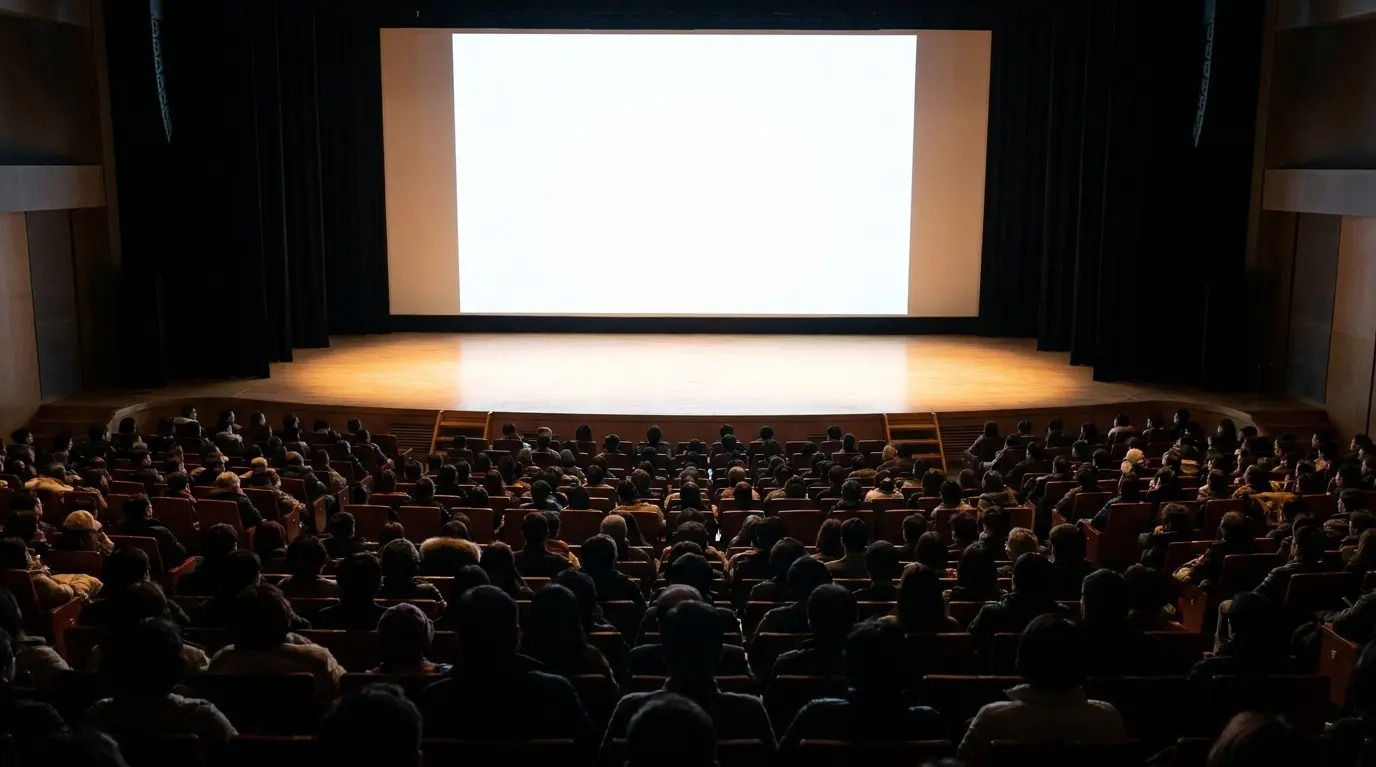
The University of Edinburgh’s Quantum Software Lab (QSL) and the National Quantum Computing Centre (NQCC) are co-hosting the Quantum Fringe Festival 2026, a two-month program running from May to July. Building on the success of last year’s inaugural event, which drew around 1,000 attendees to 16 events, the festival aims to broaden engagement with the evolving field of quantum computing.
Quantum Fringe 2026 brings together researchers, industry professionals and the public to explore how quantum technologies are moving from theory to practical use in areas like cybersecurity and artificial intelligence, establishing Scotland as a key hub for quantum innovation.
Quantum Fringe Festival 2026: Expanding Scotland’s Quantum Ecosystem
Quantum Fringe 2026 will run for two months, from May to July, a significant expansion of the festival’s duration and scope beyond a typical conference format. This extended timeframe allows for sustained engagement with quantum technologies and a broader range of events designed to connect researchers, industry professionals and the public. Inspired by the Edinburgh Festival Fringe, the festival embraces open participation, supplementing a core program with affiliated events hosted by institutions across Scotland and internationally.

This distributed approach aims to strengthen the UK’s quantum ecosystem through collaborative knowledge exchange and public outreach. From hardware development and algorithmic design to areas like verification, benchmarking and real-world applications, Quantum Fringe 2026 provides a platform for translating theoretical advancements into practical solutions. The 2026 program includes several publicly accessible events, such as AIMDay: Quantum Computing on June 12th at the John McIntyre Conference Centre.
This challenge-led meeting will facilitate direct collaboration between organizations presenting real-world problems and researchers exploring potential solutions. The Tartan Quantum Error Correction (TartanQEC) Workshop, scheduled for June 24th-26th at the Informatics Forum, University of Edinburgh, will gather international academics and industry experts.
The workshop will focus on practical approaches to quantum error correction, addressing implementation challenges, benchmarking methodologies and the design of near-term quantum systems. A three-day Young Quantum Researchers Summer School, running from July 1st to 3rd at the University of Edinburgh’s Nucleus Building and Edinburgh Futures Institute, will introduce senior school students to the fundamentals of quantum computing and potential research careers, featuring lectures from Quantum Software Lab researchers, hands-on coding sessions and insights into studying and working within the field.
Alongside these events, the festival will host specialist workshops, industry demonstrates, and invitation-only activities led by partners including IBM, QURECA, and the Quantum Informatics CDT. These events will cover topics ranging from quantum networks and benchmarking to the intersection of artificial intelligence, digital technologies and the broader UK quantum ecosystem.
According to the festival’s promotional material, “By bringing together diverse communities — from early-career researchers to industry leaders — the festival helps foster the collaboration needed to develop practical quantum applications.” The festival’s organizers emphasize its role in supporting the UK’s National Quantum Strategy by facilitating the translation of academic expertise into impactful solutions for real-world challenges.




See today’s quantum computing news on Quantum Zeitgeist for the latest breakthroughs in qubits, hardware, algorithms, and industry deals.