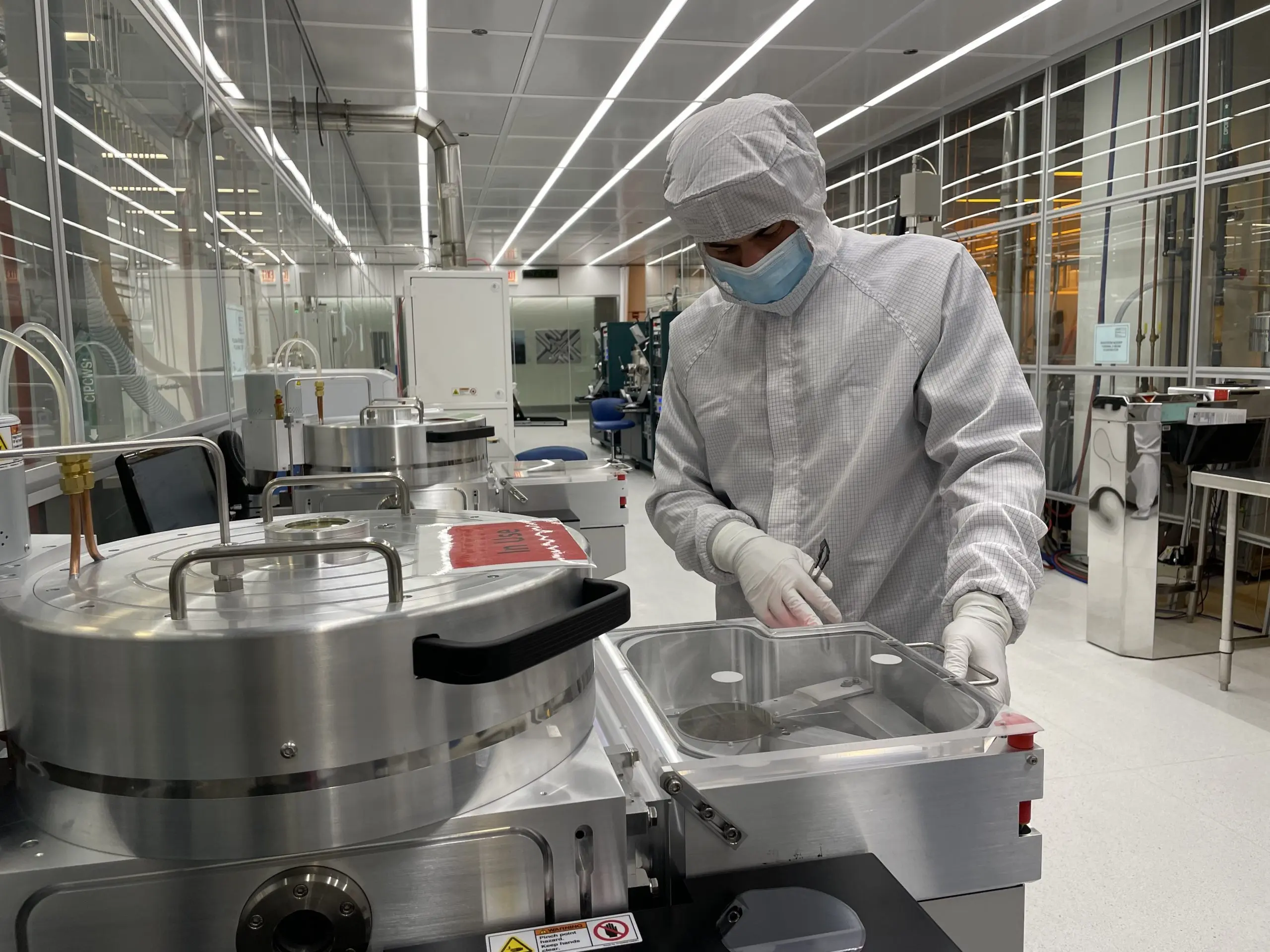
The Bloch Quantum Tech Hub will include representatives from the FBI as non-voting advisors as it builds a national quantum supply chain, a surprising step reflecting the growing need to secure emerging technologies. Initial funding of $30 million from the U.S. Economic Development Administration spurred an additional $25 million in commitments, positioning the Midwest as a potential center for quantum manufacturing.
“The Bloch builds a domestic quantum supply chain,” according to the hub’s announcement, and will use existing regional manufacturing capacity to reduce reliance on foreign imports and bolster security. The Chicago Quantum Exchange leads the effort, with a governance board encompassing universities, national labs and economic development organizations.
Bloch Quantum Tech Hub Governance Board: Academia, Industry, and Labs
David Awschalom, Liew Family Professor of Quantum Engineering and Physics, will chair the governing board of the Bloch Quantum Tech Hub, a structure designed to integrate academic, industrial and governmental expertise. The board’s composition reflects a deliberate strategy to support a domestic quantum supply chain and address security concerns as the technology matures, with representatives from institutions like Fermi National Accelerator Laboratory. Federal Bureau of Investigation leaders from the Chicago field office will participate as non-voting advisors, specifically focused on threat assessment as the hub develops its security infrastructure.
Beyond national labs, the board includes key economic development organizations such as the Illinois and Wisconsin Economic Development Corporations, indicating an intent to use regional strengths in manufacturing. Manufacturing Extension Partnership, the Illinois Manufacturing Excellence Center, and the University of Wisconsin-Stout are also included.
The hub’s focus on establishing a robust domestic supply chain directly addresses a critical vulnerability; reliance on foreign imports currently hinders innovation and increases production costs. Requests for proposals, beginning with a focus on security professionals, will be released this week and listed at chicagoquantum.org/bloch, marking the start of a formal procurement process.


See today’s quantum computing news on Quantum Zeitgeist for the latest breakthroughs in qubits, hardware, algorithms, and industry deals.