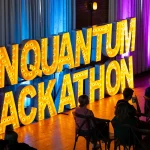
Researchers, educators, and industry representatives convened at the University of San Carlos-Talamban Campus November 9-11 for QISTCon.PH 2026, a Quantum Innovation, Science and Technology Conference organized by the Quantum Computing Society of the Philippines. The event placed Philippine quantum research, cybersecurity readiness and regional collaboration on a shared agenda, with the theme “Shaping the Quantum Future: From National Innovation to Regional Impact.” Sessions ranged from demonstrations of light polarization and Qiskit programming to research addressing power-system optimization and disaster-response planning, reflecting a focus on connecting practical learning with national priorities.
National Roadmap & Quantum Technology Priorities
Dr. Escorial of DOST-PCIEERD, which prompted a focused discussion on current capabilities and future goals. International experts contributed to this focus; Dr. Rodney Van Meter of Keio University addressed scalable quantum computing, and Julian Tan of IBM Singapore detailed IBM’s roadmap and partnerships. Dr. Jianlong Lu presented on adaptive algorithmic control. Quantum-safe security emerged as a key theme on the second day of the conference, reflecting growing concerns about the vulnerability of digital systems.
A panel moderated by QCSP President Bobby Corpus Jr. brought together Philip Casanova of SGV/EY, Olga Mamlyga of Quantum Scouts and Jeffrey Serrano of Securemetric to discuss the intersection of research and organizational readiness. Conference materials stated that “the session connected the conference’s research agenda with the practical readiness concerns facing organizations that depend on secure digital systems,” highlighting the intention to translate theoretical advancements into tangible security measures. The Asian Development Bank’s quantum innovation challenge for disaster risk financing was also featured.
Southeast Asian Collaboration & Quantum Diplomacy
Dylan Josh Lopez, QCSP’s Director for Policy and Diplomacy, served as lead organizer. The November 9 program offered four parallel tracks covering quantum education, introductory programming, energy applications and space and disaster risk reduction and management. This approach aimed to build capacity not just within research institutions, but also among organizations responsible for critical infrastructure and emergency response. Working groups dedicated to science policy, quantum education, and quantum diplomacy further emphasised the emphasis on translating research into actionable strategies.

See today’s quantum computing news on Quantum Zeitgeist for the latest breakthroughs in qubits, hardware, algorithms, and industry deals.