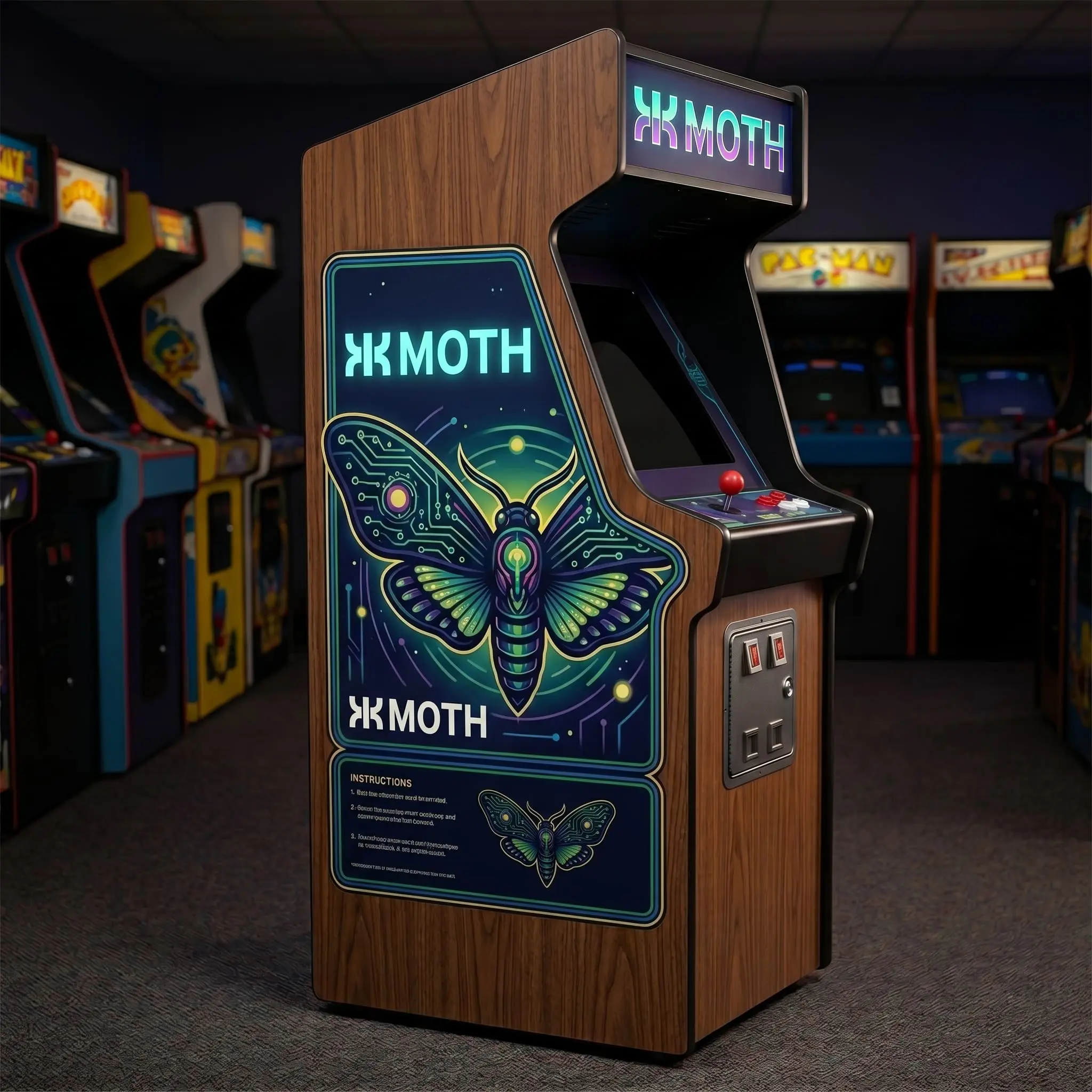
Thousands of players accessed Quantum Backrooms on launch day, establishing an initial user base for a game powered by real quantum computers. Moth, a London-based quantum computing company, has released the world’s first consumer product utilizing the technology, inviting players to explore evolving labyrinths generated by actual Quantum Processing Units. Inspired by the popular internet phenomenon “Backrooms,” each qubit within the quantum computer corresponds to a section of the game world, and the connections between qubits determine possible paths through the maze. “Every major computing shift becomes mainstream when people can experience it directly,” said Sean Harpur, CEO of Moth. “Quantum computing has long been viewed as something remote, technical and inaccessible. Quantum Backrooms changes that.” This launch marks a shift from quantum computing as something discussed in research papers to something that can be directly experienced by a global audience.
Quantum Backrooms: First Consumer Product Utilizing Real QPUs
Real qubits correspond to sections of the game world, while the connections between qubits determine possible paths through the maze. This demonstrates a shift from quantum computing as something discussed in research papers to something that can be directly experienced by a global audience. Rather than focusing solely on hardware advancements, Moth is demonstrating the technology’s potential through direct consumer engagement, a strategy similar to the early days of artificial intelligence.
Sean Harpur, CEO of Moth, said that every major computing shift becomes mainstream when people can experience it directly. He explained that quantum computing has long been viewed as something remote, technical and inaccessible, but Quantum Backrooms changes that. The same underlying platform used to create Quantum Backrooms is designed to open quantum computing to creators, developers and studios, giving them the ability to build quantum applications without deep technical knowledge. This platform is currently in alpha testing with a select group and is slated for public release later this year. Harry Kumar, Founder and CCO of Moth, said: “The next leap in quantum computing will not come from hardware alone. It will come when consumers start to engage with it and our collective imagination for new applications is unlocked.”
Moth’s Platform Bridges Quantum Computing to Creators & Developers
Moth is extending beyond a single game release, establishing a platform designed to democratize access to quantum computing for a wider range of developers and creative studios. Unlike previous approaches focused solely on hardware advancements, the company aims to foster innovation by enabling application building without requiring specialized quantum expertise. This platform, currently undergoing alpha testing with a select group, is anticipated to become publicly available later in the year, signaling a move toward broader quantum application development. Moth’s applications are designed to be platform neutral, functioning on any quantum computer, and Quantum Backrooms specifically leveraged both IBM and IQM quantum computers, demonstrating the versatility of their approach.
Harry Kumar, Founder and CCO of Moth, explains the potential impact: “Our platform will catalyse a huge leap forward for the quantum sector, unlocking the kind of creative experimentation that historically supercharges adoption and innovation.” He added that the next leap in quantum computing will not come from hardware alone, but when consumers start to engage with it and our collective imagination for new applications is unlocked. This emphasis on creative exploration mirrors early AI developments like Google’s Magenta and OpenAI’s DALL-E, which, while not final products, introduced disruptive capabilities and broadened user access. Every major computing shift becomes mainstream when people can experience it directly; quantum computing has long been viewed as something remote, technical and inaccessible, and Quantum Backrooms changes that.
Every major computing shift becomes mainstream when people can experience it directly. Quantum computing has long been viewed as something remote, technical and inaccessible. Quantum Backrooms changes that. This is how the next phase of quantum adoption begins.
Sean Harpur, CEO of Moth
Quantum Computing’s Trajectory Mirrors Early AI Accessibility
Moth, the London-based quantum computing company, is actively demonstrating a parallel between the current state of quantum technology and the early days of artificial intelligence accessibility. Rather than focusing solely on incremental hardware improvements, Moth launched Quantum Backrooms, a publicly available game powered by real quantum processing units, immediately placing the technology in the hands of thousands of players. This approach echoes the strategy employed by early AI pioneers like Google with Magenta and OpenAI with DALL-E, releases that broadened access and sparked wider interest. Sean Harpur, CEO of Moth, said: “Every major computing shift becomes mainstream when people can experience it directly.” He continued, “Quantum computing has long been viewed as something remote, technical and inaccessible. Quantum Backrooms changes that.” Harry Kumar, Founder and CCO of Moth, said: “The next leap in quantum computing will not come from hardware alone. It will come when consumers start to engage with it and our collective imagination for new applications is unlocked.”
Our platform will catalyse a huge leap forward for the quantum sector – unlocking the kind of creative experimentation that historically supercharges adoption and innovation. The next leap in quantum computing will not come from hardware alone. It will come when consumers start to engage with it and our collective imagination for new applications is unlocked.
Harry Kumar, Founder and CCO of Moth



See today’s quantum computing news on Quantum Zeitgeist for the latest breakthroughs in qubits, hardware, algorithms, and industry deals.