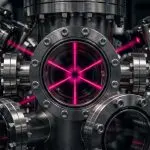
Pasqal and True Nexus announced on September 2, 2026, they successfully encoded protein structures on a neutral-atom quantum computer, a first step toward computationally designing protein functionality for food applications, the company says. The collaboration tackled protein gelation, the process of creating texture in foods, a molecular mechanism that has resisted computational design for decades and historically relied on costly trial and error.
“Encoding real protein structures on our neutral-atom processors shows how quantum can move from the lab toward the problems that matter to industry and to nations,” said Mark Armstrong, CCO EMEA of Pasqal. This work aims to unlock a projected USD 1 trillion protein market by enabling the design of new, better-performing proteins.
Neutral-Atom Technology Encodes Protein Structures for Gelation Modeling
This achievement bypasses decades of reliance on slow and costly trial and error in food science, offering a pathway to predict and control how proteins form gels. The collaboration between Pasqal and True Nexus focused specifically on bridging the gap between AI-driven protein intelligence and quantum hardware, allowing researchers to explore the connection between a protein’s structure and its functional behavior, according to the company.
True Nexus believes this work will unlock the ability to design proteins with tailored functionality, a capability with significant economic implications; Bloomberg Intelligence projects the global protein market will approach USD 1 trillion by 2030. The team’s work targets untapped potential in plant-based, halal, and regionally grown protein sources, hindered until now by the lack of effective design tools. For the Kingdom of Saudi Arabia, this milestone is a demonstration of applied quantum technology with national significance, showcasing the potential of quantum computing to address real-world challenges and drive innovation.
This is the moment protein functionality stops being a mystery and starts becoming designable.
Dominik Grabinski, Chief Executive Officer of True Nexus
True Nexus & Pasqal Advance Saudi Arabia’s Quantum Biotechnology Ambitions
The achievement extends beyond simply predicting protein shapes; Pasqal and True Nexus successfully modeled protein gelation, a specific molecular mechanism governing food texture, using quantum computation. This targeted approach demonstrates a move toward solving practical challenges in food science, rather than focusing solely on broad structural prediction. True Nexus, a Saudi Arabian deep-technology company, paired artificial intelligence with Pasqal’s neutral-atom system to bypass decades of reliance on empirical testing in protein engineering.
According to Pasqal, neutral-atom technology is particularly well-suited to address such complex problems that are classically difficult. This work positions Saudi Arabia as a hub for applied quantum technology with implications for the protein economy, potentially unlocking new avenues for regionally sourced and halal protein development. The companies stated that the future may hold programmable protein functionality tailored for specific applications, moving beyond the limitations of current ingredient development processes.
Encoding real protein structures on our neutral-atom processors shows how quantum can move from the lab toward the problems that matter to industry and to nations.
Mark Armstrong, CCO EMEA of Pasqal


See today’s quantum computing news on Quantum Zeitgeist for the latest breakthroughs in qubits, hardware, algorithms, and industry deals.