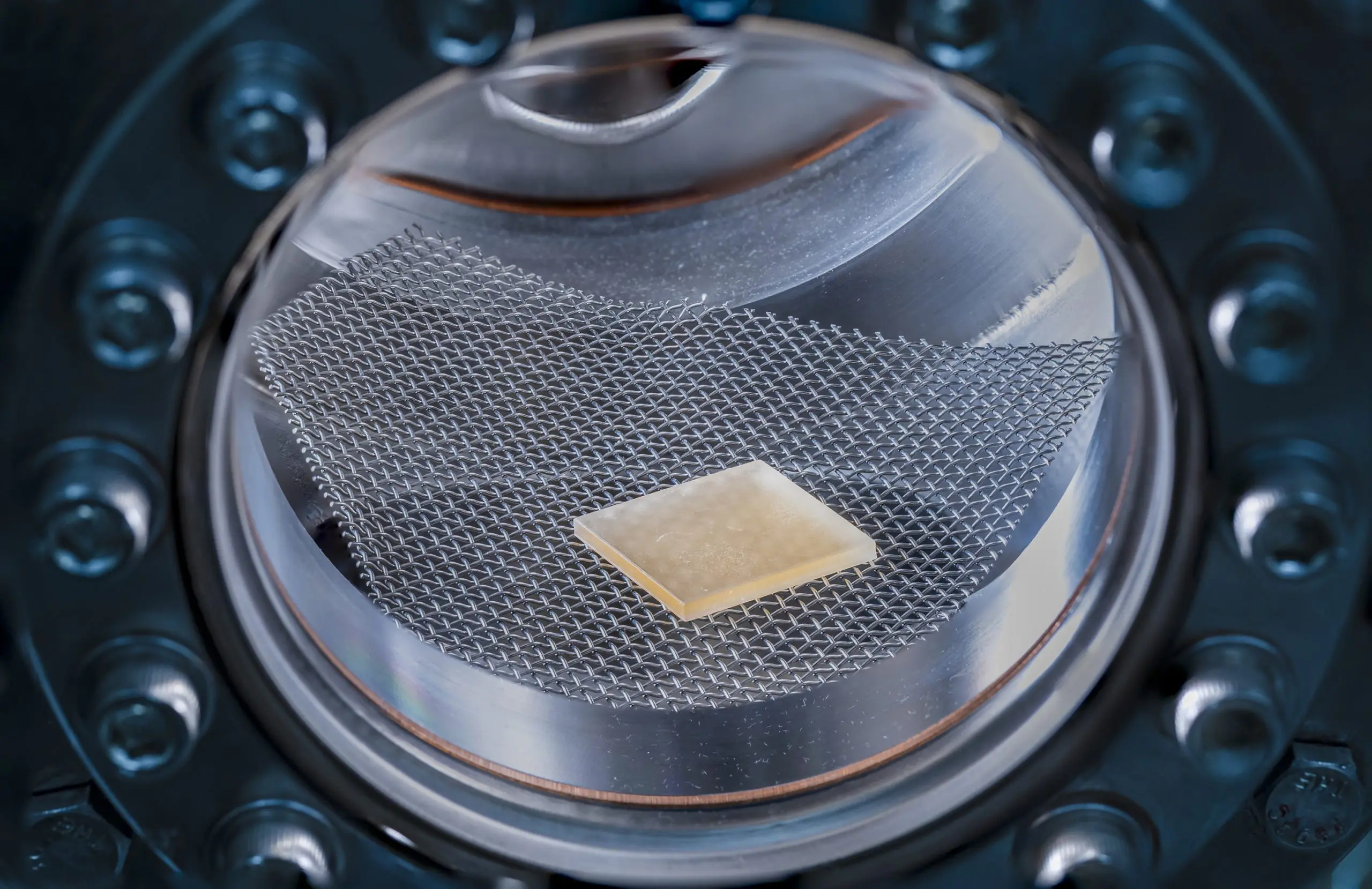
Oak Ridge National Laboratory researchers have achieved silicon-28 purity of 99.9999 percent in silane production, a level that eliminates contaminant isotopes. Germanium-73 and silicon-29 were reduced to below one part per million, directly addressing stability issues in quantum devices. The achievement, recognized with a DOE Secretary’s Achievement Award, bolsters a domestic supply chain supporting the Genesis Mission and represents a purity at least 100 times greater than any commercially available source worldwide.
“Achievements like these demonstrate the value of national laboratories,” said ORNL Director Stephen Streiffer. “Our researchers are applying deep scientific and technical expertise to some of the nation’s most difficult challenges.” The lab also received an award for safely storing spent highly enriched uranium in Kazakhstan.
HEU Removal from Kazakhstan Reactor Enhances Nuclear Security
The safe storage of spent highly enriched uranium from Kazakhstan’s IVG.1M research reactor represents a step in bolstering global nuclear security. This was achieved through an interim solution developed by a team at Oak Ridge National Laboratory. This international effort successfully relocated the material, establishing a secure storage method and mitigating proliferation risks associated with the uranium. Kris Gaines of ORNL served as both country project manager for Kazakhstan and the technical lead for the entire undertaking, demonstrating a commitment to international collaboration in nuclear safety.
This achievement extends beyond simply removing the HEU from the reactor core; the team engineered a complete interim storage solution, ensuring the material remains secure until long-term disposition options are finalized. This proactive approach addresses a critical vulnerability in the global nuclear landscape, reducing the potential for diversion or misuse of fissile materials.
UT-Battelle manages ORNL for the Department of Energy’s Office of Science, which supports basic research in the physical sciences and works to address pressing global challenges. The successful completion of this project highlights the vital role national laboratories play in addressing complex security threats, and this is the kind of impact ORNL is committed to delivering for Americans. The IVG.1M Reactor Highly Enriched Uranium Removal Team developed and implemented a safe interim storage solution for spent highly enriched uranium in Kazakhstan.
Achievements like these are the reason national laboratories exist.
Stephen Streiffer, ORNL Director




See today’s quantum computing news on Quantum Zeitgeist for the latest breakthroughs in qubits, hardware, algorithms, and industry deals.