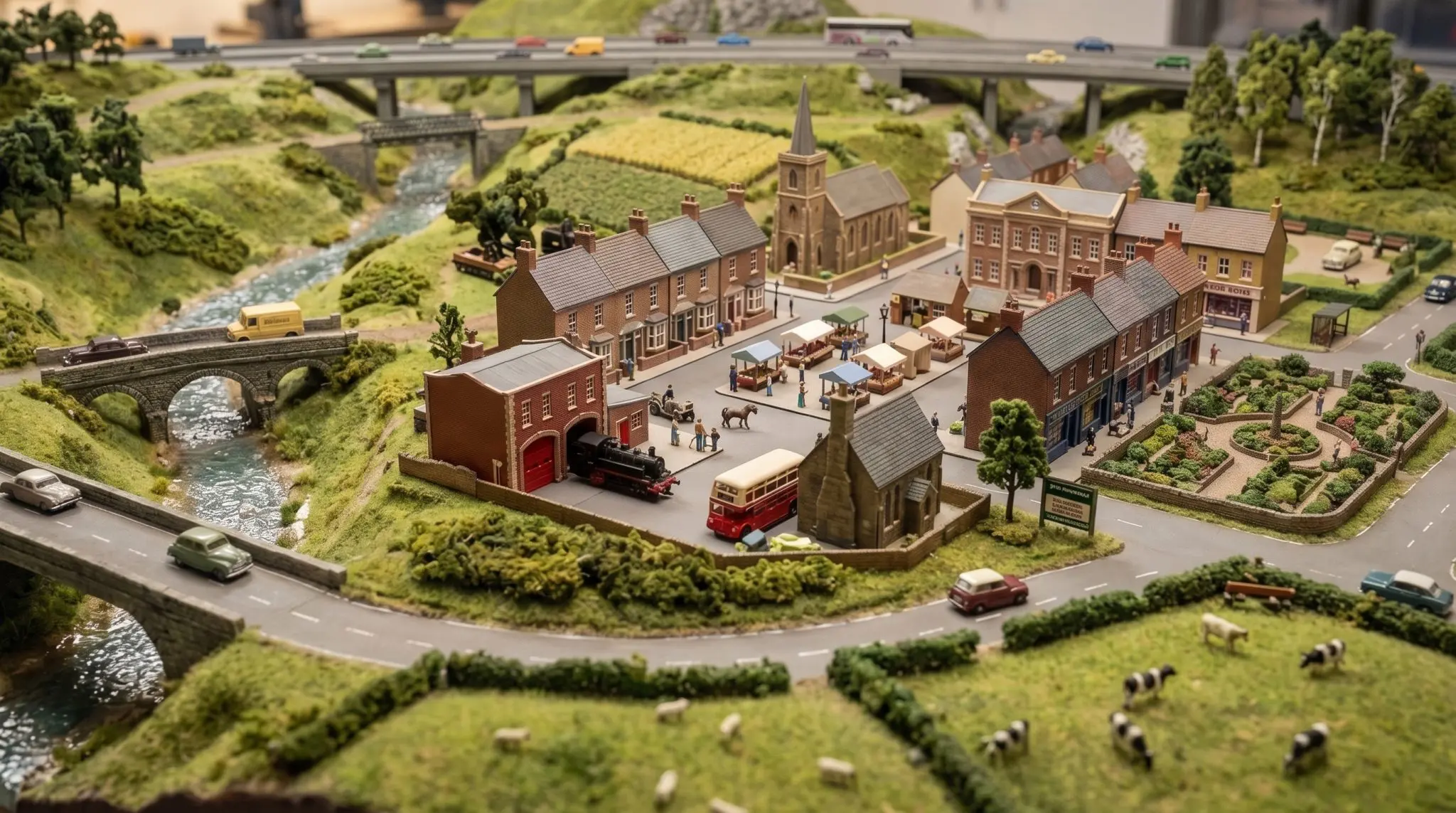
NEC Corporation reports it has developed an AI capable of generating highly detailed 3D models in as little as one minute, a process previously requiring costly specialized equipment and significantly more time. The technology utilizes footage from general-purpose cameras, such as those found on smartphones, to create these models while automatically removing extraneous elements. This innovation, developed in collaboration with the Keio AI Research Center, replicates on-site conditions without interrupting operations, even in dynamic environments like power infrastructure and construction sites. NEC aims to promote digital twin technology adoption, helping to alleviate labor shortages and enhance facility safety, and plans to commercialize the technology within fiscal year 2027.
AI-Driven 3D Model Generation from General-Purpose Footage
NEC has revealed a new artificial intelligence capable of constructing highly detailed 3D models from standard camera footage in under one minute, a feat previously demanding specialized hardware and considerably more processing time. This technology bypasses the need for expensive equipment, utilizing footage from readily available sources like smartphone cameras to rapidly replicate on-site conditions, even within dynamic environments. The development, announced by NEC Corporation, addresses growing demands for efficient digital twin creation, particularly within infrastructure and construction sectors facing labor shortages. The AI doesn’t simply capture images; it actively refines them, automatically identifying and removing transient elements such as personnel or temporary equipment before reconstructing the scene as a precise 3D model. This ensures accurate representations of static on-site conditions, even during ongoing operations, and allows for seamless integration into digital twin applications.
NEC stated that the 3D models can be easily viewed on ordinary computers or tablets, allowing users to instantly assess on-site conditions. This rapid 3D model generation is achieved through a combination of Gaussian Splatting, a technique gaining traction in film and animation, and NEC’s proprietary AI. The system optimizes point density within the 3D model, concentrating detail in complex areas while reducing it in uniform regions, resulting in a 90% reduction in generation time compared to conventional methods. The collaborative effort with the Keio AI Research Center underscores a commitment to academic partnerships driving innovation in this space.
This advancement relies on a combination of Gaussian Splatting and proprietary artificial intelligence, allowing for high-fidelity digital representations generated solely from footage captured by readily available, general-purpose cameras. A key innovation is the AI’s ability to intelligently manage point density within the 3D models; complex areas receive denser point clusters for detail, while uniform areas utilize sparser arrangements, optimizing visual fidelity without increasing computational demands. NEC research indicates this efficient point placement allows for rapid model creation without sacrificing accuracy. Beyond speed, the system addresses a common challenge in dynamic environments by automatically identifying and removing transient elements, people, vehicles, or temporary equipment, present in the source footage. NEC intends to commercialize this technology within the next fiscal year, aiming to alleviate labor shortages and improve safety protocols within infrastructure and construction sectors by promoting wider adoption of digital twin technology. The company believes this technology will enable optimal personnel allocation and more efficient on-site operations, fundamentally changing how these industries approach facility management.
Previous methods required considerably more time and expensive, specialized hardware, but this technology distinguishes itself by functioning effectively with footage captured by general-purpose cameras, eliminating the need for dedicated, high-end equipment. This rapid creation of 3D models isn’t just about speed; it’s about accessibility, with substantial implications for remote facility inspections and rapid response to anomalies, potentially alleviating labor shortages and enhancing safety within the infrastructure and construction sectors.


See today’s quantum computing news on Quantum Zeitgeist for the latest breakthroughs in qubits, hardware, algorithms, and industry deals.