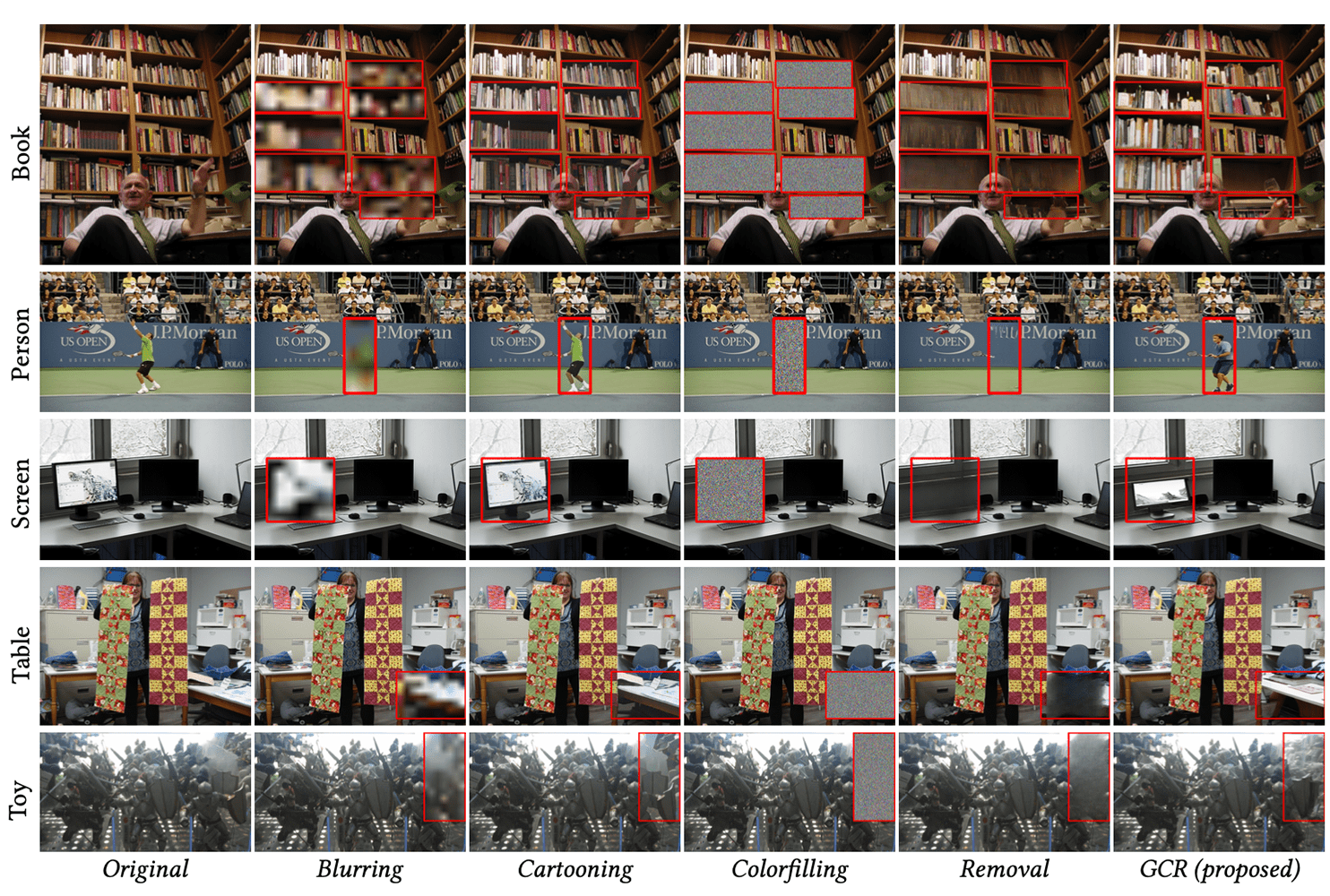
Researchers from Japan, China, and Finland have developed a system using generative artificial intelligence to protect image privacy. The system, named “generative content replacement” (GCR), replaces parts of images that could compromise privacy with AI-generated alternatives. In tests, 60% of viewers couldn’t distinguish the altered images. The team, including Associate Professor Koji Yatani from the University of Tokyo, believes this technology provides a more visually cohesive method for image censoring, preserving the image’s narrative while protecting privacy. The research was presented at the Association for Computing Machinery’s CHI Conference on Human Factors in Computing Systems.
Generative AI: A New Approach to Image Privacy Protection
Artificial intelligence (AI) has been making significant strides in various fields, and one of its latest applications is in the realm of image privacy protection. A team of researchers from Japan, China, and Finland have developed a system that uses generative AI to replace parts of images that could potentially compromise confidentiality. This system, named “generative content replacement” (GCR), substitutes these parts with AI-generated alternatives that are visually similar. In tests, 60% of viewers were unable to distinguish which images had been altered. The researchers presented their findings at the Association for Computing Machinery’s CHI Conference on Human Factors in Computing Systems in Honolulu, Hawaii, in May 2024.
The Role of Generative AI in Daily Life
Generative AI has swiftly integrated into our daily lives, offering solutions for a variety of tasks, from generating school essays to creating business strategies. However, its rapid advent has also raised concerns about its potential impact on job security, online safety, and creative originality. Despite these concerns, the researchers propose using a feature of generative AI – its ability to manipulate images – to address privacy issues.
Generative Content Replacement: A Solution for Image Privacy
The researchers developed a computer system that uses generative AI technology to protect image privacy. The system, named generative content replacement (GCR), identifies potential privacy threats in an image and replaces them with realistic but artificially created substitutes. For instance, personal information on a ticket stub could be replaced with illegible letters, or a private building could be replaced with a fake building or other landscape features. Compared to traditional image protection methods such as blurring or color filling, GCR maintains the narrative of the original images and higher visual harmony.
The Current Limitations and Future Potential of GCR
Despite its promising results, the GCR system currently requires substantial computational resources, making it unsuitable for personal devices. The system tested was fully automatic, but the researchers have since developed a new interface that allows users to customize images, providing more control over the final outcome. While there may be concerns about the risks of realistic image alteration, the researchers believe that GCR offers a novel method for protecting against privacy threats while maintaining visual coherence for storytelling purposes.
The Impact of GCR on Image Privacy Protection
The researchers believe that the greatest benefit of GCR is providing a new option for image privacy protection. By maintaining the visual coherence of the original image, GCR allows individuals to share their content more safely. Despite the current limitations, the potential of GCR in the field of image privacy protection is significant, offering a promising solution to the ongoing challenge of balancing privacy with the need for visual clarity and narrative continuity.
External Link: Click Here For More




See today’s quantum computing news on Quantum Zeitgeist for the latest breakthroughs in qubits, hardware, algorithms, and industry deals.