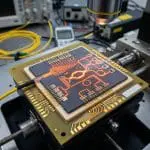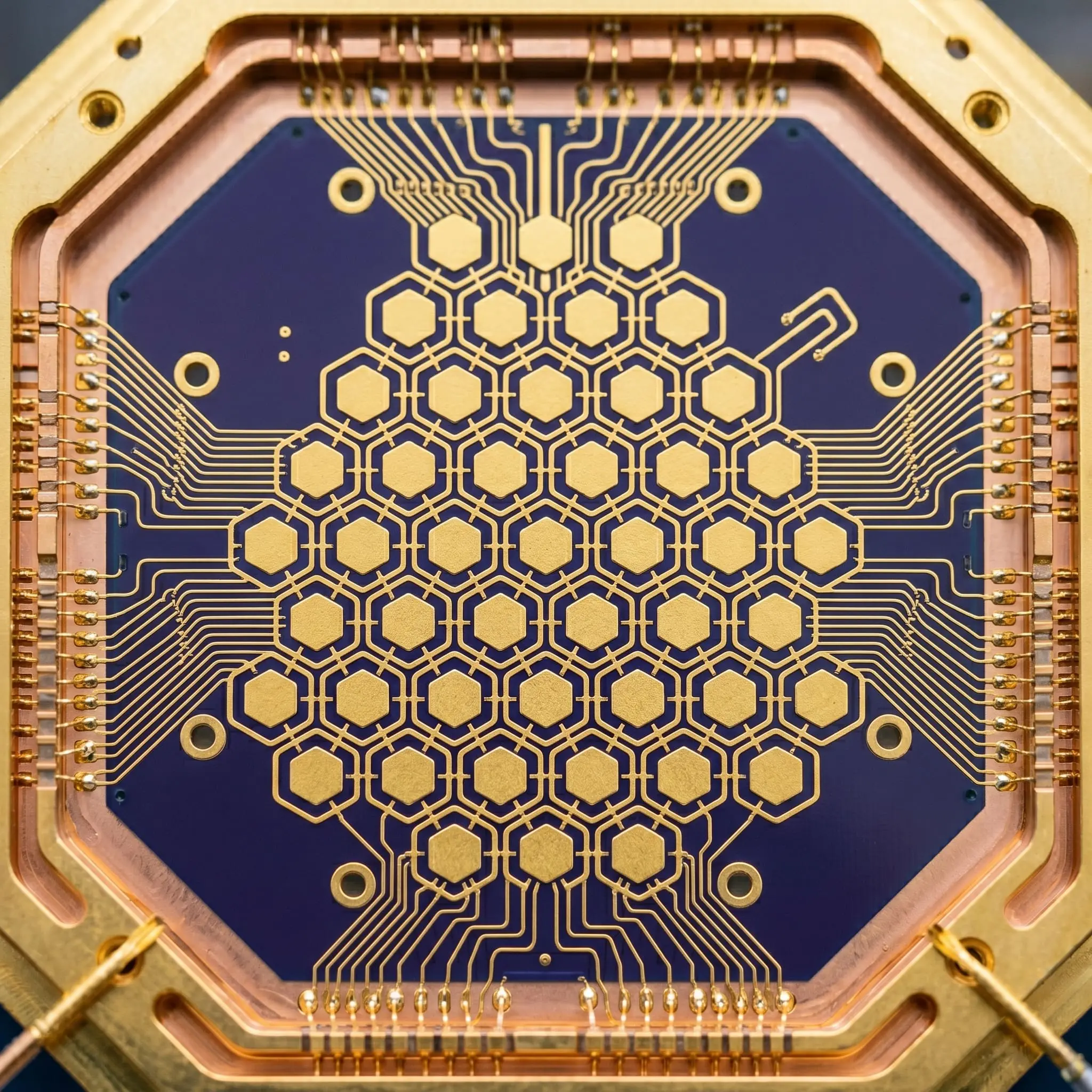
An investment exceeding EUR 100 million will bring the first private quantum computer to Central and Eastern Europe, establishing a unique infrastructure at the FreeYaMind Campus in Iași. Developed in partnership with IBM, the system is expected to be delivered this autumn, offering universities, researchers, and companies in Romania direct access to this advanced technology. Alexandru Ioan Cuza University of Iași played a key role in attracting this investment, having introduced a quantum computing course before the technology was fully developed; Associate Professor Andreea Arusoaie explained that the course was designed to familiarize students with the technology, noting the field’s rapid advancement. Operating at a temperature of approximately minus 270 degrees Celsius and requiring specialized protection from vibration and noise, the computer represents a strategic step toward retaining IT specialists and fostering new research within Romania.
FreeYaMind Campus to Install First Central/Eastern European Quantum Computer
Delivery of the IBM-backed system is anticipated this autumn, a remarkably swift timeline considering the complexities of quantum technology and the proactive approach taken by Alexandru Ioan Cuza University of Iași. The university introduced a quantum computing course before the technology matured, demonstrating foresight in preparing students for this emerging field. Researchers involved with the project state that this location was chosen in part because no comparable facilities currently exist elsewhere in the region. Maintaining the computer’s functionality will demand specialized infrastructure capable of shielding it from vibration and noise while sustaining an operating temperature of approximately minus 270 degrees Celsius. The installation aims to provide direct access to quantum computing for universities, researchers, and private companies, potentially bolstering Romania’s IT sector and fostering new avenues for research and industrial applications; Arusoaie believes this development could help retain highly skilled specialists within the country.
The anticipated arrival of a EUR 100 million quantum computer in Iași, Romania, establishes a significant investment in quantum technology within Central and Eastern Europe, promising a first-of-its-kind infrastructure for the region. Remarkably, delivery of the system is expected in autumn this year, a swift timeline considering the inherent complexities of quantum hardware development.
The purpose of the course was just to familiarise students with the technology,”
See today’s quantum computing news on Quantum Zeitgeist for the latest breakthroughs in qubits, hardware, algorithms, and industry deals.