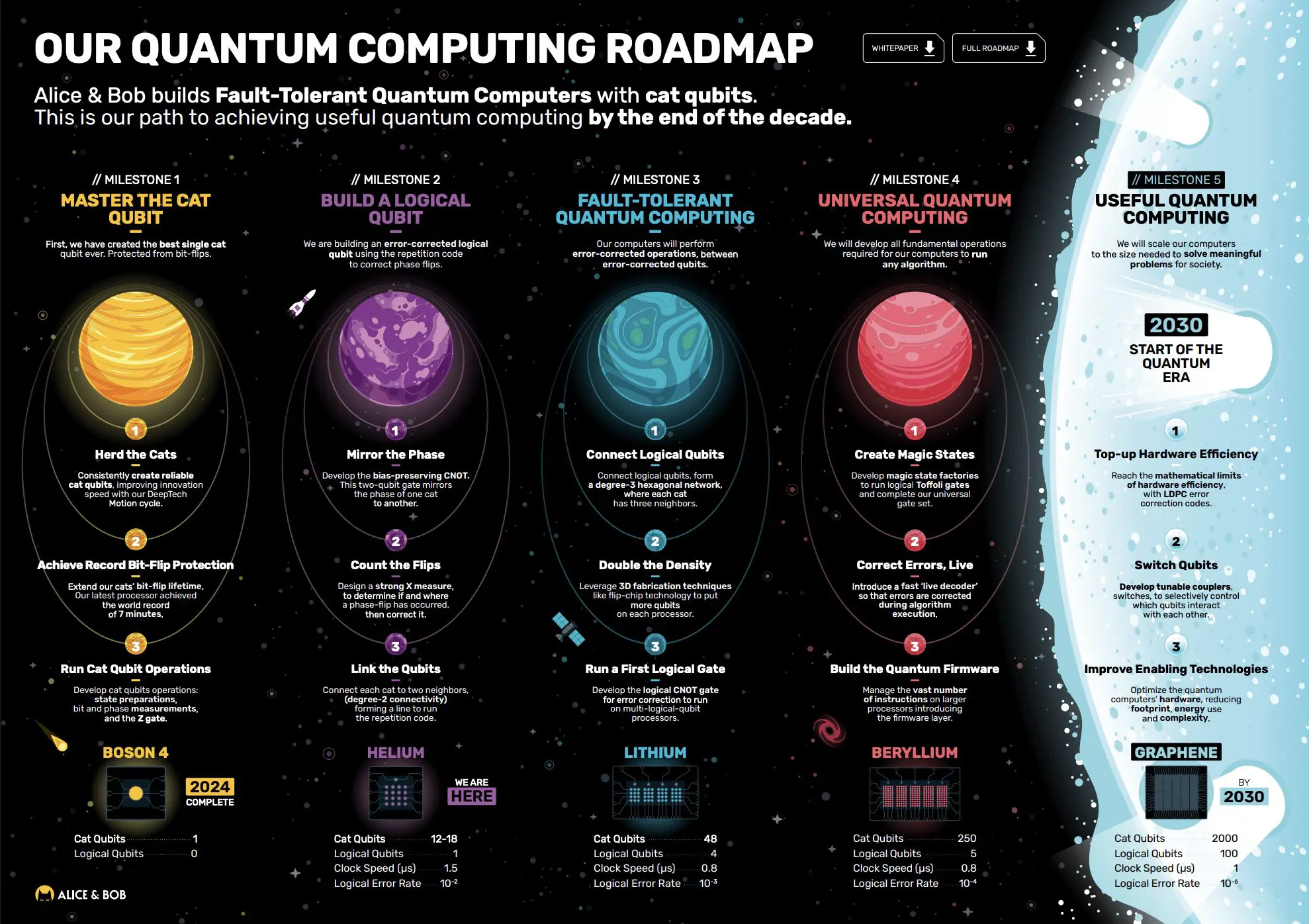
The future of quantum computing in high-performance computing depends not on delivering qubits, but on building a complete software ecosystem, according to a new report from Alice & Bob and Hyperion Research. Informed by fifteen interviews with practitioners at leading supercomputing institutions across Europe, APAC, and the US, including Argonne National Laboratory and RIKEN, the report reveals a shift in focus within the HPC community.
“As quantum hardware has progressed, the conversation in HPC is shifting from whether qubits will be delivered to how to get the most from them,” says Juliette Peyronnet, GM US, Alice & Bob, highlighting concerns that an immature software stack could erode trust in quantum computing for years to come.
HPC-Quantum-AI Readiness: Insights from Supercomputing Institutions
Supercomputing institutions are increasingly focused on maximizing the utility of delivered qubits, rather than simply achieving higher qubit counts. A key finding centers on latency tolerance; how tightly quantum compute must couple with classical and AI systems depends directly on a workload’s ability to withstand delays, a factor that can only be determined through measurement, not theoretical modeling.
Hyperion Research’s SVP of Research, Bob Sorensen, noted the report’s timely release, stating HPC end users are actively seeking guidance on integrating quantum power into existing and future computing ecosystems. The report urges quantum vendors and HPC centers to establish open standards for device management and job submission, while allowing competition in areas like compilers and programming models.
Successful integration, the report argues, will require co-design efforts between HPC, AI experts, and quantum vendors, citing a quantum chemistry workflow with the potential for a 10,000-fold speed-up as an example. The first fault-tolerant machines, according to the analysis, will likely be deployed while institutions are already building the necessary operational readiness and expertise. “HPC-Quantum-AI: Shaping the Next Compute Era” is the second in a series.
The report cites an example of a quantum chemistry workflow targeting a 10,000-fold speed-up.


See today’s quantum computing news on Quantum Zeitgeist for the latest breakthroughs in qubits, hardware, algorithms, and industry deals.