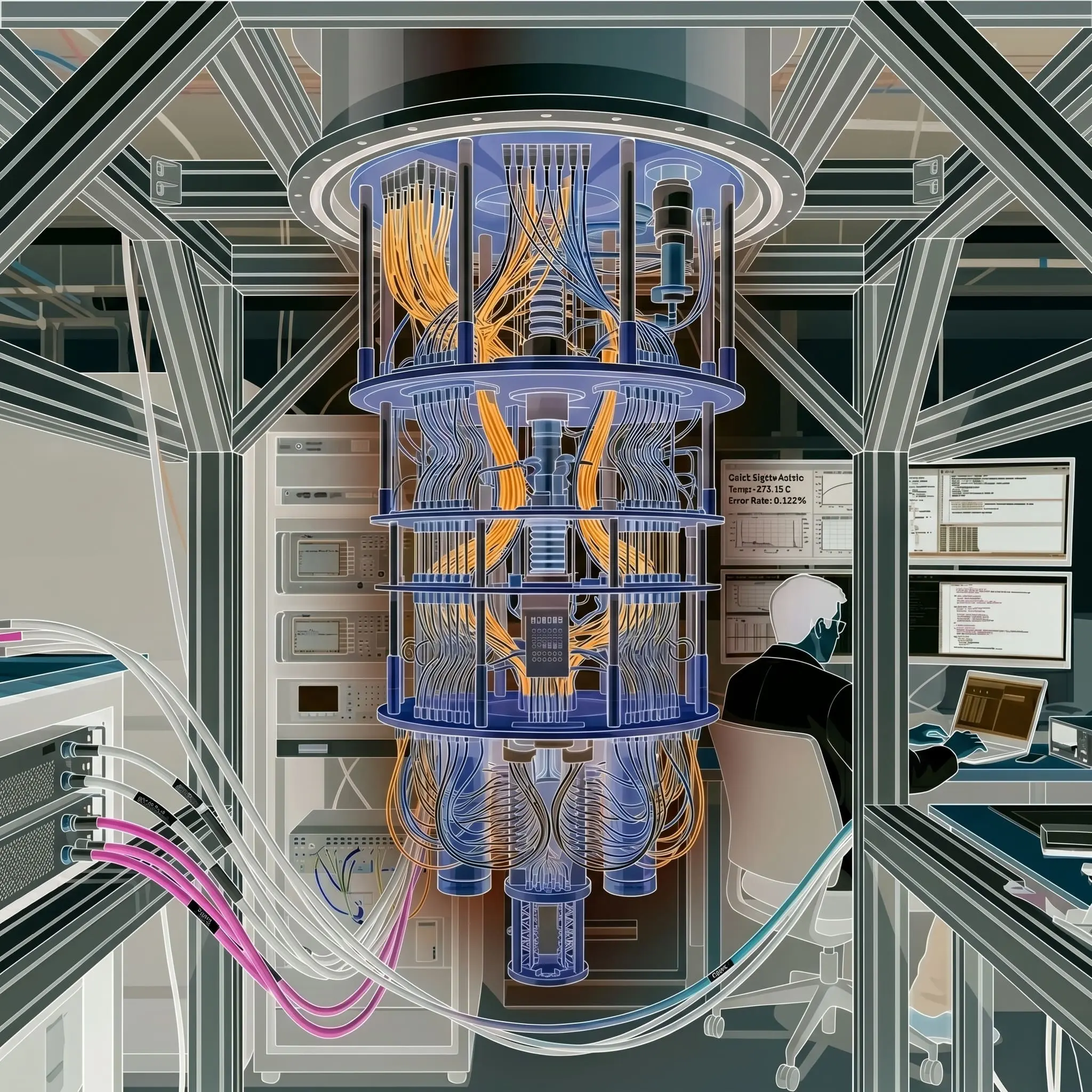
Welcome to this week’s quantum technology digest. This collection summarizes ten recent developments across the field, from hardware advancements to key business milestones and emerging security measures. The past week demonstrates continued and diverse progress in building practical quantum computers and preparing for a post-quantum world.
Investment and commercialization remain prominent themes. IBM’s substantial $10 billion commitment, alongside the public trading of Quantinuum and funding rounds for IQM and OQC, signal growing confidence in the sector’s long-term viability. Multiple teams, IonQ, Atom Computing, and Microsoft, reported progress on error correction, a critical challenge for building stable quantum systems.
This week also saw increased access to quantum hardware via Amazon Braket, with the addition of Rigetti’s 108-qubit processor. Microsoft is actively integrating post-quantum cryptography into its Windows services, reflecting a proactive approach to future-proofing digital infrastructure. Taken together, these articles illustrate a maturing field moving beyond research and toward real-world application.
1. IBM Invests $10 Billion to Accelerate Quantum Computing Development
 Quantum Computing Development”>
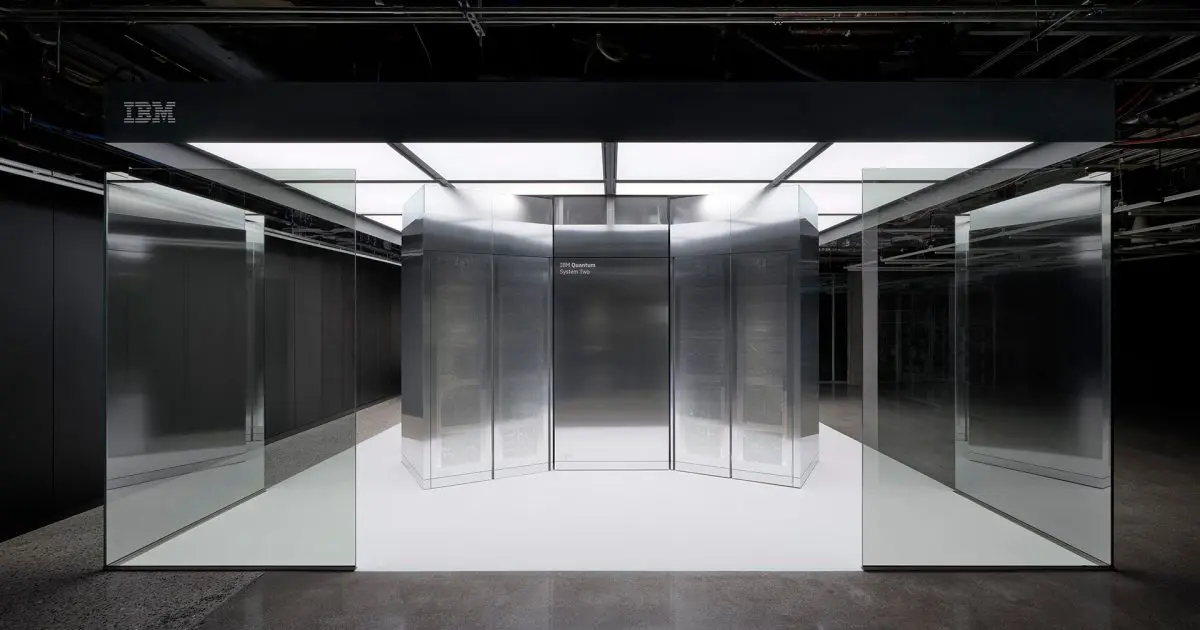
IBM is investing $10 billion over five years to advance quantum computing research, manufacturing, and ecosystem development. The funding will focus on building fault-tolerant quantum computers, with goals including systems capable of one billion quantum operations using 2,000 qubits. Key hardware developments include the Starling and Blue Jay systems, alongside continued support for the Qiskit software platform and IBM’s global quantum computer fleet. This investment aims to strengthen U.S. leadership and expand access to quantum technology for over 340 organizations.
2. IonQ Demonstrates Quantum Error Correction Exceeds Physical Qubit Lifetimes

IonQ has demonstrated that its error-corrected qubits now outperform the raw physical qubits they are built from, a key milestone for practical quantum computing. Using a 40-ion system, the team tested nine distinct error-correcting codes, including qLDPC and toric codes, and achieved logical qubit lifetimes comparable to, and in some cases exceeding, 1.1 seconds for the physical qubits. This improvement stems from a new optical architecture minimizing qubit movement and maximizing measurement efficiency. It represents a significant step towards building stable, fault-tolerant quantum computers.
3. Atom Computing Demonstrates Repeatable Error Correction in Neutral Atom Quantum Computer
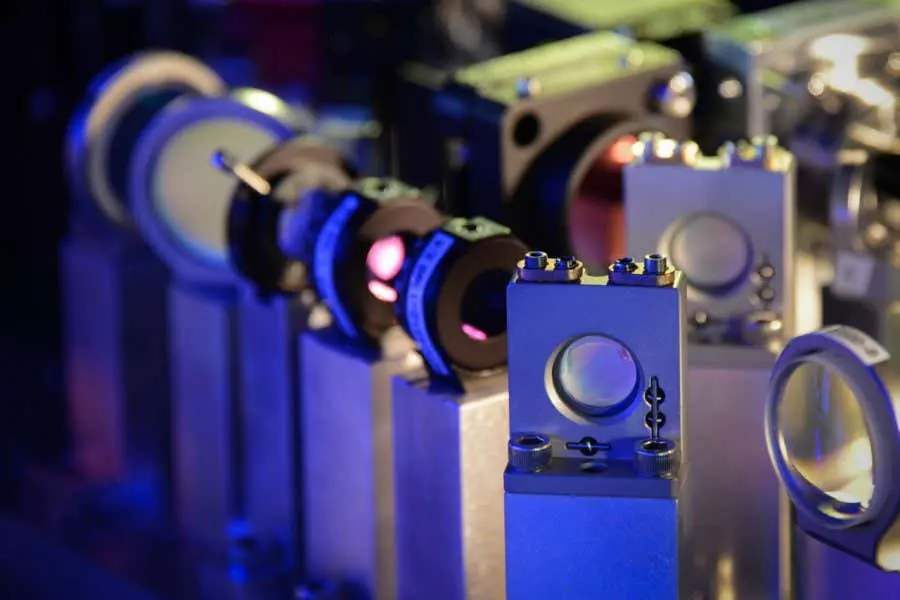
Atom Computing, led by Ben Bloom, achieved repeatable error correction in a quantum computer built with neutral atoms. This system consistently identified and corrected computational errors over 90 cycles, a key advance over previous demonstrations. The achievement positions neutral-atom technology as a strong competitor to superconducting circuits currently favored by Google and IBM. This sustained error checking moves the field closer to building stable, powerful quantum computers for applications like materials science and drug discovery.
4. Quantinuum Publicly Traded After Successful IPO, Valued at $17.6 Billion
Quantinuum, formed by the merger of Honeywell Quantum Solutions and Cambridge Quantum Computing, began trading on the Nasdaq following an initial public offering that raised approximately $1.68 billion. The company, specializing in trapped-ion technology and employing over 500 people, including more than 370 scientists and engineers, achieves high two-qubit gate fidelity and supports applications in fields like finance and pharmaceuticals. Initially priced at $8.00 per share for a $10 billion valuation, Quantinuum’s stock traded at around $17.6 billion on its first day; the IPO was heavily oversubscribed by institutional investors. The capital will fund platform expansion and global deployment.
5. D-Wave Pursues 100 Logical Qubits with Error-Correcting Architecture
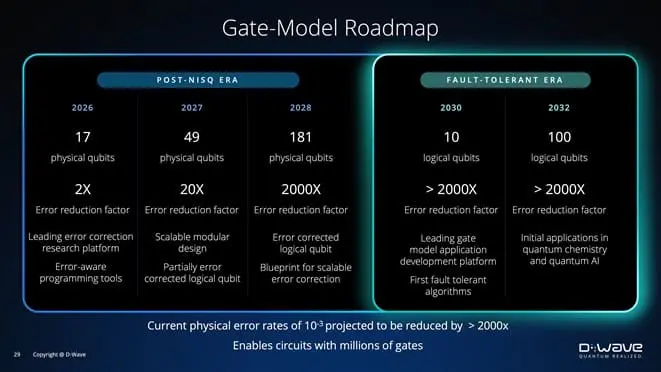
D-Wave Quantum Inc. aims to achieve 100 logical qubits capable of over 1 million operations, prioritizing error correction over simply increasing qubit count. The company is developing a superconducting dual-rail architecture that embeds error detection directly into each qubit, identifying around 90% of errors during computation. D-Wave has already demonstrated 99.9% two-qubit fidelities and is targeting a Lambda value of 10, a metric for error reduction, significantly exceeding the current industry average. This approach focuses on building usable qubits for near-term quantum chemistry and AI applications.
6. Microsoft Adds Post-Quantum Encryption to Windows Certificate Services
Microsoft is now generating post-quantum certificates through Windows Active Directory Certificate Services (ADCS). This integration extends quantum-safe cryptography beyond APIs and algorithms, directly into a core Windows component securing billions of connections. The move addresses “Harvest Now, Decrypt Later” attacks by utilizing PQ TLS hybrid key exchange combining existing methods with the NIST ML-KEM algorithm. IT administrators can configure these options using standard Windows tools, and the feature is currently in preview for Windows 11 and Server.
7. Microsoft’s Majorana 2 Achieves 1,000x Qubit Improvement with AI
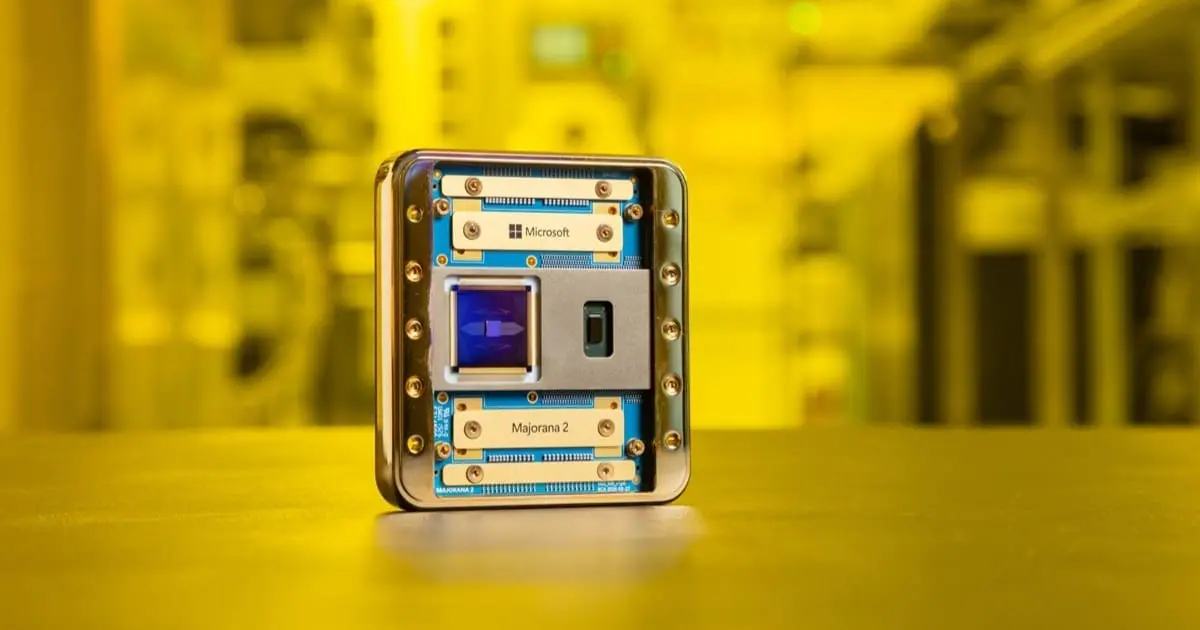
Microsoft announced Majorana 2, a new quantum chip demonstrating a 1,000-fold increase in qubit reliability. The chip achieves a mean qubit lifetime of 20 seconds, with some qubits holding state for a full minute, thanks to a redesign utilizing lead and the application of Microsoft’s agentic AI platform, Microsoft Discovery. This improvement in stability, facilitated by AI-driven materials research and process management, has allowed Microsoft to halve its projected timeline for a scalable quantum computer to 2028. The advance addresses a key limitation in quantum computing: maintaining qubit coherence for complex calculations.
8. IQM Valued at $1.8B Ahead of Nasdaq & Helsinki Listings
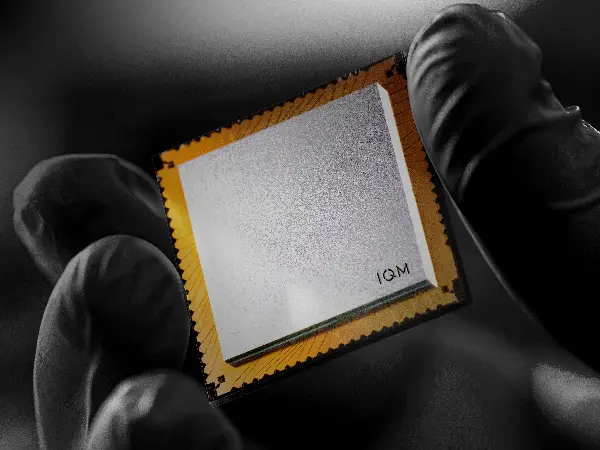
IQM Quantum Computers secured $146 million in PIPE financing, including a new investment from Ilmarinen, valuing the company at $1.8 billion premoney. The Finnish firm currently generates $36 million in revenue, demonstrating early commercial success in quantum computing. This funding will support IQM’s development of fault-tolerant quantum computers and scale its vertically integrated, full-stack system production. Real Asset Acquisition Corp plans to complete a dual listing of IQM on Nasdaq and the Helsinki Stock Exchange.
9. Amazon Braket Adds Rigetti’s 108-Qubit Processor, Expanding Quantum Access
Rigetti Computing has launched its 108-qubit Cepheus-1-108Q processor on Amazon Braket, marking the first time a gate-based quantum computer with over 100 qubits is available through the service. The new system utilizes a modular, multi-chip architecture with twelve 9-qubit chiplets and features improved CZ gates designed for error correction. Amazon Braket customers can access the processor on-demand, through priority hybrid jobs, or with dedicated reservations, alongside detailed performance data to optimize qubit selection. This upgrade expands the complexity of computations researchers and developers can explore.
10. OQC Secures $325M Funding to Expand Quantum Computing Infrastructure
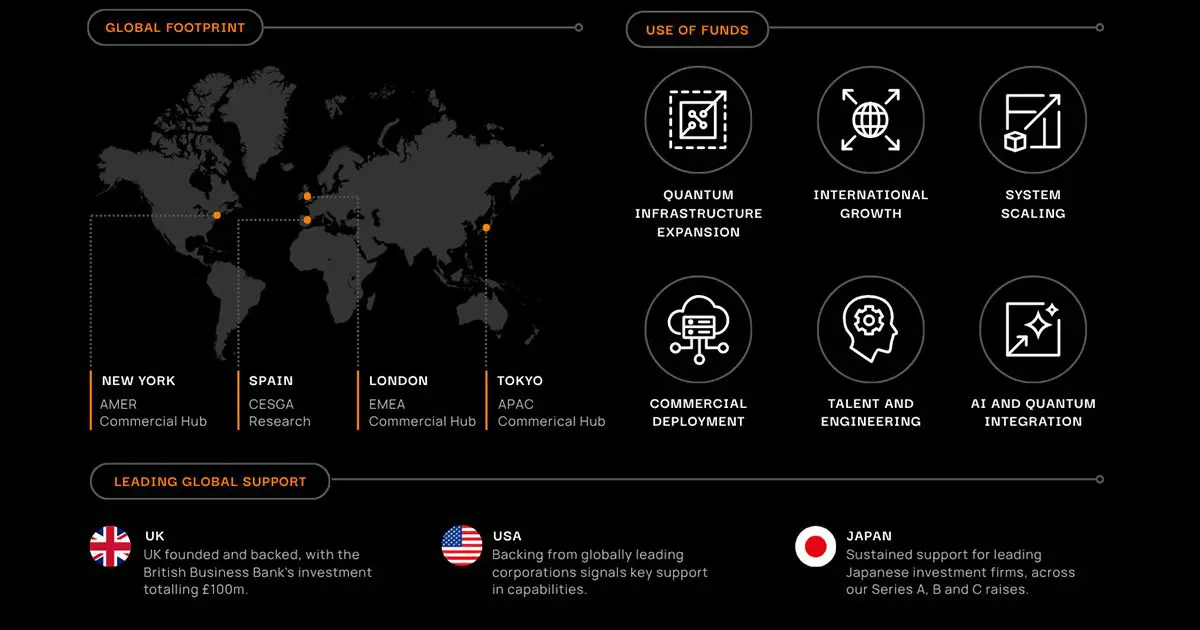
Oxford Quantum Circuits (OQC) received £260 million (approximately $325 million USD) in a Series C funding round led by Bullhound Capital. This is the largest funding round to date for a European quantum computing company, signaling a move toward scalable quantum infrastructure. OQC plans to use the investment to expand its global presence, accelerate technology development, and deliver quantum computing capabilities directly into commercial data centers. Investors also include energy company Chevron, demonstrating growing interest in quantum computing’s applications across industries.




See today’s quantum computing news on Quantum Zeitgeist for the latest breakthroughs in qubits, hardware, algorithms, and industry deals.