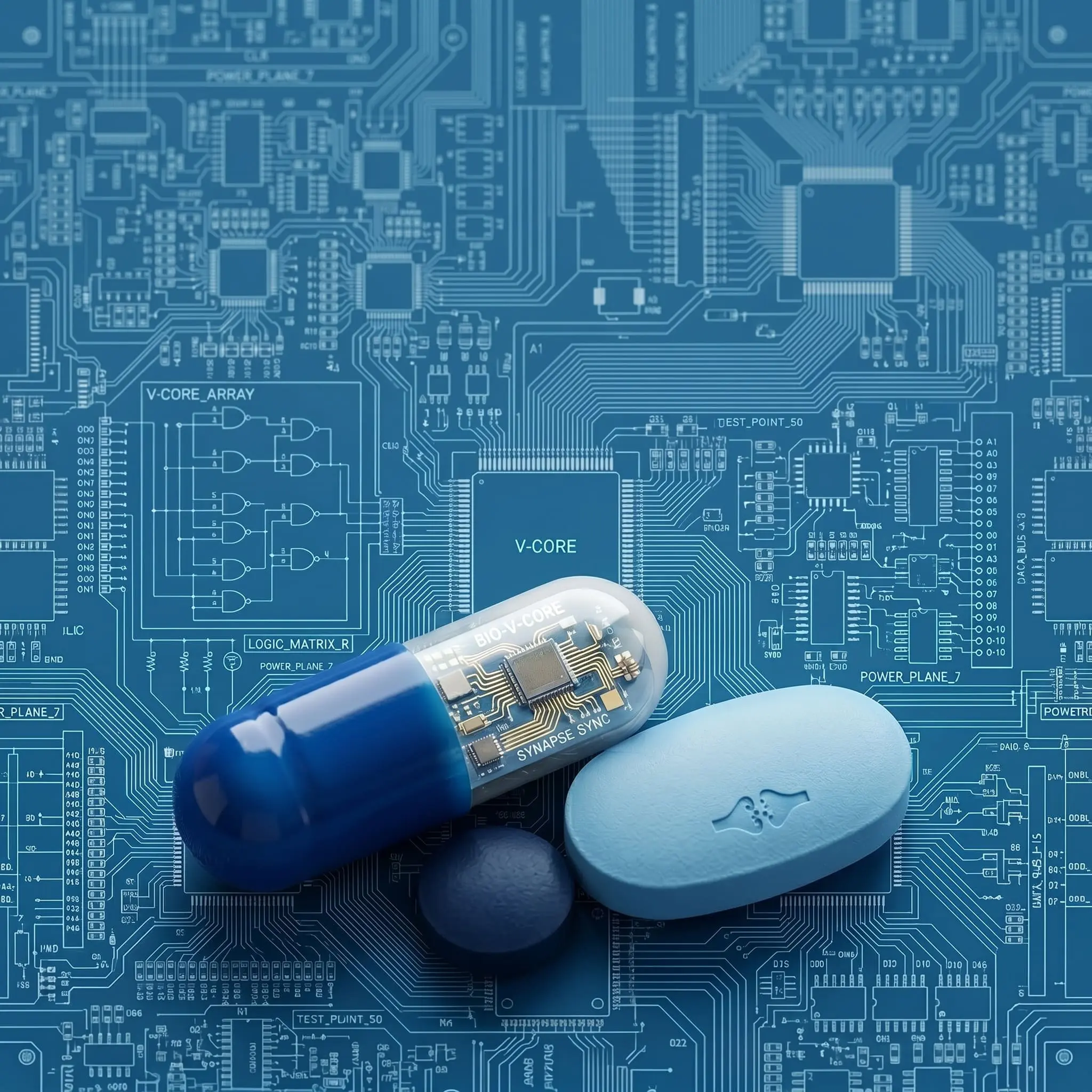
GlaxoSmithKline is simultaneously exploring the potential of quantum computing to accelerate drug discovery and fortifying its defenses against the cyber security risks the technology introduces. The pharmaceutical company recognizes that the same advances promising to identify novel compounds and optimize clinical trial design also threaten the cryptographic foundations of secure digital communication. At its core, modern cryptography, ensuring confidentiality, integrity, authentication, and non-repudiation, could be challenged by the development of sufficiently powerful quantum computers. GSK states that a proactive approach is essential to protect sensitive research and patient data against future decryption, even from data captured.
Shor’s and Grover’s Algorithms Threaten Current Cryptography
The established mathematical underpinnings of digital security face an emerging threat from quantum computing, specifically through algorithms like Shor’s and Grover’s. While fully functional Cryptographically Relevant Quantum Computers (CRQC) do not yet exist at scale, the theoretical groundwork to compromise current encryption standards has already been laid. These algorithms present a future risk to the confidentiality, integrity, authentication, and non-repudiation that safeguard online communications, extending far beyond simple data breaches to the very principles of secure digital interaction. The core vulnerability stems from the potential for quantum computers to break widely used cryptographic methods.
Organizations are now facing the prospect of “harvest now, decrypt later” attacks, where encrypted data is intercepted and stored with the intention of future decryption once quantum capabilities mature; for GSK, this is a driving force in its proactive approach to addressing this threat. This is particularly concerning given the long-term security requirements for sensitive scientific data and patient information. Cryptography’s inherent invisibility within most organizations presents a challenge; when changes are needed, this lack of visibility creates architectural opacity, introducing complexity and limiting visibility into where and how cryptography is implemented. GSK is responding with a phased, risk-based strategy, evaluating quantum-resistant algorithms and developing repeatable implementation approaches.
This isn’t simply about mitigating risk, but about building the ability to adapt cryptographic controls quickly as technologies and threats evolve. “Cryptography has continually evolved, and algorithms do not have an indefinite lifespan,” and GSK aims to achieve the capability to adapt to future developments, ensuring long-term data confidentiality and a secure operating environment.
GSK’s Phased Strategy for Post-Quantum Transition
GSK recognizes that proactive cybersecurity measures must evolve alongside scientific advancements, particularly with the emergence of quantum computing. The company isn’t solely focused on mitigating a future threat, but simultaneously building the capacity to leverage quantum technologies for drug discovery, molecular modelling, and optimization. This dual approach acknowledges the potential for quantum computers to both accelerate research, identifying novel compounds and refining clinical trial designs, and compromise existing cryptographic safeguards. The company’s transition to post-quantum cryptography is structured as a phased, risk-based strategy, beginning with the evaluation of quantum-resistant algorithms and pinpointing critical applications for initial implementation. GSK understands that cryptographic agility, the ability to swiftly adapt and update security controls, is paramount, reducing the need for extensive overhauls in the future and ensuring sustained system security.
This agility is particularly crucial given the inherent lack of visibility within the organization, where the complex implementation of cryptography can limit visibility and complicate necessary changes. GSK’s long-term commitments extend beyond immediate security concerns, encompassing the need to protect patient data, clinical research, and intellectual property for decades to come. The company is also responding to evolving regulatory expectations as governments and standards bodies establish timelines for transitioning to quantum-safe cryptography.
Crypto-Agility Strengthens Cyber Resilience and Partnerships
GSK’s commitment to future-proof cybersecurity extends beyond simply anticipating quantum threats; the organization is actively building resilience through a concept termed crypto-agility. This proactive stance acknowledges that cryptographic standards are not static, and algorithms possess a finite lifespan, necessitating a dynamic approach to data protection. Rather than viewing post-quantum cryptography as a singular migration, GSK aims to establish the capability to swiftly adapt cryptographic controls as new technologies and vulnerabilities emerge, minimizing disruptive overhauls in the future. By prioritizing early preparation, GSK intends to safeguard long-term data confidentiality and ensure operational security in a landscape increasingly shaped by quantum technologies. GSK’s investment in quantum readiness strengthens its collaborative relationships within the healthcare ecosystem. Protecting sensitive information, ranging from patient records to cutting-edge research, is paramount to maintaining trust with regulators, research institutions, suppliers, and technology providers. “By investing in quantum readiness today, we are demonstrating our commitment to strong data stewardship and to maintaining the highest standards of security,” which highlights GSK’s dedication to responsible data handling and long-term partnership viability.
Protecting sensitive data – from patient information to scientific research – is fundamental to these relationships. By investing in quantum readiness today, we are demonstrating our commitment to strong data stewardship and to maintaining the highest standards of security.
GSK
Long-Term Data Security Drives Proactive Preparation
Beyond the immediate threat of data breaches, GlaxoSmithKline recognizes the enduring implications of quantum computing for long-term data security, particularly concerning the longevity of sensitive information. Unlike typical cybersecurity challenges demanding short-term fixes, the pharmaceutical industry operates on timelines measured in decades; ensuring the confidentiality of clinical trial results, patient data, and proprietary research requires a fundamentally different approach to cryptographic resilience. The company is actively addressing the potential for a “harvest now, decrypt later” scenario, where adversaries capture encrypted data intending to unlock it with future quantum capabilities. GSK’s strategy isn’t solely defensive, however, but a carefully balanced exploration of quantum computing’s potential benefits alongside its risks. The same computational power that could compromise existing encryption also promises to revolutionize drug discovery, molecular modeling, and clinical trial optimization. This duality necessitates a proactive stance, building capabilities to both leverage and defend against the technology, and the organization’s complex structure and deeply embedded cryptographic systems demand careful planning, testing, and coordination.




See today’s quantum computing news on Quantum Zeitgeist for the latest breakthroughs in qubits, hardware, algorithms, and industry deals.