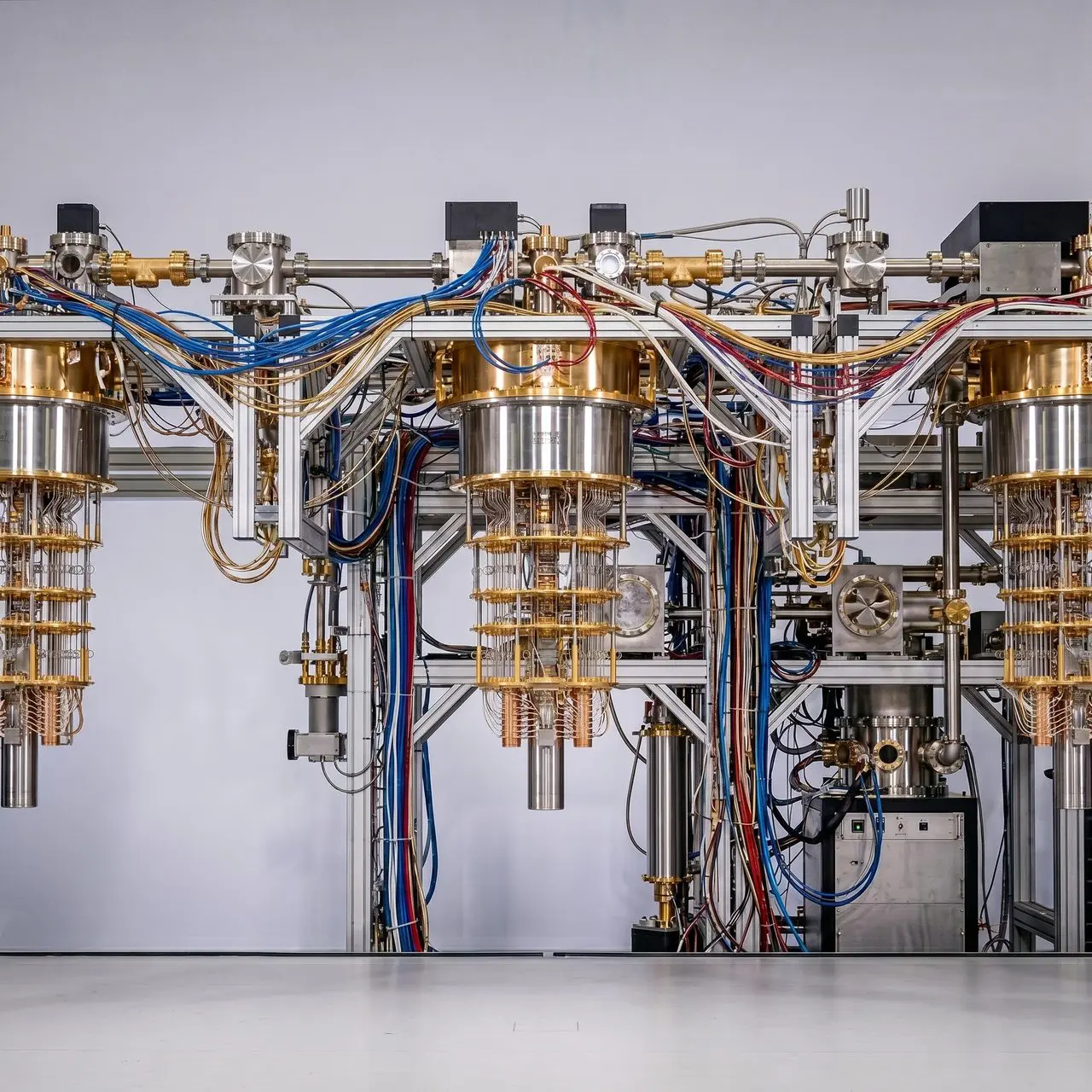
Quantinuum’s initial public offering and a recent £260 million funding round for OQC signal a shift for quantum computing, moving the sector beyond research and toward practical infrastructure. OQC chief executive Gerald Mullally highlighted how this public market activity is “helping to build investor confidence” and demonstrating viable scaling pathways for private companies. The substantial capital infusion gives OQC the ability to expand its technology and build secure, scalable quantum infrastructure for customers. Mullally describes this as a wider shift, recognizing quantum computing as critical infrastructure for enterprise, government and national capability.
OQC’s £260 Million Funding Fuels Infrastructure Expansion
OQC secured substantial funding with a recently completed £260 million Series C funding round, positioning the company for accelerated expansion and technology development. This infusion allows OQC to broaden its international presence and construct secure, scalable quantum infrastructure tailored to customer demands, the company says. OQC’s financial position establishes it as one of the world’s best-capitalized private quantum computing companies, suggesting potential for future consolidation or an initial public offering as the market matures.
The funding will directly support OQC’s technology roadmap, enabling the company to advance its quantum processors and software platforms. Mullally emphasized the company’s customer focus and global ambitions, indicating a strategy to actively shape the next phase of the quantum industry through both technological innovation and strategic partnerships.




See today’s quantum computing news on Quantum Zeitgeist for the latest breakthroughs in qubits, hardware, algorithms, and industry deals.