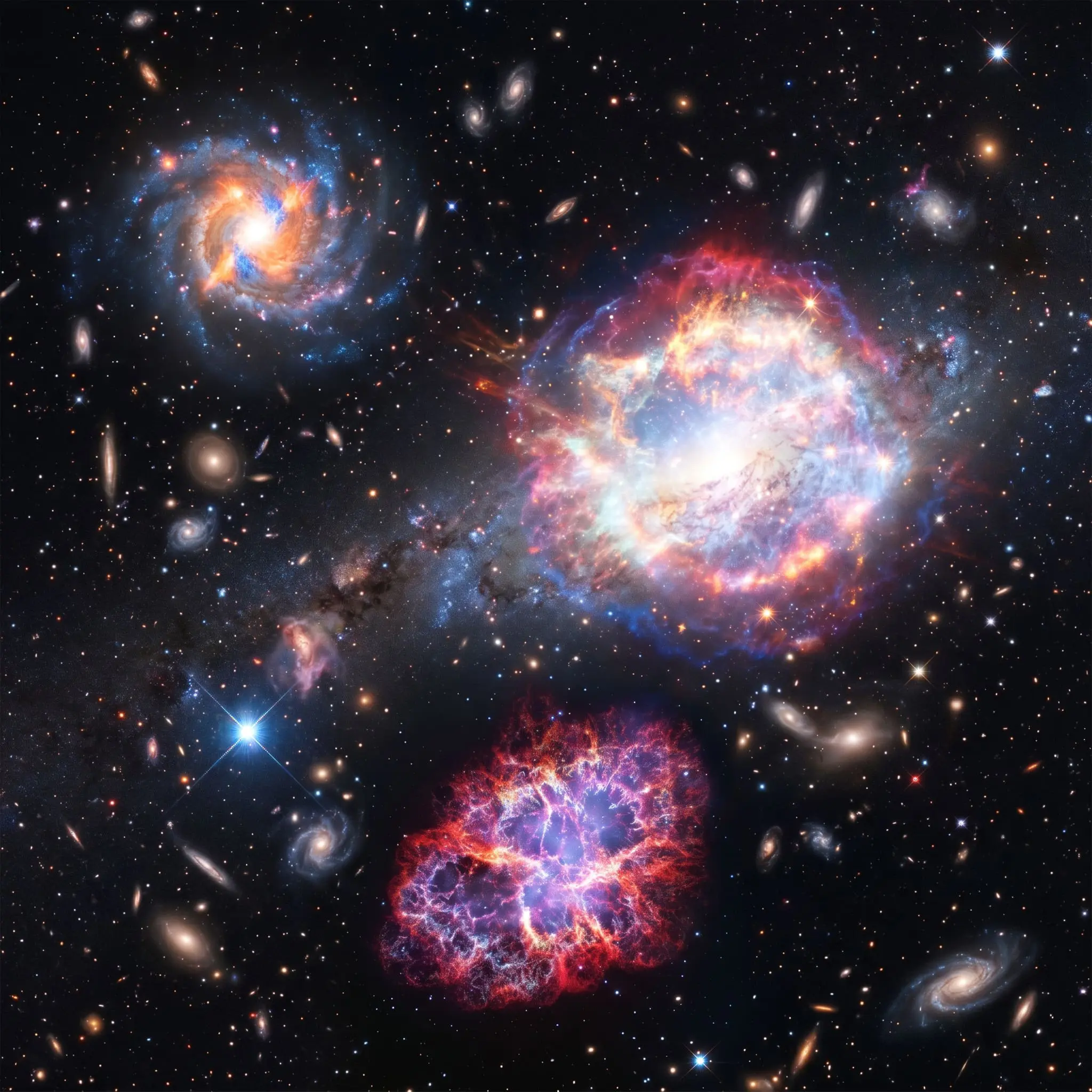
An analysis of data from RCW 86, the oldest documented supernova observed through the combined lens of four space telescopes, has reaffirmed that the universe’s expansion is accelerating, dismissing recent challenges to the widely-accepted cosmological theory. The international team of astrophysicists directly rebutted a study published last year which claimed the universe’s growth was slowing due to weakening dark energy. The researchers found the previous findings incorrectly assumed the age of a galaxy was the same as the age of the star that exploded. The experts also said the South Korean paper failed to account for the mass of host galaxies, a standard correction used in modern cosmology to ensure accuracy. Among the researchers are two Nobel Laureates, including Professor Adam Riess, who stated that extraordinary claims require especially careful testing after identifying errors in the previous study’s age estimations of exploding stars. Lead author Dr. Phil Wiseman, from the University of Southampton, confirmed that the previous measurements were accurate and our current understanding of the fate of the universe remains robust.
Type Ia Supernovae Reveal Accelerating Universe Expansion
RCW 86, the oldest documented supernova remnant, played a crucial role in reaffirming the accelerating expansion of the universe; data from four space telescopes were combined to analyze its multi-wavelength characteristics, providing a robust foundation for the latest findings. This paper, published in Monthly Notices of the Royal Astronomical Society, is a direct rebuttal of a study claiming deceleration. The researchers found the previous findings incorrectly assumed the age of a galaxy was the same as the age of the star that exploded, and the experts also said the South Korean paper failed to account for the mass of host galaxies, a standard correction used in modern cosmology to ensure accuracy. Wiseman added that the team’s work provides a stronger basis for understanding the universe’s expansion.
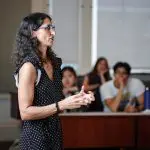
This was a good opportunity to go back and go over all of our assumptions – it turns out, yes, we do understand this stuff and we’re accounting for it in our cosmology measurement.
Dr Brodie Popovic
South Korean Study’s Deceleration Claim Refuted
The prevailing cosmological model, which posits an accelerating expansion of the universe driven by dark energy, received robust confirmation from an international team of astrophysicists, effectively dismissing recent challenges to its validity. This confirmation arrives after a study published last year by South Korean researchers suggested the universe’s expansion might be slowing, a claim that prompted considerable debate within the scientific community. Researchers identified an error in the South Korean team’s age estimation of the supernovae, noting they incorrectly assumed the age of a galaxy was the same as the age of the exploding star. The experts also said the South Korean paper failed to account for the mass of host galaxies, a standard correction used in modern cosmology to ensure accuracy. Phil Wiseman of the University of Southampton explained the findings. The team’s findings allow scientists to refocus on understanding the nature of dark energy itself, rather than questioning its existence, and Professor Mark Sullivan noted that challenging accepted theories is fundamental to scientific progress.
We’ve recently been really focused on astrophysics of the explosions and how they impact cosmology,” he said.
Dr Brodie Popovic
Error in Stellar Age Estimation Impacts Cosmology
The team discovered the previous analysis incorrectly equated the age of a host galaxy with the age of the exploding star within it, a critical oversight in cosmological calculations. They also found the previous findings incorrectly assumed the age of a galaxy was the same as the age of the star that exploded, and the experts said the South Korean paper failed to account for the mass of host galaxies, a standard correction used in modern cosmology to ensure accuracy. This meticulous review wasn’t simply damage control; Professor Mark Sullivan, also at the University of Southampton, emphasized that challenging established theories is integral to scientific progress, stating, “This is how progress is made,” and adding that the investigation spurred new approaches to understanding supernova explosions and refining dark energy measurements. Professor Riess underscored the importance of rigorous testing, stating, “Extraordinary claims require especially careful testing,” before affirming the continued validity of the accelerating universe model.
This is how progress is made. Although this idea did not turn out to be correct, it has opened up new ways of thinking about how supernovae explode and how we can measure dark energy more accurately,” he added.
Professor Mark Sullivan, also from the University of Southampton
Nobel Laureates Confirm Robustness of Dark Energy Theory
The accelerating expansion of the universe remains firmly established, according to a new analysis led by researchers at the University of Southampton and bolstered by the expertise of two Nobel Laureates; the findings directly address claims made last year that the cosmos’s expansion was actually slowing. This detailed, multi-wavelength view allowed for a rigorous re-evaluation of existing data and a rebuttal of the South Korean team’s earlier conclusions. The team’s work ensures the foundation of modern cosmology remains secure, allowing continued investigation into the mysterious force driving the universe’s expansion.
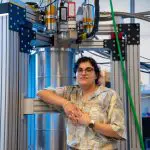
The previous and well accepted measurements were, in fact, fine and our current understanding of the fate of the universe remains robust.
Dr Phil Wiseman, from the University of Southampton

See today’s quantum computing news on Quantum Zeitgeist for the latest breakthroughs in qubits, hardware, algorithms, and industry deals.