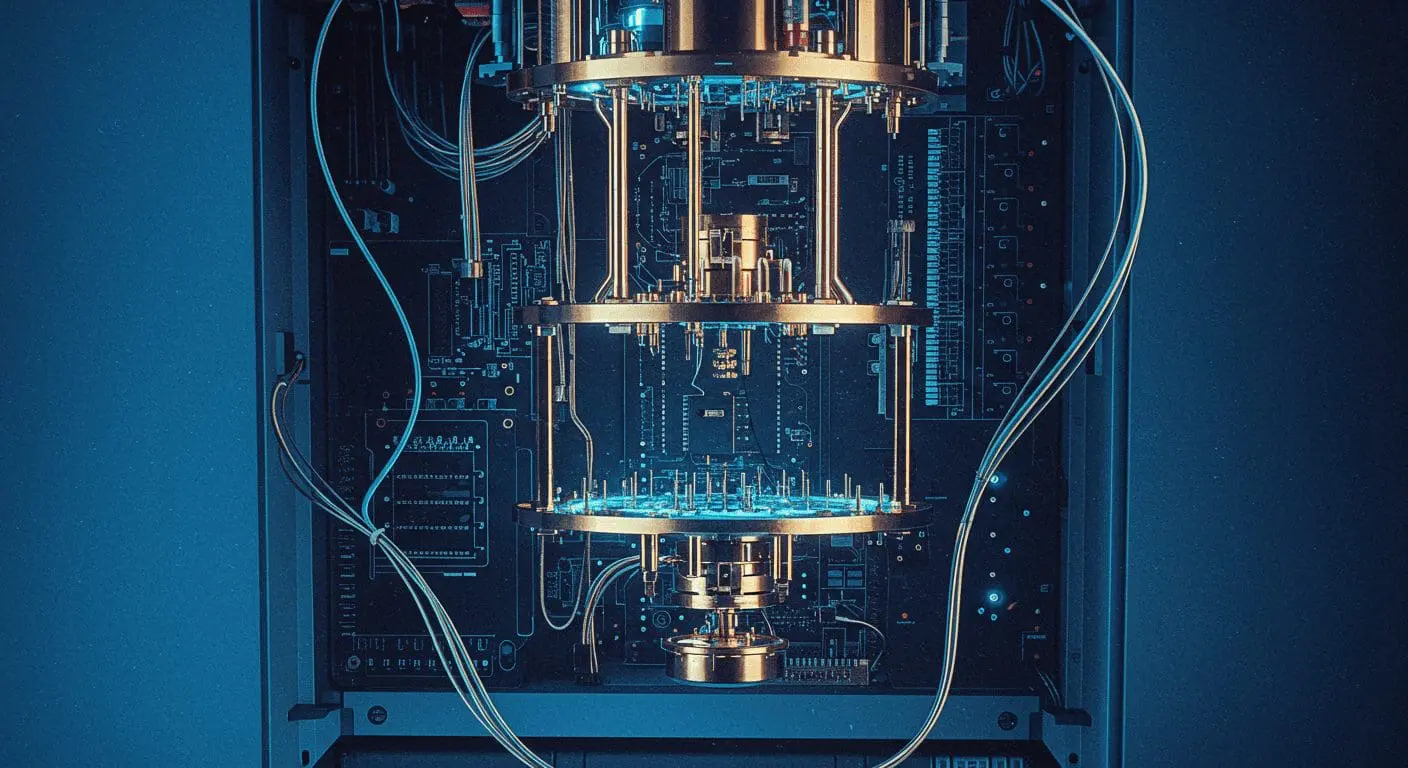
Massachusetts Governor Maura Healey joined MIT President Sally Kornbluth in announcing the establishment of the Quantum Systems Laboratory at MIT, a move signaling substantial state-level investment in bolstering quantum technology development beyond traditional academic research. The new facility aims to amplify Greater Boston’s existing position as having the greatest concentration of quantum talent in the world and serve as a collaborative hub for government, academic, and industry researchers. The lab will connect a quantum computer with essential components for scalability, addressing real-world challenges across diverse fields. “This is good news for MIT, good news for Massachusetts, and frankly, good news for the world that we’re working together to make this happen,” Healey said, highlighting the anticipated scientific progress and economic growth the laboratory will foster.
Quantum Systems Laboratory to Catalyze Regional Innovation
Governor Maura Healey and MIT President Sally Kornbluth jointly announced the initiative, signaling a substantial commitment from the state; a 25 million investment will match federal funding already allocated to quantum research. This financial backing underscores a strategic decision to move beyond purely academic exploration and actively foster commercial applications of quantum technologies. Located in MIT’s Building 39, the QSL will be open to researchers from across academia and industry, extending access beyond MIT’s internal network. This collaborative approach is further emphasized by plans to mobilize talent from institutions like the University of Massachusetts and Harvard. Governor Healey highlighted the anticipated economic impact, stating that the Quantum Systems Laboratory will be a center for the shared study and development of quantum science and technology. Construction of the facility is projected to create over 150 on-site jobs, with an additional 75 to 100 positions throughout the Commonwealth supporting the project, solidifying the region’s position in the rapidly evolving quantum field.
State and Federal Funding Enables QSL Construction
A 25 million investment from the Commonwealth will directly match existing federal funding allocated to quantum research already underway at MIT, enabling construction to begin as early as this summer. This financial infusion builds upon MIT’s own contributions and philanthropic support from Thomas Tull, demonstrating a multi-faceted approach to bolstering quantum infrastructure. “This is a hub to make Massachusetts the center of the world for quantum,” Kornbluth stated, emphasizing the intention to mobilize talent throughout the region. The lab’s design reflects a broader mission to deliver scientific, workforce, and economic benefits to the public, particularly within the life sciences and defense sectors, which contribute 50 billion to the local economy.
The return on investment is clear: We know the Quantum Systems Laboratory will be a first-of-its-kind center for the shared study and development of quantum science and technology.
QSL Facility Complements Existing MIT Quantum Resources
Beyond housing a quantum computer, the QSL will focus on providing the peripheral hardware such as sensors and quantum interconnects necessary for scalable, practical applications of the technology. This new laboratory will function alongside established MIT facilities like MIT.nano and the Lincoln Laboratory’s SQUILL foundry, all sharing a common goal of democratizing access to advanced quantum resources. President Kornbluth emphasized this collaborative spirit, stating that, just as MIT.nano is a facility for all, many people from beyond MIT will come to use this equipment at QSL. Governor Healey framed the QSL as more than just a scientific endeavor, noting the potential for both scientific progress and economic growth. The lab is envisioned as a catalyst for startups and academic ventures, building on MIT’s already substantial entrepreneurial impact; alumni entrepreneurs have created over 30,000 active companies, generating 1.9 trillion in annual revenue as of the latest data.
Quantum technologies have the potential to drive transformative change in fields from computing, security, and navigation to health sciences, defense technologies, and space exploration.
Quantum Technologies Drive Economic and Workforce Growth
The newly announced Quantum Systems Laboratory at MIT is poised to significantly impact Massachusetts’ economic future, building upon an already robust concentration of quantum expertise. Governor Maura Healey’s joint announcement with MIT President Sally Kornbluth signals a commitment extending beyond academic investment, with a 25 million state contribution matching federal quantum research funds. This financial backing isn’t simply about advancing science; it’s about solidifying the region’s position as a national leader in a rapidly developing field with broad applications. This impact builds on MIT’s existing entrepreneurial strength; a report by Sloan Professors Edward Roberts and Fiona Murray revealed that Institute alumni have founded over 30,000 active companies, generating 1.9 trillion in annual revenue, a figure exceeding the GDP of the world’s 10th-largest economy as of the latest data.
This is good news for MIT, good news for Massachusetts, and frankly, good news for the world that we’re working together to make this happen.

See today’s quantum computing news on Quantum Zeitgeist for the latest breakthroughs in qubits, hardware, algorithms, and industry deals.