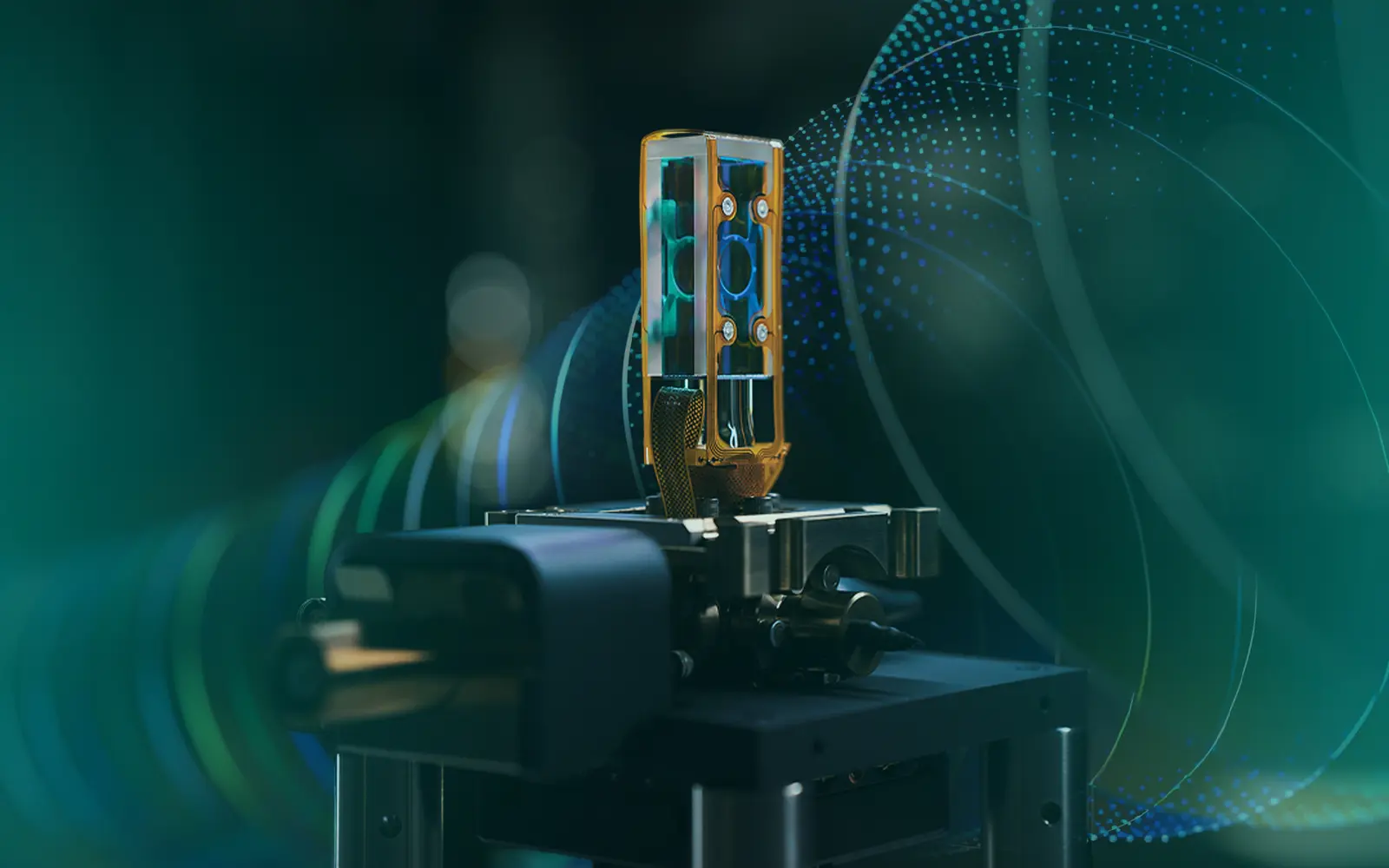
Infleqtion entangled 30 logical qubits using 80 physical qubits on its Sqale quantum computer, a milestone the company achieved ahead of its 2026 schedule, the company says. This demonstration of rapid progress in neutral atom quantum computing follows the December 2025 delivery of the U.K.’s first operational 100-physical-qubit computer to the National Quantum Computing Centre at Harwell. The advance has drawn attention from competitors. Google opened a neutral atom lab led by Harmut Neven after observing these gains in error correction, signaling a shift in industry focus toward the technology.
Sqale Achieves 30 Logical Qubits with 80 Atom Entanglement
Infleqtion’s Sqale computer arranged 80 atoms into ten blocks of eight, each block encoding three logical qubits to achieve entanglement of 30 logical qubits. This configuration allowed the team to entangle all 30 in a single quantum state, a process demanding precise control over atom positioning and light exposure, according to Infleqtion. The company spent over a decade building the specialized equipment necessary for this level of manipulation, a commitment reflected in the recent results.
The ability to encode quantum information across multiple physical qubits is central to error correction, and Infleqtion’s approach offers a distinct advantage in scalability. Unlike superconducting qubits which require complex fabrication of individual circuits, Sqale uses individual atoms as qubits. The company states that nature effectively manufactures the qubits themselves. This inherent simplicity contributes to the potential for building larger, more stable quantum processors.
Infleqtion’s next stated goal is to achieve 100 logical qubits by 2028, building on the momentum of this latest demonstration. As reported by Cade Metz in The New York Times, Neven’s decision stemmed from observing progress in error correction made by other teams, including Infleqtion.
Metz wrote that “What caught Neven’s attention was the progress other teams were making on error correction,” highlighting the significance of Infleqtion’s early lead in the field. Infleqtion’s work on Sqale builds on a foundation established over nearly 20 years, originating as ColdQuanta in 2007 and publicly previewing its neutral atom quantum computer in 2020.
Infleqtion’s Two-Decade Head Start in Neutral Atom Technology
Infleqtion’s sustained investment in neutral atom technology extends beyond quantum computing and shares a foundation with established sensing applications like atomic clocks. The company’s expertise in precisely controlling laser light to manipulate individual atoms, essential for maintaining accurate timekeeping, directly translates to controlling qubits on the Sqale computer.
This delivery preceded the 30-logical-qubit entanglement experiment, which saw a reduction of four gates needed per operation. Nicholas Thompson, CEO of The Atlantic, recently questioned whether a breakthrough with neutral atoms could “speed up progress in quantum computing,” a sentiment reflected in Infleqtion’s continued development of both quantum computing and sensing technologies.

See today’s quantum computing news on Quantum Zeitgeist for the latest breakthroughs in qubits, hardware, algorithms, and industry deals.