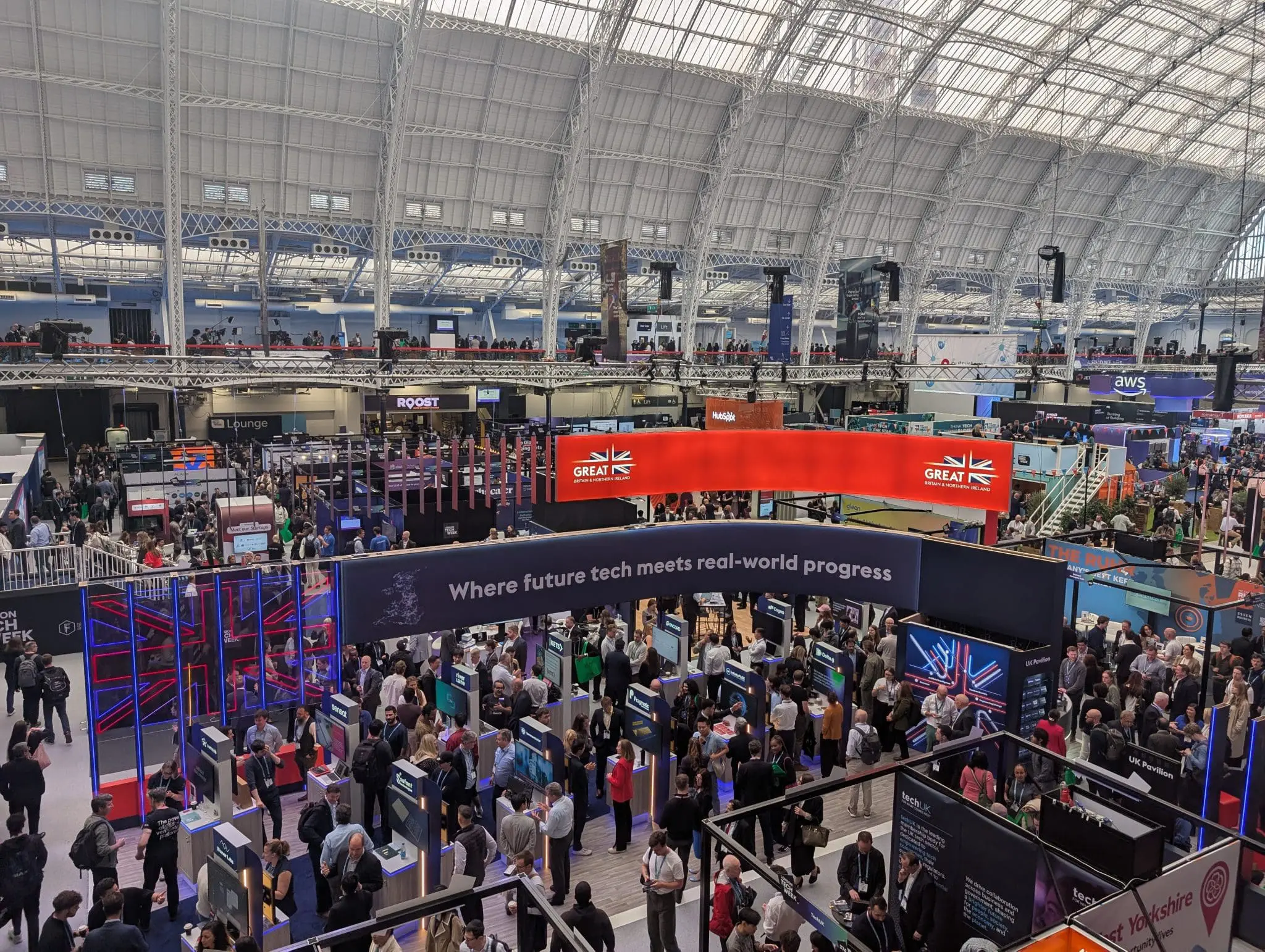
More than 1,250 semiconductor industry professionals, researchers, and technology leaders will gather in Grenoble, France from June 23-25 for CEA-Leti’s LID World Summit, with a key focus on the increasing urgency of cybersecurity in a post-quantum world. The event will feature Jean-Pierre Enguent, Chief Technology Officer of SEALSQ (NASDAQ: LAES), as a panelist discussing alongside representatives from Renault Group, Naval Group, CNES, and Enedis, highlighting the critical need for quantum migration across automotive, defense, space, and energy sectors. “SEALSQ recognized early that quantum computing would fundamentally reshape cybersecurity,” Enguent stated, emphasizing the company’s focus on delivering hardware-rooted, post-quantum cryptography solutions. The roundtable aims to address the challenges of securing critical infrastructure as the threat from quantum computing intensifies, positioning SEALSQ as a key player in enabling a secure transition for industries where security is paramount.
SEALSQ Participation in LID World Summit Cybersecurity Roundtable
He is scheduled to participate as a panelist in the “Navigating Cybersecurity Transitions: Industrial Views on Tech and Regulation” roundtable on Wednesday, June 24th, from 2:30-4:30 p. m. CET. As an early proponent of quantum-safe solutions, SEALSQ is positioned to share its strategy for mitigating the quantum threat through hardware-rooted security. Enguent will detail how the company is enabling migration for industries where data protection is paramount, and address the challenges of integrating artificial intelligence with post-quantum cryptography. He further explained that their strategy “has centered on delivering hardware-rooted, PQC-ready solutions that enable seamless migration for industries where security is non-negotiable.” The discussion will also cover the complexities of secure chip design, verification, and scalability in real-world deployments, as well as navigating new certification hurdles.
SEALSQ distinguishes itself as an early proponent of hardware-rooted post-quantum cryptography (PQC), a strategy designed to facilitate transitions for organizations prioritizing robust security. This is not simply about theoretical preparedness; SEALSQ is actively integrating artificial intelligence (AI) into its secure chip design and verification processes, which introduces new challenges in performance, certification, and scalability. The company’s strategy centers on delivering PQC-ready solutions, positioning it as a key enabler for critical infrastructure.
At CEA-Leti, we are committed to advancing state-of-the-art security implementation, modeling, testing and evaluation, embedded systems, enabling a trusted and resilient transition toward next-generation digital technologies.
Jean René Lequepeys, CTO at CEA-Leti
AI and PQC Integration Challenges for Secure Chip Development
The convergence of artificial intelligence and post-quantum cryptography is driving innovation at SEALSQ, but also introducing complex hurdles in secure chip development, according to Jean-Pierre Enguent, Chief Technology Officer at the company. This integration isn’t without its difficulties; new performance benchmarks, stringent certification requirements, and scalability concerns are emerging as key obstacles. Enguent further explained that the combination of AI and post-quantum technologies “has sparked remarkable innovation at SEALSQ while presenting complex integration and certification challenges that we are proud to solve for our partners.” CEA-Leti’s CTO, Jean René Lequepeys, emphasized the importance of collaboration at events like the LID World Summit to address these transformations and advance secure implementation of next-generation digital technologies.
Bringing together leading industrial and research stakeholders at the LID World Summit is essential to address the profound transformations driven by evolving regulations and emerging technologies such as post-quantum cryptography and AI in embedded systems.
Jean René Lequepeys, CTO at CEA-Leti


See today’s quantum computing news on Quantum Zeitgeist for the latest breakthroughs in qubits, hardware, algorithms, and industry deals.