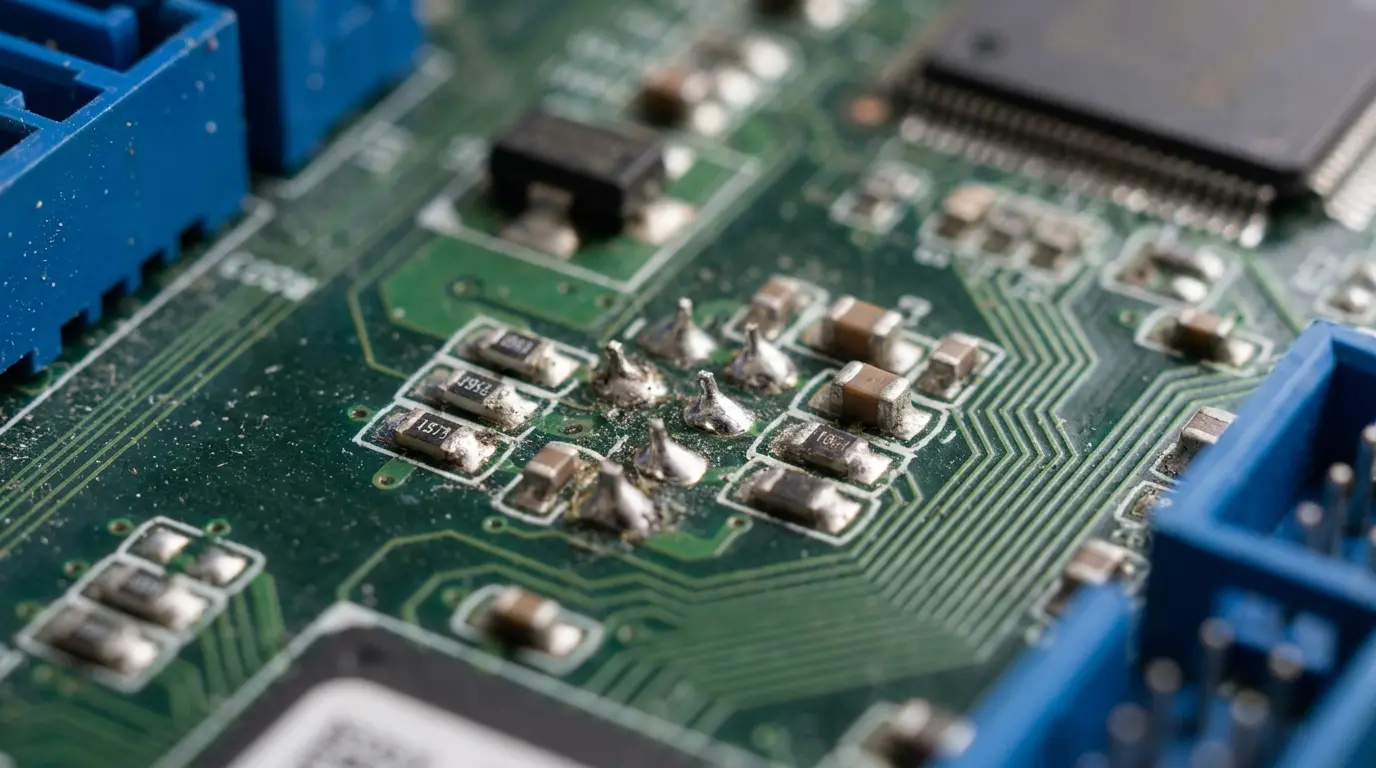
The European Space Agency is currently running Equal1’s RacQ server, the first rack-mounted, data-center-ready silicon quantum computer, demonstrating a functional application of the technology within its operational environment. This deployment coincides with the European Commission’s proposal for a €50 billion Sovereign Tech Equity Fund intended to fuel the growth of European quantum companies and establish industrial leadership. The initiative emphasizes the need to build on Europe’s existing semiconductor expertise, particularly in silicon spin qubits, and aims to position Europe as a global leader in quantum technology by 2030.
EU Quantum Act Targets €50 Billion for Quantum Equity
The Act’s success, however, hinges on translating research into commercially viable products and securing a robust supply chain within the region. Equal1 CEO Jason Lynch said silicon spin qubits give Europe a particularly strong opportunity to lead. Spin qubits use the spin of individual electrons to store and process information. They can be made with the same techniques already used to manufacture conventional chips, allowing Europe to build on its existing semiconductor expertise and infrastructure rather than starting from scratch.
Lynch emphasized the importance of detailed implementation as the Act progresses through the European Parliament and Council, stating, “Now the detail matters. As the Act moves through the European Parliament and the Council, it must make sure that quantum chips made with semiconductor processes are fully supported, and that it works hand in hand with the Chips Act 2.0 so that these technologies don’t fall between the two.” He further advocated for public procurement criteria that prioritize European design, manufacturing and deployment to ensure a competitive advantage for domestic companies. “Our RacQ server, operating today at the European Space Agency, shows that silicon quantum computers can already run in real-world environments,” Lynch confirmed, highlighting a tangible outcome of European investment in the field.
The Dublin-hosted European Quantum Technologies Conference, scheduled from November 30th to December 3rd, will be an important forum for discussing the Act’s implementation during Ireland’s Presidency of the Council of the EU. Lynch drew a parallel to the success of ASML, a European company specializing in photolithography systems for chip manufacturing, as a model for ambition and collaboration in quantum computing.
He concluded that the ultimate measure of the Act’s effectiveness will be its ability to provide European companies with the necessary capital, customers and partnerships to scale their operations within the region, preventing the commercialization of European research elsewhere.
Our RacQ server, operating today at the European Space Agency, shows that silicon quantum computers can already run in real-world environments.
Jason Lynch, CEO of Equal1



See today’s quantum computing news on Quantum Zeitgeist for the latest breakthroughs in qubits, hardware, algorithms, and industry deals.