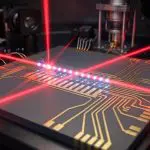
Battelle Memorial Institute, operating Pacific Northwest National Laboratory for the Department of Energy, plans to procure a medium-scale superconducting quantum computer through a three-to-five year lease agreement. The system, slated for installation at PNNL’s Richland, Washington campus, will provide access at both the circuit and pulse levels for Battelle staff and collaborators pursuing fundamental quantum research. This approach, targeting a contract award in fiscal year 2027, emphasizes experimentation and broad access over outright ownership. The laboratory intends to operate the system as a scientific instrument, with research results published openly.
PNNL Richland Facility Requirements for Quantum System Installation
Battelle staff and collaborators will require programmatic access at the circuit level and at the pulse level. Targeting a contract award in fiscal year 2027 provides a concrete timeline for establishing this quantum computing capability at the PNNL Richland campus. The installation will take place within an existing unclassified research facility, minimizing the need for new construction.
Battelle is seeking industry input to refine the procurement strategy, technical requirements and commercial terms, ensuring the selected system aligns with its quantum computing objectives. According to the document, “Through this RFI, Battelle seeks industry input to inform the procurement strategy,” outlining the laboratory’s commitment to a collaborative approach.




See today’s quantum computing news on Quantum Zeitgeist for the latest breakthroughs in qubits, hardware, algorithms, and industry deals.