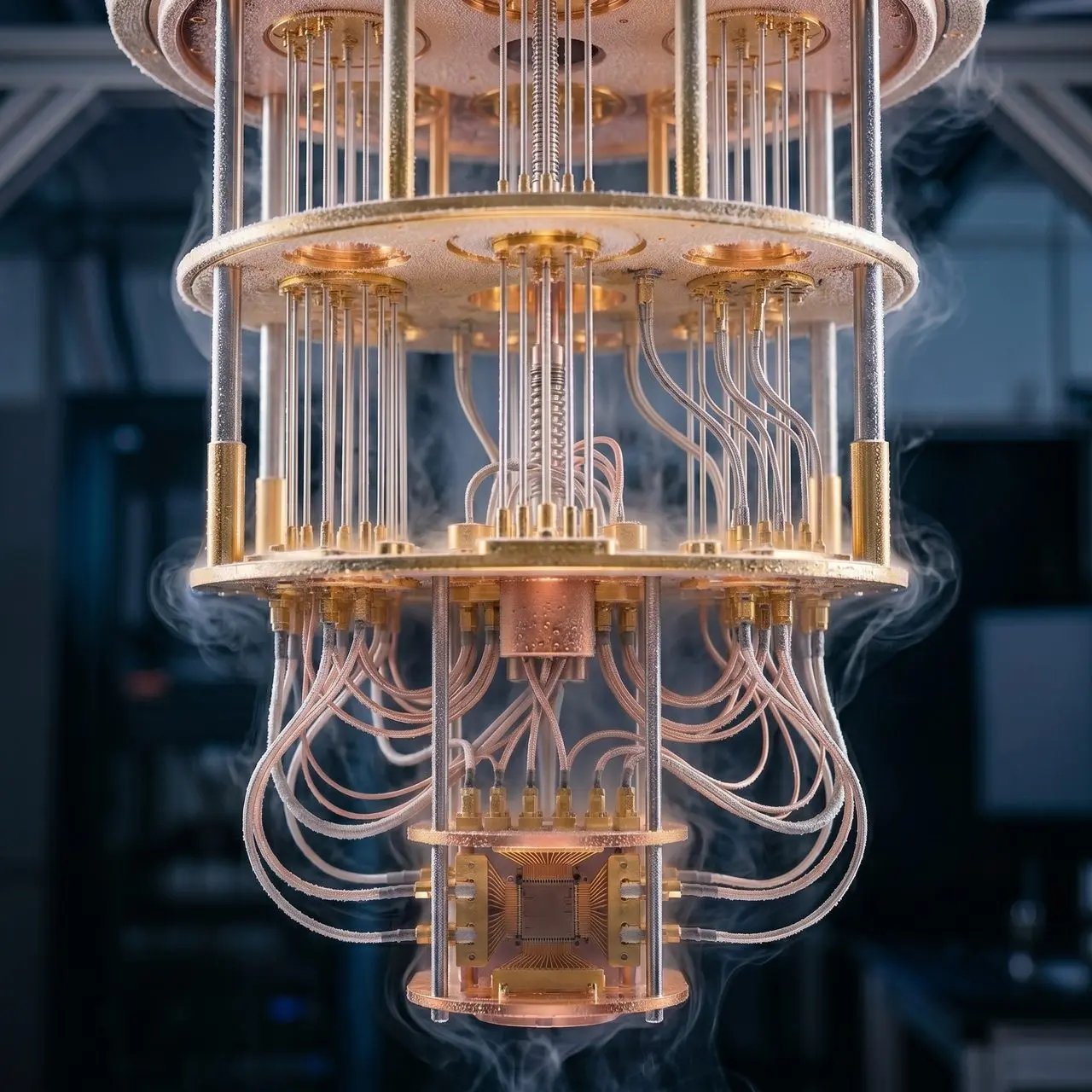
Quantinuum will receive $100 million in funding finalized with the U.S. Department of Commerce to advance manufacturing of trapped-ion quantum computers within the United States. The award, enabled by the CHIPS and Science Act, specifically targets research and development alongside bolstering domestic semiconductor capabilities for scalable, fault-tolerant quantum computing.
Quantinuum was the only company utilizing a trapped-ion architecture to receive this funding. Rajeeb Hazra, President and CEO of Quantinuum, as the company partners with GlobalFoundries and Monarch Quantum to build a resilient U.S. supply chain.
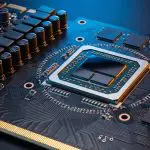
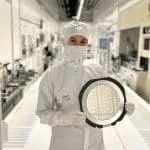
GlobalFoundries will fabricate ion traps and control electronics for Quantinuum, utilizing 300mm wafer technology to advance trapped-ion quantum computer manufacturing within the United States. This collaboration, supported by a $100 million award from the U.S. Department of Commerce’s CHIPS Research and Development Office, focuses on scaling fault-tolerant quantum computing systems. Quantinuum is the sole recipient of CHIPS R&D funding employing a trapped-ion architecture, a deliberate investment in this specific technology for future scalability, the company says.
Monarch Quantum will concurrently develop and manufacture reliable lasers and optical components essential for Quantinuum’s systems, shifting away from complex optical setups toward integrated photonics engines. “The road to large-scale, trapped-ion quantum computers relies on moving away from complex, sprawling optical setups to scalable, reliable integrated photonics engines,” said Dr. Timothy Day, CEO of Monarch Quantum.
These combined efforts aim to improve component robustness and reproducibility, strengthening domestic capabilities in photonics and semiconductor manufacturing. “GlobalFoundries is proud to partner with Quantinuum to help scale their trapped-ion technology,” said Tim Breen, CEO of GlobalFoundries. “By bringing our expertise in high-volume, differentiated semiconductor manufacturing, we’re helping create a path to more scalable, reliable quantum hardware and advancing the next generation of American innovation.” This funding intends to diversify Quantinuum’s supply chain and bolster U.S. leadership in the strategically important field of quantum computing.
As quantum computing moves closer to commercial scale, manufacturing will be critical to unlocking its full potential.
Tim Breen, CEO of GlobalFoundries


See today’s quantum computing news on Quantum Zeitgeist for the latest breakthroughs in qubits, hardware, algorithms, and industry deals.