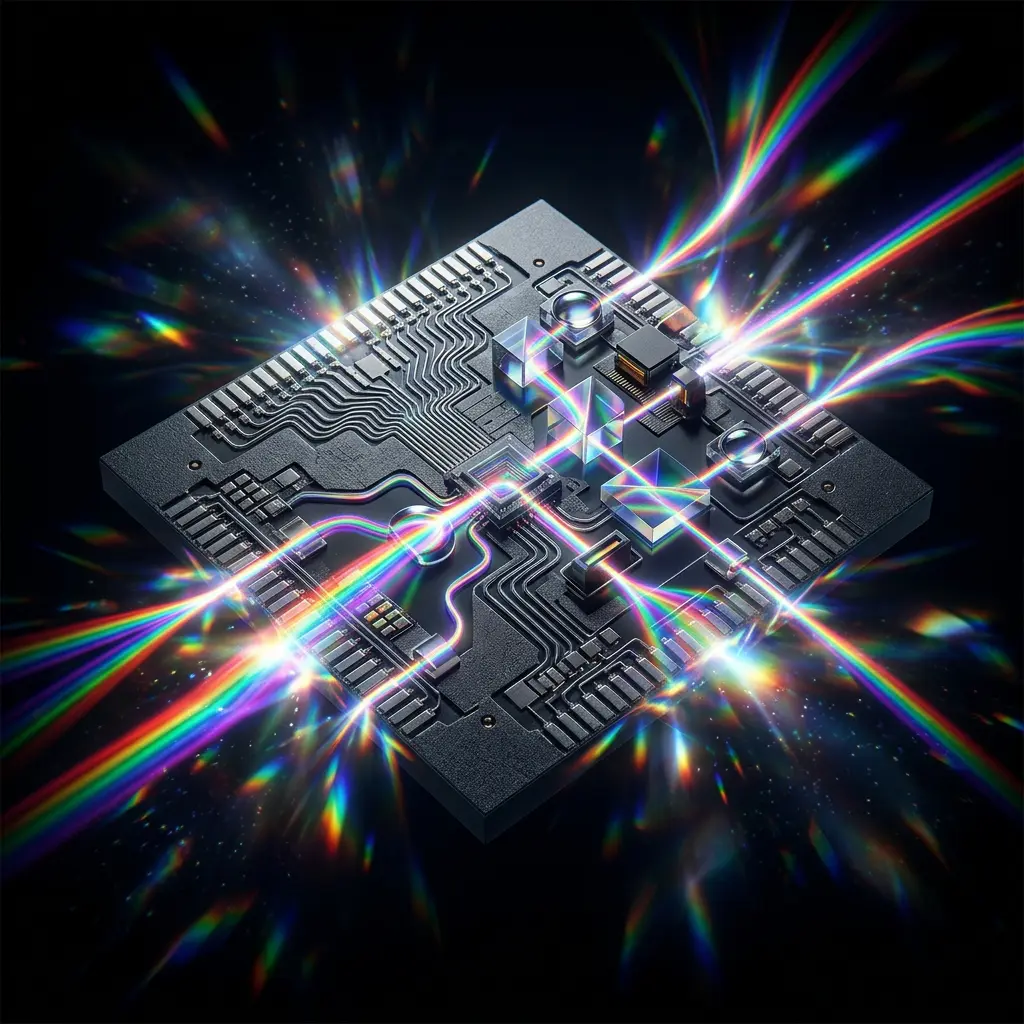
More than fifteen deep-tech startups focused on health, energy, space, and physical AI are among the forty selected for the latest cohort of Constructor Start, an equity-free global accelerator run in partnership with Constructor University and Nexford University. This batch, chosen from applicants across seventy countries, emphasizes frontier hardware, including three companies dedicated to quantum technologies. Memstera has already reached Technology Readiness Level 3 on a programmable quantum memory architecture and is aiming for a 4×4 memory array at TRL4 and a 128×128 prototype at TRL5. The startups will be eligible for initial 100,000 checks at Demo Day in Bremen this September, following a high-pressure “Snowball” pitch event on July 3rd where each team has exactly one minute to address a panel of over forty investors.
Quantum Technologies Driving Scalable Systems
A growing number of startups are tackling the engineering challenges of building practical quantum systems, and Constructor Start’s latest cohort reflects increased investment in deep tech. This focus on memory architecture is critical; stable and scalable quantum memory is essential for performing complex calculations beyond the reach of classical computers. The accelerator program also includes Pixel Photonics, which is developing a wafer-scale superconducting single-photon-detection platform, a foundational component for scalable photonic quantum systems. This approach to single-photon detection could reduce the size and cost of quantum systems, accelerating their deployment. Query Machines is also in the cohort, focusing on quantum-AI models and architectures for advanced reasoning, with plans for a pay-per-token reasoning API, suggesting a move toward commercializing quantum-enhanced artificial intelligence.
The inclusion of three quantum-focused startups within a 40-company cohort, representing 7.5 percent, highlights a deliberate investment strategy by Constructor Start. “Teams building quantum memories, neurointerfaces, ammonia power generators, and microwave-thermal propulsion need a different kind of support than a pure-software startup — they require a direct bridge to commercial scale,” said Dmitry Kurin, CEO of Constructor Start. The accelerator’s emphasis on university research labs, technical mentorship, and patient capital aims to address the unique needs of these hardware-intensive ventures, fostering innovation beyond software-only solutions.
Selecting these teams from over 2,100 global applications proves that Europe’s deep-tech pipeline is stronger than ever. Teams building quantum memories, neurointerfaces, ammonia power generators, and microwave-thermal propulsion need a different kind of support than a pure-software startup – they require a direct bridge from the lab to commercial scale.
Dmitry Kurin, CEO of Constructor Start
Deep Tech Innovations in Health, Energy, and Space
Beyond quantum computing, Constructor Start’s fourth cohort demonstrates investment in deep-tech solutions spanning health, energy, space, and physical AI, a deliberate focus differentiating the accelerator from those prioritizing software. More than fifteen startups within the forty-company group are dedicated to these physical areas, signaling a growing trend in venture capital toward tangible innovation. In the health sector, ARTSKIN is developing a neurointerface designed to restore tactile sensation for prosthetic users, while FerroptoCure is pioneering an oral anti-cancer treatment targeting specific metabolic pathways. Cytokyn M addresses the challenges of Long COVID and inflammaging with a novel IL-1 receptor antagonist, and PolaSight aims to provide rapid, label-free tissue imaging during surgery. Energy solutions are also well-represented; Neology is constructing an ammonia-based clean power generator intended for off-grid applications, and Roboblast offers a robotic system for automated surface preparation in manufacturing.
The space sector sees innovation from Spaceborne, which is developing a ground-powered microwave thermal rocket concept, and SatEx, focused on CubeSat buses and virtual satellite development platforms. The accelerator’s structure culminates in a unique pitch event, “Snowball,” on July 3rd, where startups will present to over forty investors in a strict one-minute timeframe.
Program Structure and Demo Day Competition
The accelerator’s structure is designed to facilitate such advancements, offering eight weeks of curriculum covering areas from financial modeling to go-to-market strategy, alongside mentorship from over 30 global experts including Tim Akgül, Head of Technology Prototyping, AI & Automation at Deutsche Telekom. This batch’s participants will first face the “Snowball” pitch event on July 3rd, a uniquely compressed format requiring each of the forty startups to present their vision to over 40 investors in precisely one minute. This high-pressure scenario is intended to refine their messaging and test their ability to quickly convey complex ideas, a skill crucial for securing funding. The culmination of the program is the in-person Demo Day in Bremen this September, where the top fifteen teams will pitch live before an audience of over 200 attendees, including tier-1 international VCs and business leaders. The program remains fully equity-free during participation, with three Demo Day winners eligible for an initial 100,000 check from Constructor Capital and potential follow-on investment up to $1 million.
Source: https://constructor.university/constructor-entrepreneurship-and-innovation-center/constructor-start


See today’s quantum computing news on Quantum Zeitgeist for the latest breakthroughs in qubits, hardware, algorithms, and industry deals.