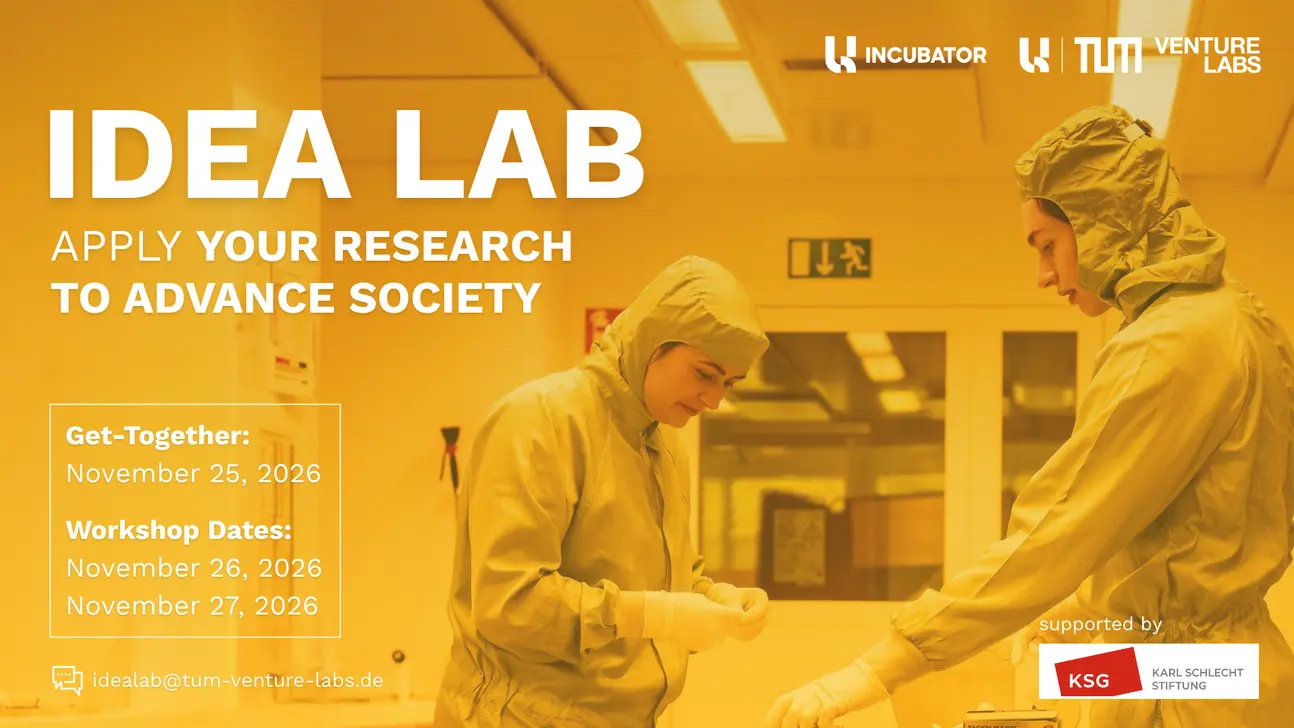
Ph. D. candidates and postdocs have until November 18, 2026, to apply for a two-day workshop designed to translate quantum research into viable businesses. TUM Venture Labs and the UnternehmerTUM Incubator will host the IdeaLab Quantum Workshop at Garching Forschungszentrum on November 26-27, 2026, equipping participants with the skills to dissect their work and pinpoint commercial applications. Event materials state the workshop aims to give attendees the knowledge to identify relevant application areas for their academic work and establish a research-based start-up. A networking event on November 25, 2026, will precede the workshop.
Deep-Tech Startup Launch: Skills for Academic Entrepreneurs
The workshop, beginning November 26, 2026, focuses on identifying commercial applications for academic work and equipping attendees with the skills to launch deep-tech start-ups. The intensive workshop format includes practice in communicating complex solutions to non-technical audiences, a critical skill for securing investment and market adoption. de. The program aims to bridge the gap between laboratory research and viable business ventures, supporting innovation in the quantum technology sector, and details about the event’s structure are available on the TUM Venture Labs website, which emphasizes hands-on learning and practical application of entrepreneurial principles.
Source: https://www.munich-quantum-valley.de/news-events/eventdetails/idealab-quantum-workshop-nov26


See today’s quantum computing news on Quantum Zeitgeist for the latest breakthroughs in qubits, hardware, algorithms, and industry deals.