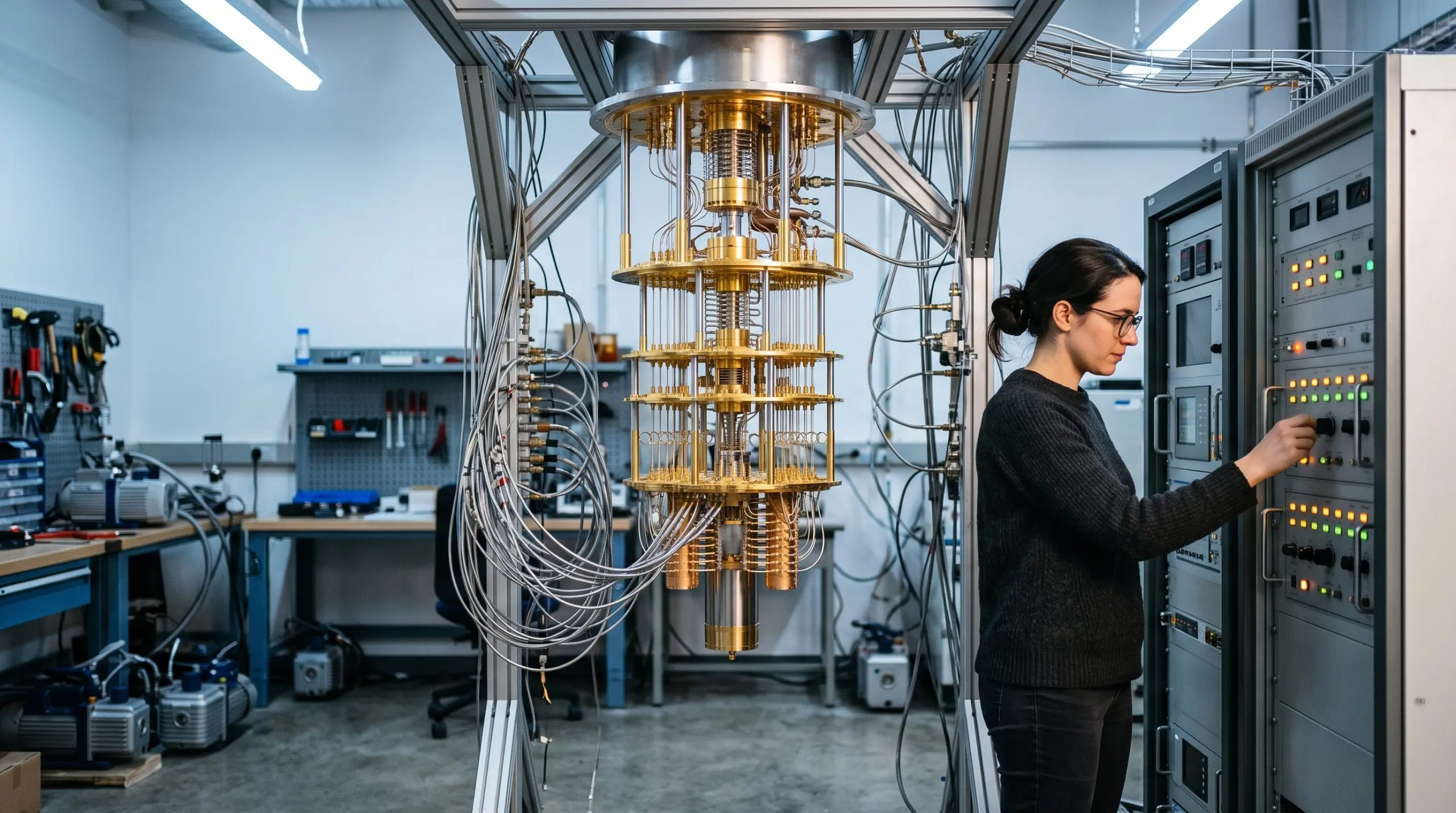
The Monetary Authority of Singapore will add S$100 million to its Financial Sector Technology and Innovation Grant Scheme (FSTI 3. 0), bringing total funding for quantum and artificial intelligence initiatives to S$150 million. This increase follows Deputy Prime Minister Heng Swee Keat’s announcement of the National Quantum Strategy in May 2024, and will establish a dedicated “Quantum track” within the existing six FSTI 3. 0 funding areas. MAS intends to support financial institutions building quantum capabilities and explore opportunities arising from these technologies, with grants focused on technology centers, innovation and enhanced cybersecurity readiness for the quantum era.
Enhanced FSTI 3.0 AI Support: Industry Platforms & Innovation Centers
The Monetary Authority of Singapore will fund the establishment of quantum computing and security innovation functions within the nation’s financial institutions through a new Technology Centres grant, part of the enhanced FSTI 3. 0 scheme. This grant will provide funding support of up to 50 percent on manpower and qualifying expenses, including hardware, software infrastructure, subscriptions and licenses, over a 24-month period. MAS intends this support to help financial institutions explore quantum technologies and encourage a robust ecosystem for their exploration.
The FSTI 3. Beyond the Technology Centres grant, the Quantum track includes a Technology Innovation grant with two sub-tracks designed to catalyze both impactful institutional use cases and solutions to broader industry-wide problem statements.
Up to 50 percent co-funding will be provided for projects advancing the exploration and implementation of quantum solutions, reflecting a commitment to practical application beyond theoretical research. A third grant, focused on security will provide up to 30 percent funding for pilots exploring Cryptography and Quantum Key Distribution to safeguard critical data. MAS also plans collaborative efforts with Higher Learning and the Institute of Banking and Finance to cultivate quantum capabilities within the financial services workforce.
The authority will support the development of expertise in areas like quantum algorithm design, quantum-resistant cryptography and the integration of quantum technologies into existing financial systems. This comprehensive approach, combining funding for infrastructure, innovation and talent, aims to position Singapore as a leading hub for quantum finance. While quantum computing receives a significant boost, MAS is simultaneously enhancing its support for artificial intelligence within the financial industry.
0 will be bolstered to encourage the development and deployment of AI technologies in Singapore, with the ambition of establishing the nation as a center of excellence for AI capabilities. Specifically, MAS will support financial institutions in establishing AI innovation centers focused on AI model building, training, deployment for high-impact use cases, governance, risk management, and ongoing testing and monitoring. This reflects a recognition that AI is no longer a future prospect but a present-day tool with the potential to reshape financial services.
The enhanced AI support extends beyond individual institutions to encompass the development of AI platforms addressing industry-wide use cases. MAS identified scam and fraud detection as the initial pilot project, intending to support collaboration between banks, technology solution providers and public agencies.
Funding will accelerate the development of industry-wide AI solutions and high-impact use cases, moving beyond isolated deployments to create shared resources and standardized approaches. This collaborative model aims to maximize the benefits of AI while mitigating risks associated with data privacy and security. The development of frameworks and platforms for secure and privacy-protected data exchange is a key component of the AI strategy. MAS recognizes that realizing the potential of AI requires access to large datasets, but this must be balanced with the need to protect sensitive financial information.
The agency will work with industry stakeholders to establish clear guidelines and protocols for data sharing, ensuring that AI solutions are developed and deployed responsibly. “There are strong prospects for the financial industry to apply AI to solve industry-wide problems beyond what each financial institution can do individually,” MAS explained, emphasizing the importance of collaboration and standardization. Further details on the enhanced support for AI will be announced in the coming months, outlining specific funding opportunities and program details.



See today’s quantum computing news on Quantum Zeitgeist for the latest breakthroughs in qubits, hardware, algorithms, and industry deals.