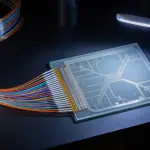
SEALSQ Corp has acquired Miraex, integrating thin-film lithium tantalate (TFLT) photonic integrated circuits designed to connect superconducting and spin-based quantum processors with optical communication links. This acquisition strengthens SEALSQ’s “Root-to-Qubit-to-Space” architecture, a five-layer framework intended to address national-level quantum security concerns by combining secure semiconductors, post-quantum cryptography, quantum computing, digital identity and satellite infrastructure. SEALSQ is building an integrated framework designed to help countries and enterprises retain control over critical technologies, trusted infrastructure and sensitive data. Miraex’s technology will also enable the company’s future space-based quantum communications and distributed sensing initiatives.
Miraex TFLT Platform Bridges Quantum Processing and Optics
SEALSQ’s recent acquisition of Miraex directly addresses a critical challenge in scaling quantum technology. The company intends to connect disparate quantum systems through advanced photonic integration. This bridging capability is vital for realizing distributed quantum computing, networking and sensing applications, moving beyond isolated quantum processors. The TFLT platform functions within SEALSQ’s “Root-to-Qubit-to-Space” architecture as a physical layer for quantum data transmission.
SEALSQ’s broader Quantum Highway initiative intends to link regional capabilities across Switzerland, France, Spain and the United States, creating a sovereign deployment strategy for quantum infrastructure. The company views the integration of Miraex as strengthening the connection between quantum processing and communications, a necessary step toward building the security and connectivity foundation for the quantum era.




See today’s quantum computing news on Quantum Zeitgeist for the latest breakthroughs in qubits, hardware, algorithms, and industry deals.