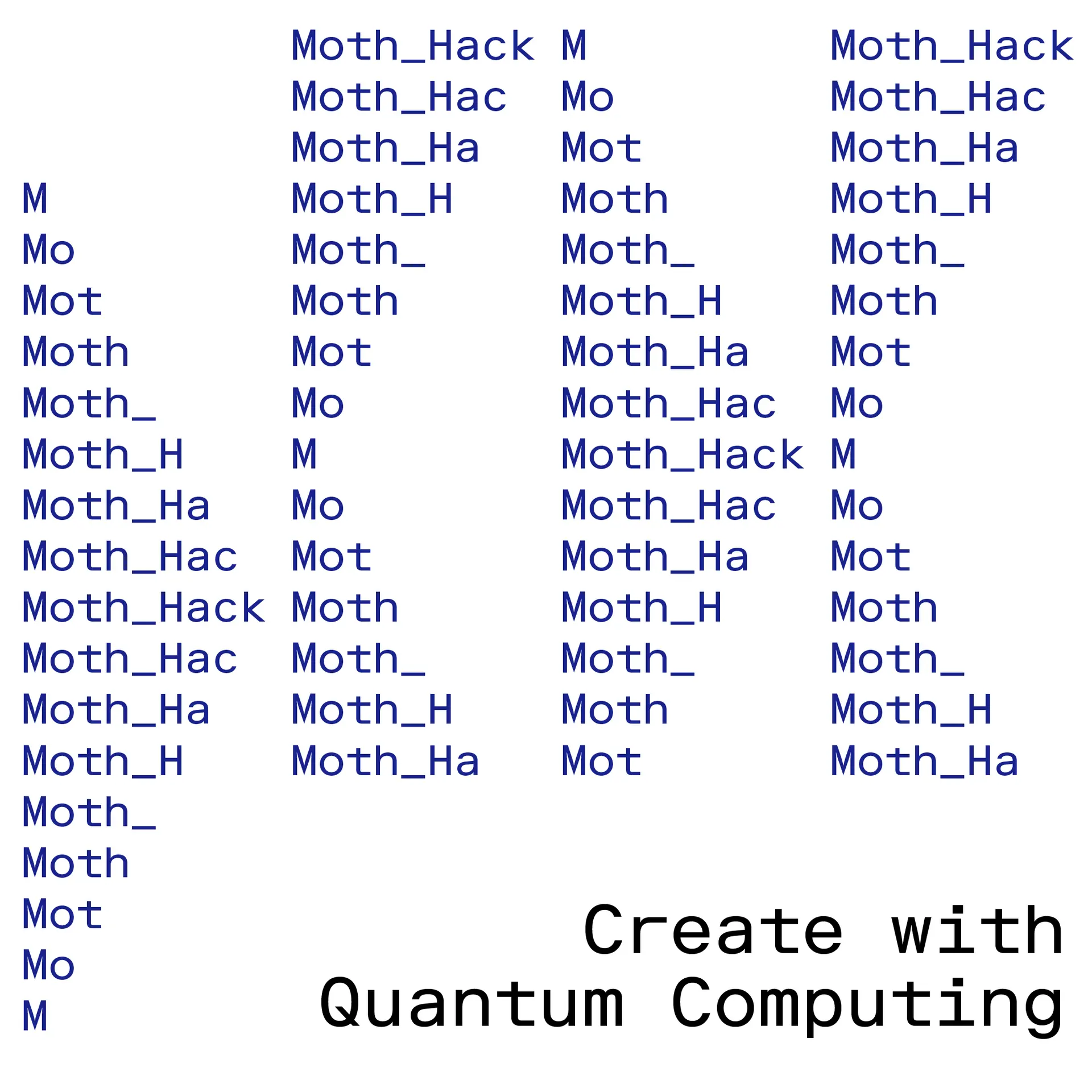
Moth Quantum will open its London space to the public this weekend, offering drop-in access to quantum applications alongside a limited-capacity hackathon. Attendees can experience applications designed as a playful introduction to the field, welcoming users of all skill levels.
Basement hackathon sessions require an RSVP and are limited to three-hour blocks to ensure equitable access, while the ground floor is open to all; visitors can walk straight in to explore the space and test the Moth platform. The event aims to broaden participation in quantum computing, offering professional advice and challenges for both beginners and expert developers.
Moth Hack 2026 Offers In-Person & Virtual Participation Options
Attendees at Moth Hack 2026 can explore quantum-powered applications like a playful introduction designed to broaden access to quantum computing concepts. The event, hosted by Moth Quantum at 19 D’Arblay Street in London, balances open access with structured sessions; the ground floor welcomes visitors with no prior registration needed to experience demonstrations and interact with the Moth team, the company says. In contrast, the in-person hackathon taking place in the basement requires an RSVP, with seat allocations limited to a maximum of three hours to ensure equitable participation for all attendees.
Moth Hack extends beyond the physical space, offering a virtual hackathon option for those unable to attend in person. Challenge entries can be submitted individually or as teams, with prizes awarded for successful projects.
The event’s design specifically targets a wide range of skill levels, stating that accessibility and challenges are designed for beginners through to expert tech users. Moth Quantum will also host a drop-in session on Sunday, allowing visitors to test hackathon submissions firsthand. According to the event description, visitors can pick from a variety of challenges to engage with and enter either online or in person, emphasizing inclusivity and creative exploration throughout the weekend.
Source: https://luma.com/wmrrdpcj



See today’s quantum computing news on Quantum Zeitgeist for the latest breakthroughs in qubits, hardware, algorithms, and industry deals.