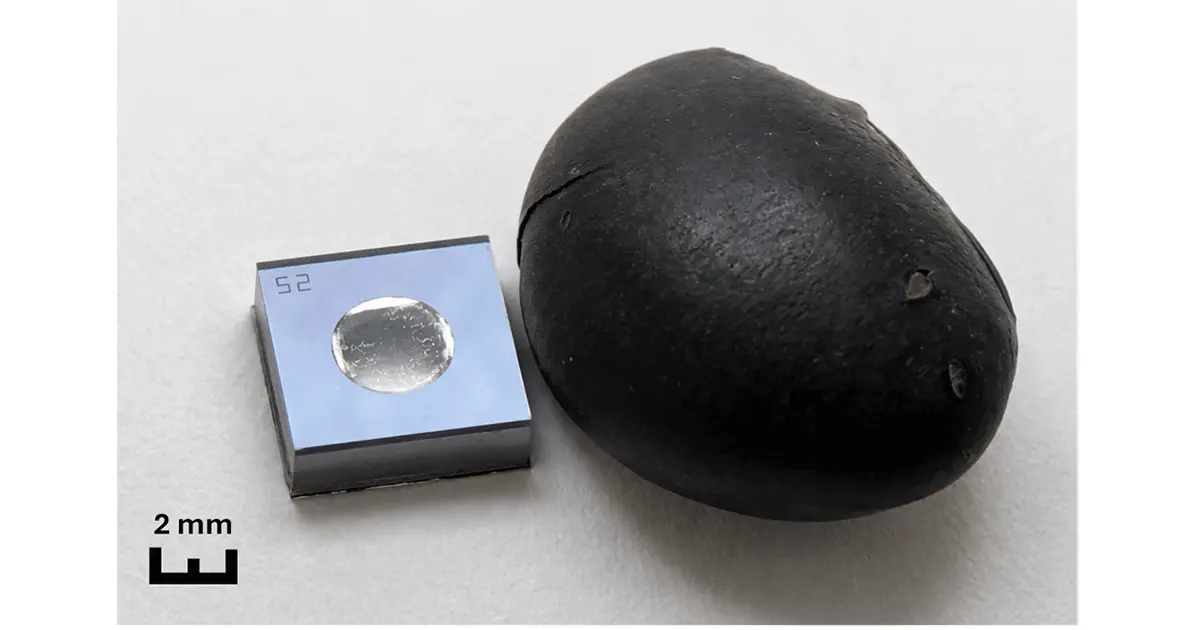
Researchers from the National Institute of Information and Communications Technology and collaborating institutions have demonstrated a new method for fabricating microelectromechanical systems (MEMS) atomic cells using inkjet-based deposition of rubidium azide (RbN 3) microparticles. This process allows for precise control of nitrogen gas pressure within the cells during wafer-level manufacturing, a capability previously hindering efficient optimization of chip-scale atomic clocks.
By fabricating MEMS vapor cells with varying nitrogen pressures, the team identified conditions that maximize clock performance and established a platform that accelerates the design and optimization of atomic cells, according to the researchers. The advance promises to improve timing sources for applications ranging from satellite navigation to autonomous vehicles.
Coherent Population Trapping Resonance Optimizes Clock Performance
This level of control, enabled by an inkjet-based deposition process, directly impacts the coherent population trapping (CPT) resonance characteristics critical to the performance of chip-scale atomic clocks. Analysis of CPT resonance revealed a strong linear relationship between the amount of deposited RbN 3 and the resulting nitrogen partial pressure within the vapor cell, a finding that confirms the accuracy and reproducibility of the new fabrication method.
This correlation allows designers to predictably tailor the internal cell environment, something that was previously only possible after fabrication and subsequent testing. The ability to control nitrogen pressure at the wafer level, rather than post-fabrication, represents a shift in the development process for these miniature timekeepers.
The researchers used the thermal decomposition of RbN 3 to generate both rubidium vapor and nitrogen gas, essential components of the atomic cell’s operating environment. By depositing the RbN 3 using inkjet technology, they achieved a level of precision in gas pressure control that surpasses conventional MEMS vapor-cell fabrication methods. This precision is important because the performance of chip-scale atomic clocks is known to depend strongly on the pressure and composition of the gases within the microfabricated cell.
The team stated that by further optimizing cell structures and fabrication conditions using this platform, they aim to accelerate the development of high-performance atomic vapor cells for chip-scale atomic clocks. The newly established platform not only optimizes gas pressure but also maintains compatibility with existing wafer-level mass production processes.
Looking ahead, the team anticipates that this technology will contribute to the advancement of key technologies supporting space-time synchronization infrastructure. The development of high-performance MEMS vapor cells is essential for realizing the full potential of these applications, and this new platform provides a powerful tool for achieving that goal. The team explained that this achievement makes it possible to control the nitrogen partial pressure inside MEMS vapor cells at the wafer level as designed, whereas previously it could only be evaluated after fabrication.




See today’s quantum computing news on Quantum Zeitgeist for the latest breakthroughs in qubits, hardware, algorithms, and industry deals.