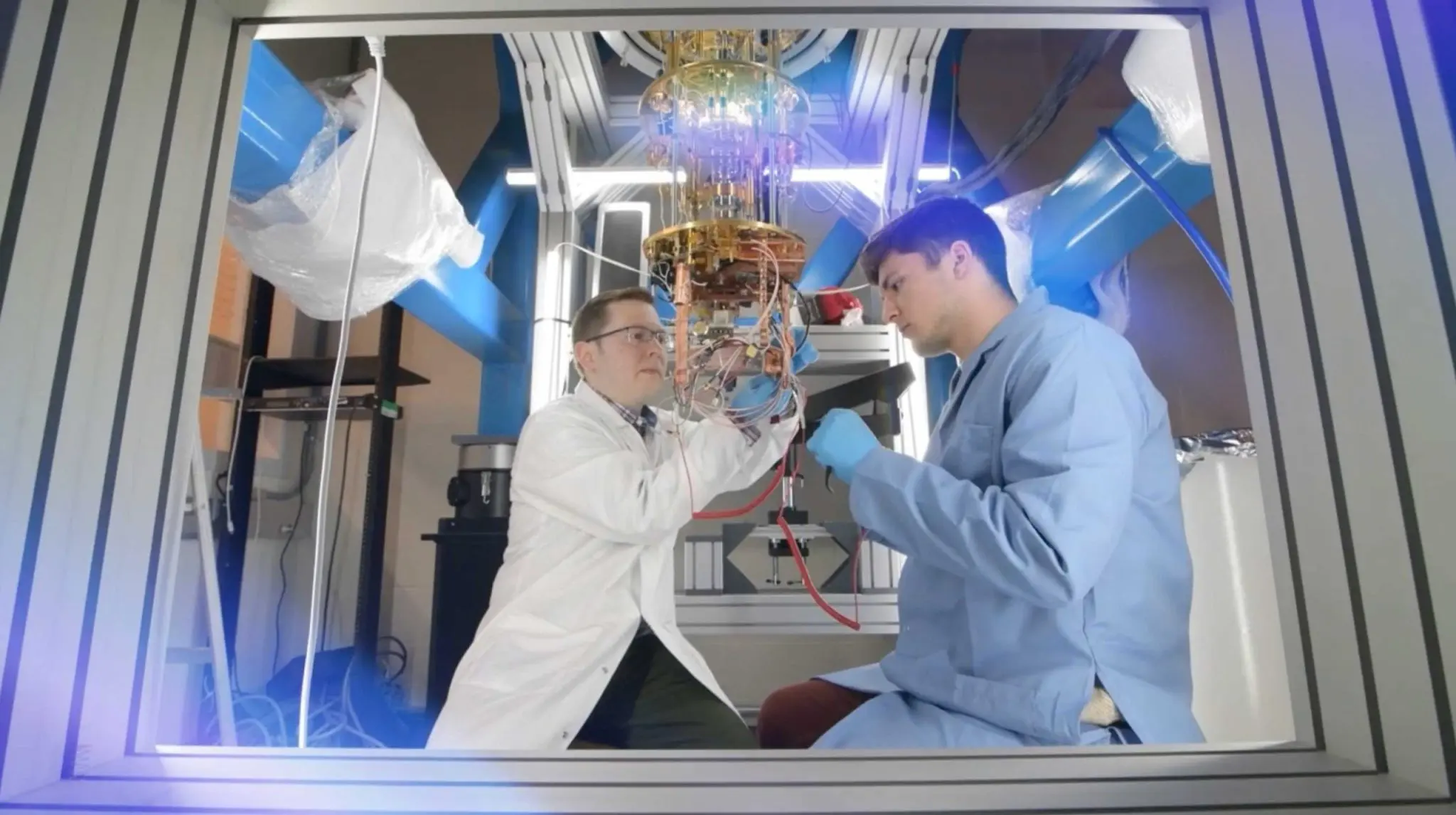
A $15 million investment from the U.S. National Science Foundation will establish a Quantum Technologies Engine in Connecticut, placing the state among twelve regions advancing critical technologies and bolstering U.S. innovation. Led by the University of Connecticut in collaboration with Yale University, Southern Connecticut State University, and Connecticut State Community College, the Engine will focus on commercializing quantum technologies for future impact in national defense, biotechnology, and financial services. The initiative aims to accelerate innovation, applied research, and workforce development in areas like quantum sensing and secured communications, leveraging the region’s existing strength in technology adoption; Connecticut companies already support over 270,000 jobs, accounting for 38% of wages in the state and contributing over $28.7 billion to national GDP. “NSF Engines investments in critical technologies and future industries will transform America’s innovation infrastructure for decades to come,” says Brian Stone, performing the duties of the NSF director.
NSF Engines Award Fuels Connecticut’s Quantum Tech Sector
Innovation capabilities will be enhanced through this collaborative effort, which extends beyond academia to include ConnCORP, Connecticut Innovations, and direct support from the State of Connecticut, signaling a unified commitment to quantum development. The initial two-year funding allocation will be strategically deployed to support technology translation initiatives, expand workforce development programs, and establish robust incubator operations. Beyond this initial investment, the QuantumCT Engine could attract up to $160 million from the NSF over the next decade, dependent on demonstrated progress and impact. UConn and Yale will leverage their combined research expertise to generate technology ventures and cultivate a skilled workforce prepared for the demands of this rapidly evolving field.
Connecticut’s existing strength in quantum technology adoption, companies in the state support over 270,000 jobs, representing 38% of the state’s wages and contributing over $28.7 billion to national GDP, provided a strong foundation for this successful bid. “Connecticut is the nation’s leading state for quantum technology adoption,” asserts Pamir Alpay, UConn’s provost and principal investigator on the NSF-funded proposal. “The award recognizes our team’s success in establishing partnerships with industry to accelerate quantum technologies and build a quantum-ready workforce.” The state has also committed $121 million to the Engine, including $60 million already invested and a further $60 million contingent on receiving the NSF award, demonstrating a significant financial commitment to establishing a national and global leadership position in quantum technology.
Connecticut is the nation’s leading state for quantum technology adoption.
Pamir Alpay, UConn’s provost and the principal investigator on the NSF-funded proposal
The field of quantum technology is rapidly shifting from theoretical possibility to practical application, with a growing number of nations competing for dominance in this potentially transformative area. While significant progress has been made in quantum computing and sensing, translating laboratory breakthroughs into commercially viable products remains a key challenge, one the newly established QuantumCT Engine in Connecticut aims to address. Connecticut companies adopting quantum technologies support over 270,000 jobs, accounting for 38% of wages in the state and contributing millions of jobs and over $28.7 billion in GDP nationwide. The Engine’s structure includes a shared testbed, a deep-tech incubator, and pathways for translating research into tangible products, all designed to foster public-private partnerships. A crucial component of this success will be leveraging the combined research expertise of UConn and Yale, with over 60 faculty members at UConn alone specializing in quantum science. This collaborative effort extends to industry partners like Quantinuum and D-Wave, who are partnering to develop quantum computing testbeds for experimentation and technology translation.
With this transformative award, NSF has recognized the scale of the QuantumCT Engine’s ambition and its potential to accelerate the quantum revolution for our state, region, and the United States as a whole.
Maurie McInnis, Yale University President
$15 Million Initial Funding Supports Translation & Workforce Development
Researchers at Quantinuum are partnering with the newly established NSF Quantum Technologies Engine in Connecticut to develop advanced quantum computing testbeds, facilities crucial for translating theoretical advancements into practical applications. These testbeds will serve as platforms for experimentation and vital tools for technology translation activities, accelerating the path from discovery to commercial viability. This funding will be strategically allocated to bolster three key sectors: national defense, biotechnology, and financial services, reflecting a focused approach to maximizing the impact of quantum technologies. Beyond advancing research, the Engine prioritizes workforce development, recognizing the need for a skilled talent pool to sustain long-term growth.
Southern Connecticut State University’s QNT (CSCU Center for Quantum and Nanotechnology) will serve as the workforce lead, leveraging existing alliances with industry and other higher education institutions to build a robust pipeline of quantum-ready professionals. “Our mission is grounded in access and opportunity, and the workforce component of this effort enables us to open up new frontiers in research and innovation to countless students across Connecticut,” says Sandra Bulmer. This sustained funding will support the Engine’s deep-tech incubator and translation pathways, facilitating the creation of new ventures and fostering public-private partnerships.
NSF Engines investments in critical technologies and future industries will transform America’s innovation infrastructure for decades to come.
Brian Stone, performing the duties of the NSF director
Connecticut’s Leadership in Quantum Adoption Drives $200 Billion Potential
Connecticut’s burgeoning quantum sector is poised to significantly impact national economic forecasts, with projections estimating the broader quantum technology industry will reach $200 billion by 2040. This potential is now being actively cultivated through a substantial $15 million award from the U.S. National Science Foundation to the QuantumCT Engine, placing Connecticut among twelve regions spearheading critical technology development. This investment isn’t simply about fundamental research; it’s about building a robust commercialization pipeline. The NSF award will directly support technology translation efforts, workforce development programs, and the operation of a deep-tech incubator designed to foster quantum startups. Existing quantum technology adopters within the state, including RTX, Travelers, Boehringer Ingelheim, Pfizer, Amphenol, and Microsoft, will partner to develop testbeds and accelerate applied research projects, integrating quantum capabilities into their existing product lines. The scale of Connecticut’s commitment extends beyond the federal investment.
These funds will facilitate the construction of a quantum incubator in New Haven, serving as the central hub for the Engine’s activities. This commitment builds upon earlier successes, including a $1 million NSF Engines Development Award in 2023 that established the operational structure and key partnerships. Connecticut’s existing quantum-adopting companies already support over 270,000 jobs, accounting for 38% of wages in the state and contributing over $28.7 billion to the national GDP, demonstrating a strong foundation for continued growth.
As Connecticut’s flagship public university and the state’s land-grant institution, UConn takes pride in its leadership role within the QuantumCT Engine.
Radenka Maric, UConn President



See today’s quantum computing news on Quantum Zeitgeist for the latest breakthroughs in qubits, hardware, algorithms, and industry deals.