Moth reports encoding and reading back 1,568 values across all 120 qubits of an IBM Quantum Nighthawk r2 processor using a new method called Tessa, exceeding the 128 values achieved in the largest previous experiment of its kind. The technique writes classical data across every qubit simultaneously, bypassing the need for complex qubit rearrangement and offering a potential advantage for scaling quantum computing.
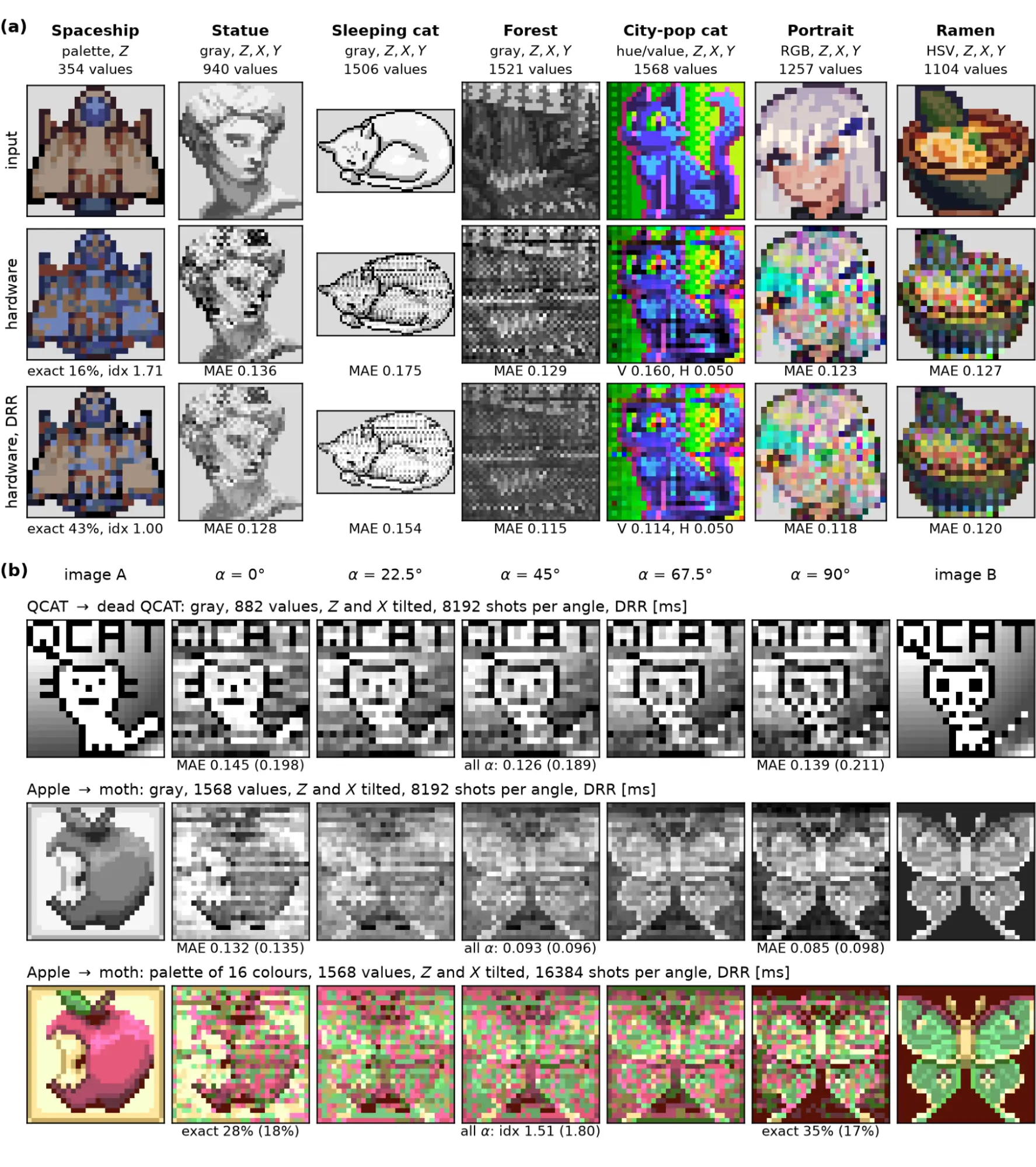
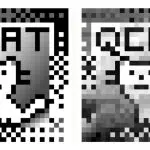
Tessa works with existing chip wiring, splitting qubits into data and address groups to store multiple values, and handles diverse data types like images, audio and DNA sequences without additional qubits. The team tested the method with pixel-art images, achieving a correlation of 0.95 or better between input and output.
Tessa Method Encodes Data Across IBM Nighthawk’s 120 Qubits
This fixed circuit length addresses a key challenge in scaling quantum computing by eliminating the increasing gate counts that typically accompany larger processors. The team’s method, called Tessa, bypasses the need for qubit rearrangement, avoiding complex SWAP gates and ancilla qubits, by writing data across every qubit simultaneously. This approach allows for efficient data loading, a critical step in using quantum hardware. Unlike conventional methods that require additional qubits or complex gate sequences, Tessa uses the existing wiring of the chip, streamlining the data transfer process.
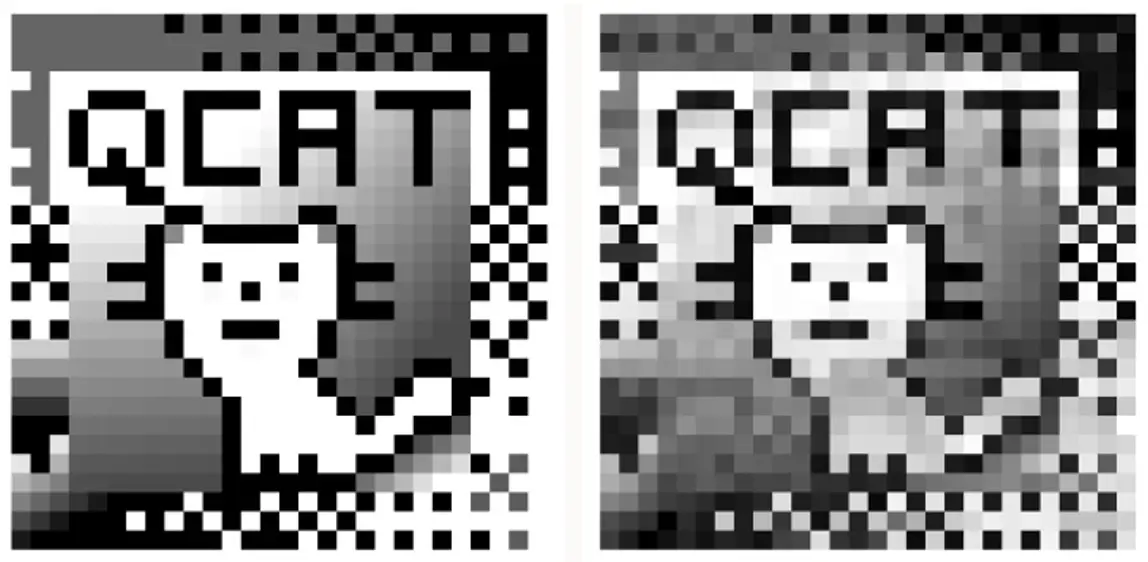
This efficiency is particularly important as quantum processors continue to increase in complexity, as the circuit depth, a measure of the number of operations, directly impacts the potential for errors. Tessa’s versatility extends beyond simple numerical data, accommodating diverse data types without requiring modifications to the encoding process.
The team demonstrated this capability by encoding and decoding pixel-art images, audio waveforms, musical scores and even a 784-letter stretch of mitochondrial DNA on the Nighthawk processor, IBM says. The DNA sequence was recovered with 92% accuracy, highlighting the potential of Tessa for applications in bioinformatics and genomics.

Encoding 441 numbers on an IBM Quantum Heron r3 processor was also successful, demonstrating the method’s adaptability across different IBM quantum platforms, according to the company. While Tessa offers significant advantages, the team acknowledges a trade-off: the accuracy of data retrieval decreases as the number of neighboring address qubits increases, requiring more repeated measurements to maintain fidelity.
Despite this limitation, the ability to load and read data across an entire processor at once represents an advancement in quantum data handling. The team reports that they tested Tessa with an image of a pixel-art cat, across all 156 qubits of an IBM Quantum Heron r3 processor, demonstrating the method’s ability to handle complex visual information. The technology is currently available for testing on Moth’s Atlas platform, allowing researchers and developers to explore its capabilities firsthand.
1,568 Values Recovered: Tessa’s Performance on Nighthawk r2 Processors
Encoding 784 values required only 19 layers of two-qubit gates using Tessa, a result that demonstrates a key advantage for future scalability as quantum chips increase in size; unlike conventional methods, the circuit depth remains constant regardless of the number of qubits used. The method’s performance was evaluated across five IBM quantum computers, ibm_boston (Heron r3), ibm_fez (Heron r2), ibm_pittsburgh (Heron r3), ibm_miami (Nighthawk r1), and ibm_phoenix (Nighthawk r2), revealing consistent data recovery and minimal error.

See today’s quantum computing news on Quantum Zeitgeist for the latest breakthroughs in qubits, hardware, algorithms, and industry deals.