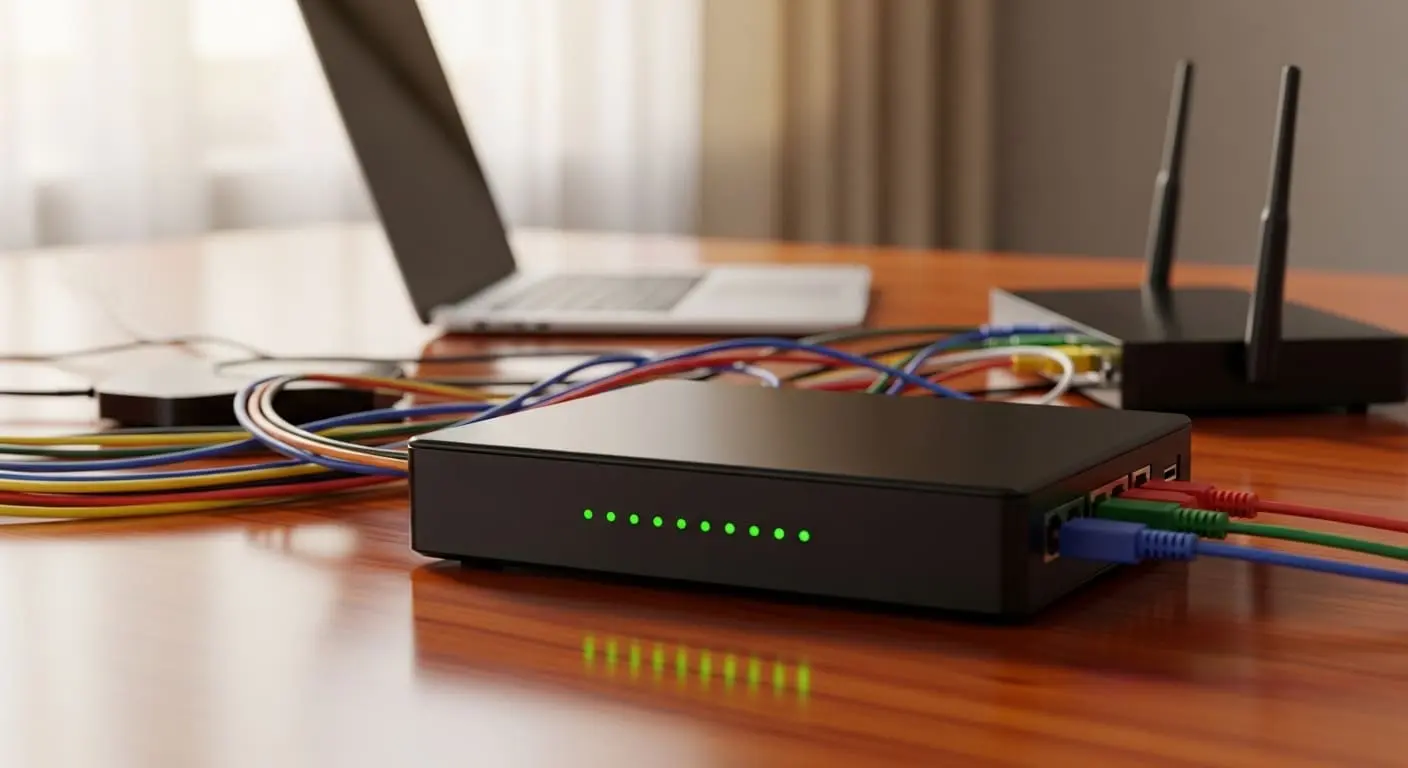
Quip.Network is now shielding 34 percent of all Bitcoin in circulation from potential quantum attacks, a surprisingly high percentage of the cryptocurrency currently vulnerable to future computing advances. Postquant Labs announced the deployment of post-quantum Bitcoin wallets utilizing Arch Network’s smart contract layers, offering protection without requiring alterations to Bitcoin’s core code or a contentious soft fork. This move arrives as developers debate BIP-361, a proposal that would potentially freeze 5.6 million long-dormant coins and roughly 1 million BTC believed to belong to Satoshi Nakamoto. Colton Dillion, CEO and co-founder of Postquant Labs, said the Bitcoin community has delayed a fix for years, despite Satoshi himself discussing the quantum problem. Quip.Network offers a “third path,” allowing users to upgrade security immediately and avoid the risk of frozen funds.
34% of Bitcoin Vulnerable to Quantum Attacks
Over a third of all Bitcoin in circulation, 34 percent, is presently susceptible to attacks from future quantum computers, a figure revealed by Quip.Network that underscores the immediacy of the threat to the cryptocurrency’s security. This vulnerability isn’t a distant concern; it impacts a substantial portion of existing coins right now, prompting a search for proactive solutions within the Bitcoin community. Critics have labeled BIP-361 as “authoritarian and confiscatory,” raising concerns about its potential violation of Bitcoin’s core tenet of permissionless ownership. In response, Quip.Network is deploying a distinct approach, leveraging Arch Network’s Bitcoin-native smart contract layers to offer post-quantum protection without requiring a Bitcoin soft fork. This “third path” allows users to upgrade defenses sooner, mitigating the risk of future fund freezes. The solution utilizes trustless on-chain proofs of ownership with post-quantum keys, and is designed to automatically integrate future post-quantum protections as they become available.
Developers say any protocol upgrade could take 5 to 10 years, but with Quip’s approach, similar protection is available immediately. Rather than relying on external databases, Quip commits quantum-safe keys directly to Bitcoin via Arch Network, offering a native and auditable solution. This approach, according to Dr. Richard Carback, chief technology officer and co-founder of Postquant Labs, “ensures that a Bitcoin holder doesn’t have to trust Quip Network at all.”
Quip.Network Leverages Arch Network’s Smart Contracts
Beyond the debate surrounding BIP-361 and its potential to freeze vulnerable Bitcoin addresses, an alternative approach to quantum resistance is gaining traction. This design leverages Layer 2 solutions like Arch, which are anchored to real Bitcoin, allowing funds to benefit from security enhancements implemented on the L2 without requiring user intervention. This method allows for early defense against quantum threats, particularly in unforeseen scenarios where attacks may occur sooner than anticipated. The system narrows the window of quantum exposure to as little as two blocks by utilizing techniques like key rotation and hashed outputs, a timeframe considered too short for current quantum computing capabilities. Matt Mudano, Co-founder and CEO of Arch Network, emphasizes the practical implications: “Bitcoin holds more value than any asset on earth and right now 34 percent of it is sitting in quantum-vulnerable addresses. That’s not a theoretical risk, that’s a real infrastructure gap. What Quip is doing on Arch closes that gap natively; no bridges, no wrapping, no protocol changes. That’s how you protect Bitcoin without compromising what makes it Bitcoin.”
The Bitcoin community has delayed a fix for years, despite Satoshi himself discussing the quantum problem. Developers say any protocol upgrade could take 5-10 years, but with Quip’s approach, we provide similar protection immediately. It’s simple and works on top of Bitcoin today, using existing rules, with no community vote required.
Colton Dillion, CEO and co-founder of Postquant Labs
WOTS+ Signatures & Narrowed Quantum Exposure Window
Postquant Labs is addressing the escalating threat to Bitcoin from future quantum computers by deploying a novel defense mechanism utilizing WOTS+ (Winternitz One-Time Signature) cryptography. The company’s strategy diverges from the contentious BIP-361 proposal, which would freeze coins failing to migrate to quantum-resistant addresses, potentially including 5.6 million long-dormant coins and approximately 1 million BTC associated with Satoshi Nakamoto. The system’s architecture leverages the fact that all smart contract inputs can be independently verified, providing absolute ownership guarantees. A third-party audit is currently underway, with the code released early to encourage community review and ensure transparency.
It is much easier for Bitcoin L2’s to implement quantum protection than it is for Bitcoin core, and this approach ensures that a Bitcoin holder doesn’t have to trust Quip Network at all. The code is fully open-source and auditable. You get all of the original security guarantees, and you get increased protections automatically as the L2s implement them.
Dr. Richard Carback, chief technology officer and co-founder of Postquant Labs
The escalating threat of quantum computing has prompted the deployment of post-quantum wallets across multiple blockchains, including Bitcoin, as a proactive measure against future cryptographic breaches. With Quip.Network reporting that 34 percent of all Bitcoin in circulation remains vulnerable to quantum attacks, the urgency to secure digital assets is now demonstrably real, not merely theoretical.
Bitcoin holds more value than any asset on earth and right now 34% of it is sitting in quantum-vulnerable addresses. That’s not a theoretical risk, that’s a real infrastructure gap. What Quip is doing on Arch closes that gap natively; no bridges, no wrapping, no protocol changes. That’s how you protect Bitcoin without compromising what makes it Bitcoin .
Matt Mudano, Co-founder and CEO of Arch Network
Disclaimer. This article is for informational purposes only and does not constitute investment, financial or professional advice. Quantum computing and the cryptography that secures digital assets both evolve rapidly and information may become outdated. Always conduct your own research and consult qualified advisers before making investment decisions. Digital assets are highly volatile and involve significant risk, including the potential loss of your entire investment, and past performance is not indicative of future results.


See today’s quantum computing news on Quantum Zeitgeist for the latest breakthroughs in qubits, hardware, algorithms, and industry deals.