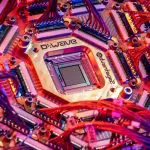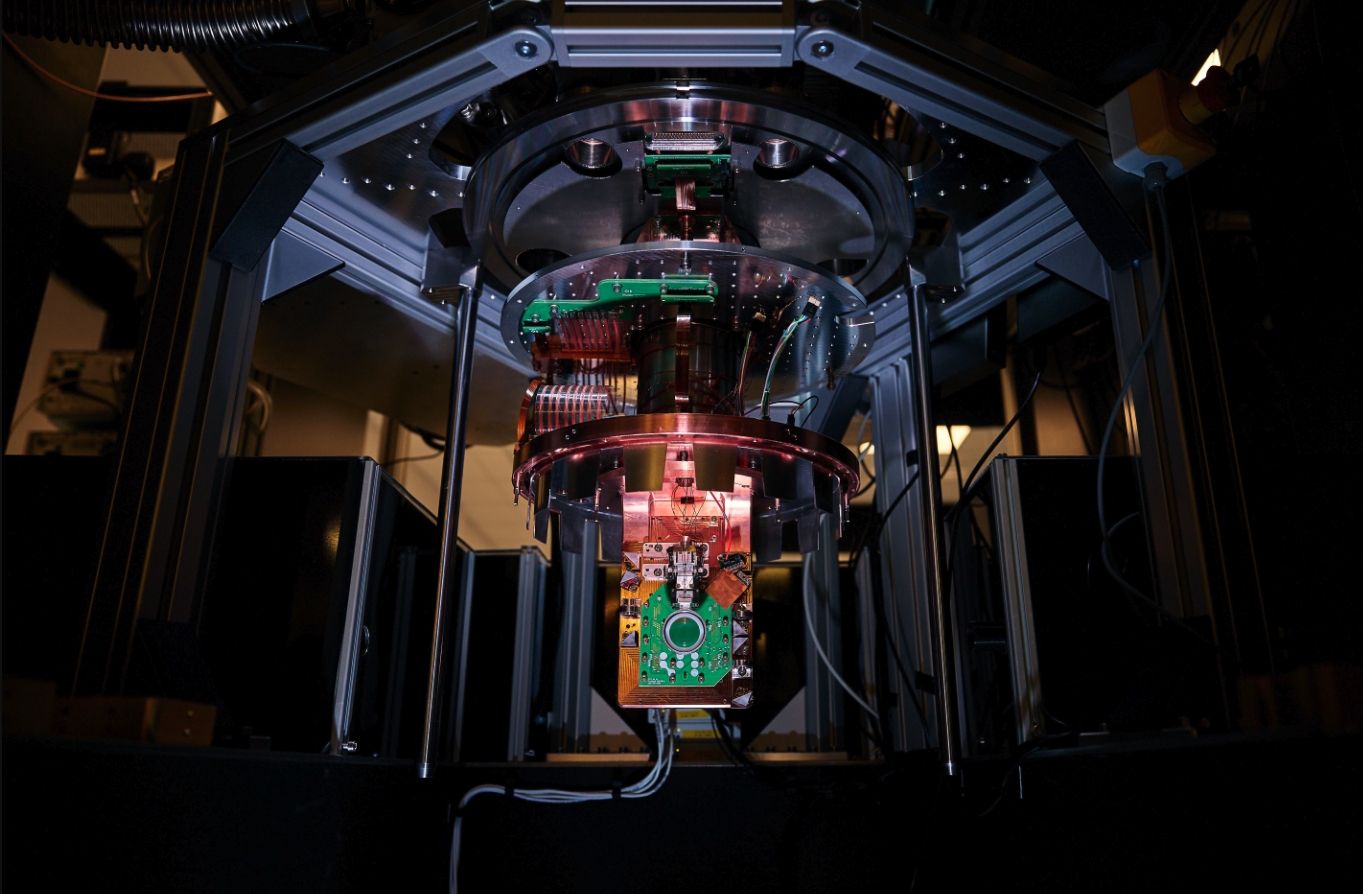
Horizon Quantum has expanded its quantum computing testing capabilities with the purchase of a 256-qubit trapped-ion system from IonQ, a move indicating a strategy to diversify beyond superconducting hardware. The company announced the acquisition alongside its first quarter financial results, which included a 38.3% year-over-year increase in operating loss to 6.5 million, despite becoming publicly traded on March 20th following a merger. Net loss also decreased to 3.6 million, or 0.09 per ordinary share, compared to a loss of 4.8 million, or 0.12 per share in the prior year. This investment in a second, distinct quantum architecture complements Horizon Quantum’s existing system and supports the integration of European quantum hardware from companies like AQT and Alice & Bob. “Taking the step of hosting both solid-state and atom-based systems provides us with a multi-modality testbed that few commercial organizations can match,” said CEO and Founder Dr. Joe Fitzsimons, emphasizing the company’s commitment to hardware-agnostic software infrastructure.
Nasdaq Debut and Q1 Financial Performance
Horizon Quantum’s recent debut on the Nasdaq stock exchange, finalized March 20th, coincided with a complex financial picture revealed in its first quarter results, signaling ambitious spending alongside public market entry. The company reported an operating loss of 6.5 million for the quarter ending March 31st, a 38.3% increase compared to the 4.7 million loss recorded in the same period last year; this jump suggests significant investment following the special purpose acquisition company (SPAC) merger, rather than immediate profitability. While net loss decreased to 3.6 million, or 0.09 per ordinary share, compared to a loss of 4.8 million, or 0.12 per share in the prior year, Horizon Quantum maintains a strong cash position with 96.6 million in cash and cash equivalents as of March 31st, providing resources for continued development. A key strategic move supporting this investment is the diversification of its quantum computing hardware testing capabilities.
Horizon Quantum has purchased a 256-qubit trapped-ion quantum computer from IonQ, complementing its existing superconducting system. This deliberate expansion beyond a single hardware approach, as the company highlighted, allows for the development of genuinely hardware-agnostic software. The acquisition of this system is expected to be a critical resource for both internal scientists and external users of Triple Alpha, Horizon Quantum’s integrated development environment. Beyond IonQ, Horizon Quantum is actively forging collaborations with European quantum hardware companies, further solidifying its commitment to a globally diverse quantum ecosystem. Strategic agreements with both AQT (Alpine Quantum Technologies) and Alice & Bob demonstrate a clear intention to integrate a wider range of hardware platforms with its software. The collaboration with Alice & Bob focuses on integrating their cat qubit emulators with Triple Alpha, aiming to streamline the development of fault-tolerant quantum software.
Similarly, the AQT partnership seeks to leverage synergies between the two companies by integrating Triple Alpha with AQT’s trapped-ion quantum processors, allowing developers to directly deploy programs onto AQT hardware. CEO and Founder Dr. Joe Fitzsimons believes that the business combination “will allow us to significantly accelerate progress in building the software infrastructure to power quantum applications,” and anticipates the financial resources will support increased investment in research and development.
Qubit IonQ System Expands Hardware Testbed
Horizon Quantum is rapidly establishing itself as a unique player in the quantum computing arena, differing from companies focused solely on hardware development or cloud-based access. Many firms concentrate on either building quantum processors or providing remote access to them, while Horizon Quantum is investing heavily in a self-contained, multi-modality testbed, a strategy underscored by a recent 6.5 million operating loss for the first quarter, a 38.3% increase year-over-year. This significant expenditure, occurring shortly after becoming publicly traded via a SPAC merger on March 20th, signals a commitment to long-term infrastructure development rather than immediate profitability. The acquisition of this IonQ system isn’t simply about increasing qubit count; it’s a deliberate move to complement Horizon Quantum’s existing superconducting system. Joe Fitzsimons, CEO and Founder, explained this diversification is crucial, as the ultimate winning quantum computing modality remains uncertain.
By developing software that can operate effectively on both superconducting and trapped-ion architectures, Horizon Quantum aims to avoid being locked into a single technology and provide developers with a more versatile toolkit. These partnerships extend beyond mere software compatibility, and this hands-on approach, combined with the in-house operation of both superconducting and now trapped-ion systems, allows for a level of control and optimization unavailable to those relying solely on cloud access. Horizon Quantum asserts it is currently the only quantum software company to operate its own quantum computer, granting full control over both hardware and software stacks. “It allows us to build quantum software infrastructure that is genuinely hardware-agnostic, not because it ignores the hardware, but because it is developed in direct contact with very different quantum computing technologies,” Fitzsimons stated.
This gives Horizon Quantum full control over both quantum hardware and software stacks, providing a testbed for the integration of its software directly with hardware systems, and allowing Horizon Quantum to develop real-time execution capabilities that go beyond what is possible over cloud connections.
Horizon Quantum
Triple Alpha IDE Enables Hardware-Agnostic Development
Horizon Quantum is aggressively pursuing a strategy of hardware diversification, and central to this effort is the development of its Triple Alpha integrated development environment. Beyond completing a business combination with dMY Squared Technology Group, Inc. and commencing trading on Nasdaq on March 20th, the company has been actively building a software infrastructure designed to function independently of specific quantum computing architectures. The intention isn’t to ignore the underlying hardware, but rather to create a development environment capable of adapting to the strengths of different qubit technologies. Triple Alpha’s core functionality revolves around enabling developers to construct complex quantum programs without being locked into a single hardware vendor. Built with proprietary Turing-complete languages and an optimizing compiler, the IDE allows programmers to work at various levels of abstraction, accessing advanced capabilities supported by Horizon Quantum’s execution and deployment infrastructure.
Users can code, compile, and optimize programs across a range of processors and simulators, benefitting from built-in resource analysis and single-step API deployment. The recent acquisition of the IonQ system is expected to further extend these capabilities, enabling the company to support trapped-ion systems within Triple Alpha and enhance the runtime infrastructure. Joe Fitzsimons, CEO and Founder, emphasized the importance of hardware agnosticism. The company anticipates that this expanded testbed will not only benefit its in-house scientists but also provide Triple Alpha users with the tools needed to pursue quantum advantage. Horizon Quantum is aiming to move beyond static circuit execution, empowering developers to create adaptive, expressive quantum programs with features like general control flow, dynamic memory allocation, and concurrent classical and quantum function evaluation.
It allows us to build quantum software infrastructure that is genuinely hardware-agnostic, not because it ignores the hardware, but because it is developed in direct contact with very different quantum computing technologies.
Strategic Partnerships Drive Fault-Tolerance and Integration
Horizon Quantum’s strategy following its Nasdaq debut centers on a deliberate expansion of its hardware access, moving beyond reliance on a single quantum computing approach and signaling a commitment to a diverse quantum ecosystem. While the company reported a first quarter operating loss of 6.5 million, a 38.3% increase year-over-year, this financial outlay appears strategically directed towards establishing a robust and versatile testing ground for its software infrastructure. The rationale behind this diversification extends beyond simply testing compatibility; it’s about building a genuinely hardware-agnostic software stack. Joe Fitzsimons, CEO and Founder of Horizon Quantum, explained this approach is a calculated risk, acknowledging the current uncertainty in the field and positioning Horizon Quantum to support a broader range of potential winning technologies. This partnership aims to position Triple Alpha as a platform capable of deploying applications to Alice & Bob’s error-correction-capable quantum processing units.
Simultaneously, the AQT collaboration seeks to integrate their trapped-ion hardware directly with Triple Alpha, allowing developers to write, compile, and deploy quantum programs onto AQT processors. This emphasis on European partnerships suggests a strategic intent to build a globally diverse quantum ecosystem, potentially mitigating reliance on dominant American players. “This represents a possible critical advantage in pursuing quantum advantage, where tight integration between hardware and software is expected to be critical to early success,” the company suggests.
Rapid advancement in quantum computing hardware coupled with recent breakthroughs in error correction may suggest the field is reaching an inflection point, with quantum advantage drawing nearer.