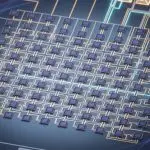
IQM is actively soliciting quantum computing research proposals with a unique proposition: direct access to its hardware for execution. This is not a typical call for theoretical papers; the company’s “Resonance” platform is designed to move beyond simulation, offering researchers a pathway to test solutions on real quantum systems. Submissions for rounds 3 and 4 will require a publicly accessible code repository, or one shared with the IQM team, to demonstrate reproducible results, signaling an emphasis on practical implementation. IQM encourages proposals spanning diverse areas, from optimization problems to improving quantum error correction capabilities and error reduction schemes; as they state, “We encourage you to share every solution that you find interesting!”
IQM Resonance Platform Submission Requirements
IQM’s “Resonance” platform demands demonstrable results beyond theoretical proposals; submissions for rounds three and four must include a publicly accessible code repository, allowing IQM’s team to verify reproducibility of findings on their quantum hardware. This requirement signals a shift towards practical validation in quantum computing research. Researchers are not limited to specific areas, with IQM actively encouraging proposals that “improve QEC capabilities” or explore “work with Error reduction schemes,” reflecting a focus on overcoming the engineering hurdles to building functional quantum computers. The submission process begins with a scientific abstract outlining the research and its potential impact, followed by iterative refinement across subsequent rounds; later stages necessitate a presentation slide deck detailing the methodology and results alongside the crucial code repository link. IQM accepts both public and private repositories, requesting access be shared with their team for evaluation purposes, emphasizing the importance of well-documented code for replication. This emphasis on practical implementation distinguishes the “Resonance” platform from traditional academic submissions, which often prioritize theoretical advancements; IQM seeks solutions that can be directly tested and demonstrated on their systems, furthering the development of quantum technologies.
Research Proposal Focus: Quantum Computing Applications & Code Sharing
IQM’s current push for quantum computing research extends beyond theoretical exploration, actively seeking proposals designed for implementation on their physical hardware; researchers are now challenged to demonstrate practical results, not simply conceptual frameworks. This emphasis on demonstrable outcomes signals a shift toward validating quantum algorithms on actual quantum processors, moving beyond simulations. The competition welcomes proposals across diverse areas of quantum computing, including improvements to quantum error correction capabilities and novel error reduction schemes, indicating a concentrated effort on overcoming the significant hurdles to building stable, usable quantum computers. IQM states that “Your suggested piece of work may focus on the application layer and tackle an optimization problem,” broadening the scope beyond fundamental physics research. Successful proposals will not only outline a relevant problem and technical details but also provide a presentation deck alongside functional code, allowing IQM to assess the feasibility and performance of each solution on their systems; this holistic evaluation process prioritizes tangible progress in the field.

See today’s quantum computing news on Quantum Zeitgeist for the latest breakthroughs in qubits, hardware, algorithms, and industry deals.