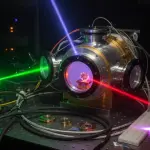
BMW Group is investing in the future of materials science through an expanded multi-year partnership with Quantinuum, aiming to unlock advancements in sustainable mobility. Since 2021, the two organizations have collaborated on research utilizing Quantinuum’s trapped-ion quantum computing architecture to simulate complex electrochemical processes crucial for technologies like fuel cells. This alliance, representing one of the longest-sustained between a commercial enterprise and a quantum computing provider, will now leverage successive generations of Quantinuum’s systems, including the Helios, Sol (planned for 2027), and Apollo (planned for 2029) computers. “Quantinuum is focused on driving commercial adoption of quantum computing through close collaboration with industry leaders on high-impact applications,” said Dr. Rajeeb Hazra, President and CEO of Quantinuum. Researchers achieved a milestone in 2024, publishing results in Nature detailing the first quantum computer simulation of catalytic performance.
BMW and Quantinuum Advance Mobility via Molecular Simulations
BMW Group and Quantinuum are leveraging the power of quantum computing to accelerate materials science research, with a specific focus on improving sustainable mobility technologies. This collaboration, initiated in 2021, represents an early and sustained commitment from a major automaker to quantum computing, preceding the recent surge in industry interest. Researchers are not pursuing broad quantum applications; instead, they are utilizing Quantinuum’s trapped-ion architecture to simulate electrochemical processes crucial for advancements in fuel cells and other energy-related technologies. This targeted approach allows for precise modeling of molecular interactions, potentially unlocking breakthroughs in material performance. This commitment to evolving hardware signifies a substantial, ongoing investment in quantum capabilities, representing a deeply integrated, cross-disciplinary effort.
BMW Group’s Dr. Martin Tietze explained, “We have been exploring quantum computing for many years,” and added, “Together with partners such as Quantinuum, we translate advances in quantum hardware into real-world applications, including materials optimization, supporting the development of future vehicle generations.” Current research focuses on optimizing platinum catalysts for oxygen reduction reactions, aiming to reduce costs and enhance energy efficiency, demonstrating a clear pathway from quantum simulation to tangible automotive improvements.
Helios, Sol, and Apollo Systems Drive Quantum Hardware Access
The pursuit of commercially viable quantum computing is increasingly anchored in long-term hardware commitments, as evidenced by the expanding partnership between Quantinuum and BMW Group since 2021; this relatively early collaboration for a major automaker signals a sustained investment preceding recent industry enthusiasm. Central to this sustained effort is access to successive generations of Quantinuum’s quantum computers, beginning with the current Helios system and extending to the planned Sol system in 2027 and Apollo in 2029. This phased implementation allows BMW researchers to validate progress and scale solutions as hardware capabilities advance, a strategy that moves beyond isolated research projects. The collaboration’s achievements already include a 2024 Nature publication detailing the first quantum simulation of catalytic performance alongside another commercial partner. Beyond computational power, the alliance represents a deeply integrated, cross-disciplinary effort, uniting quantum scientists, chemists, and engineers to address complex challenges. Dr.
Quantinuum is focused on driving commercial adoption of quantum computing through close collaboration with industry leaders on high-impact applications.
Dr. Rajeeb Hazra, President and CEO of Quantinuum



See today’s quantum computing news on Quantum Zeitgeist for the latest breakthroughs in qubits, hardware, algorithms, and industry deals.