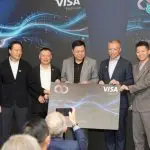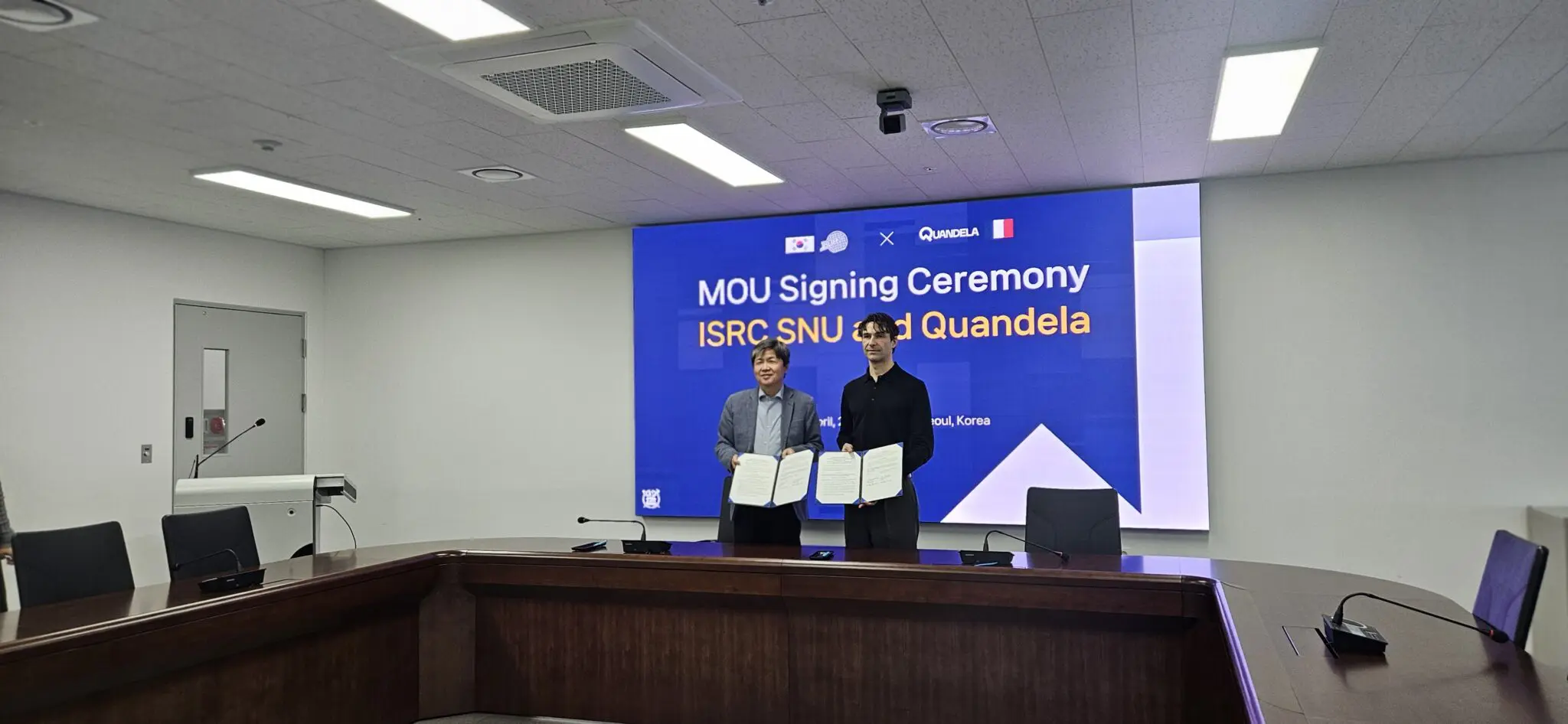
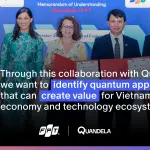
Framed by 140 years of diplomatic relations between France and South Korea, Quandela has solidified its commitment to the Asian market with the signing of two Memorandums of Understanding during a recent presidential visit. The agreements, forged with the Korea Advanced Institute of Science and Technology (KAIST), the Korea Research Institute of Standards and Science (KRISS), and Seoul National University’s Inter-University Semiconductor Research Center, aim to accelerate research and industrialization of photonic quantum computing. According to Quandela CEO Niccolo Somaschi, “The country is considered our main hub in Asia.” Our goal is to build an ecosystem where research, innovation and industrial applications of quantum technologies are closely connected and accessible. These partnerships position South Korea as a central location for Quandela’s expansion, leveraging the nation’s semiconductor expertise and research capabilities.
Quandela Strengthens South Korea Quantum Tech Partnership
A sustained period of collaboration is developing in East Asia. Quandela has strategically prioritized South Korea as its primary Asian hub for quantum technology development, a decision underscored by 140 years of diplomatic ties between France and the nation. This commitment extends beyond business ventures, becoming interwoven with high-level political and economic alignment as evidenced by the company’s participation in the recent French presidential visit. Niccolo Somaschi, Chief Executive Officer at Quandela, actively engaged with the Korean quantum ecosystem during the visit, emphasizing a dedication to accelerating the industrialization of photonic quantum computing. The company formalized this commitment by signing two Memorandums of Understanding (MoU) during the presidential visit, agreements designed to span research, device development, and early-stage industrialization. “South Korea combines semiconductor expertise with research institutions, making it a natural gateway for our photonic quantum systems,” Somaschi stated. This focus on South Korea is about building a complete ecosystem.
KAIST & KRISS Drive Photonic Quantum Computing Collaboration
The pursuit of practical quantum computation is increasingly focused on collaborative ecosystems, and South Korea has rapidly become a central node in this network. This tripartite memorandum of understanding (MoU) establishes a framework for joint research programs in photonic quantum computing, leveraging each partner’s distinct strengths. KAIST will contribute advanced research infrastructure, including open quantum fabrication capabilities, while KRISS shares expertise in precision measurement and standards; Quandela provides its photonic quantum computing platforms and cloud-based tools. This is not merely academic exchange; the collaboration aims for co-development of components and a pathway toward early-stage industrialization. Quandela’s participation in the 9th Korea, France Joint Committee on Science and Technology, and co-sponsorship of a Franco-Korean science prize, further demonstrate a commitment to long-term scientific exchange and talent development within the region.
“South Korea combines world-class semiconductor expertise with cutting-edge research institutions, making it a natural gateway for our photonic quantum systems.”
Niccolo Somaschi, cofounder & CEO at Quandela
Cybersecurity, Energy & AI Fuel Application Focus
Following the French President’s state visit to South Korea, a commemoration of 140 years of diplomatic relations, Quandela is actively shaping a focused application strategy for its quantum technologies, prioritizing cybersecurity, energy optimization, and integration with artificial intelligence. This strategic positioning leverages South Korea’s established strengths in semiconductor manufacturing, a critical component for scaling photonic quantum systems. This tripartite agreement aims to combine KAIST’s research infrastructure, KRISS’s precision measurement capabilities, and Quandela’s photonic platforms for joint research and component co-development. Beyond research, Quandela intends to translate these partnerships into practical applications; photonic quantum computing is particularly suited to hybrid approaches, offering potential in securing critical infrastructures for cybersecurity, improving efficiency in energy optimization, where even marginal efficiency gains can translate into significant economic impact, according to Somaschi, and enabling new hybrid computing approaches with AI and high-performance computing environments. This coordinated effort signals a commitment to building a robust quantum ecosystem within the region.
“The country is considered “our main hub in Asia. Our goal is to build an ecosystem where research, innovation and industrial applications of quantum technologies are closely connected and accessible.”
Niccolo Somaschi, cofounder & CEO at Quandela
See today’s quantum computing news on Quantum Zeitgeist for the latest breakthroughs in qubits, hardware, algorithms, and industry deals.