Quantum Machines (QM) is expanding its European presence with the acquisition of TU Delft spin-off QHarbor and the opening of a new office in Delft, Netherlands. This strategic move establishes a local base within a leading quantum ecosystem and bolsters QM’s development of its hybrid quantum-classical software platform, designed to work across superconducting, neutral atom, trapped ion, and spin-based qubit technologies. The QHarbor team will form the foundation of the Delft office, focusing on software-defined experimentation and system-level integration. “As an American company, this step reflects our deep investment in Europe’s quantum future and our commitment to being an integral part of this thriving ecosystem,” said Itamar Sivan, CEO and co-founder of QM. This expansion builds on QM’s existing operations in Denmark, Germany, and France, solidifying its position within key European quantum hubs.
Quantum Machines Acquires QHarbor to Expand European Presence
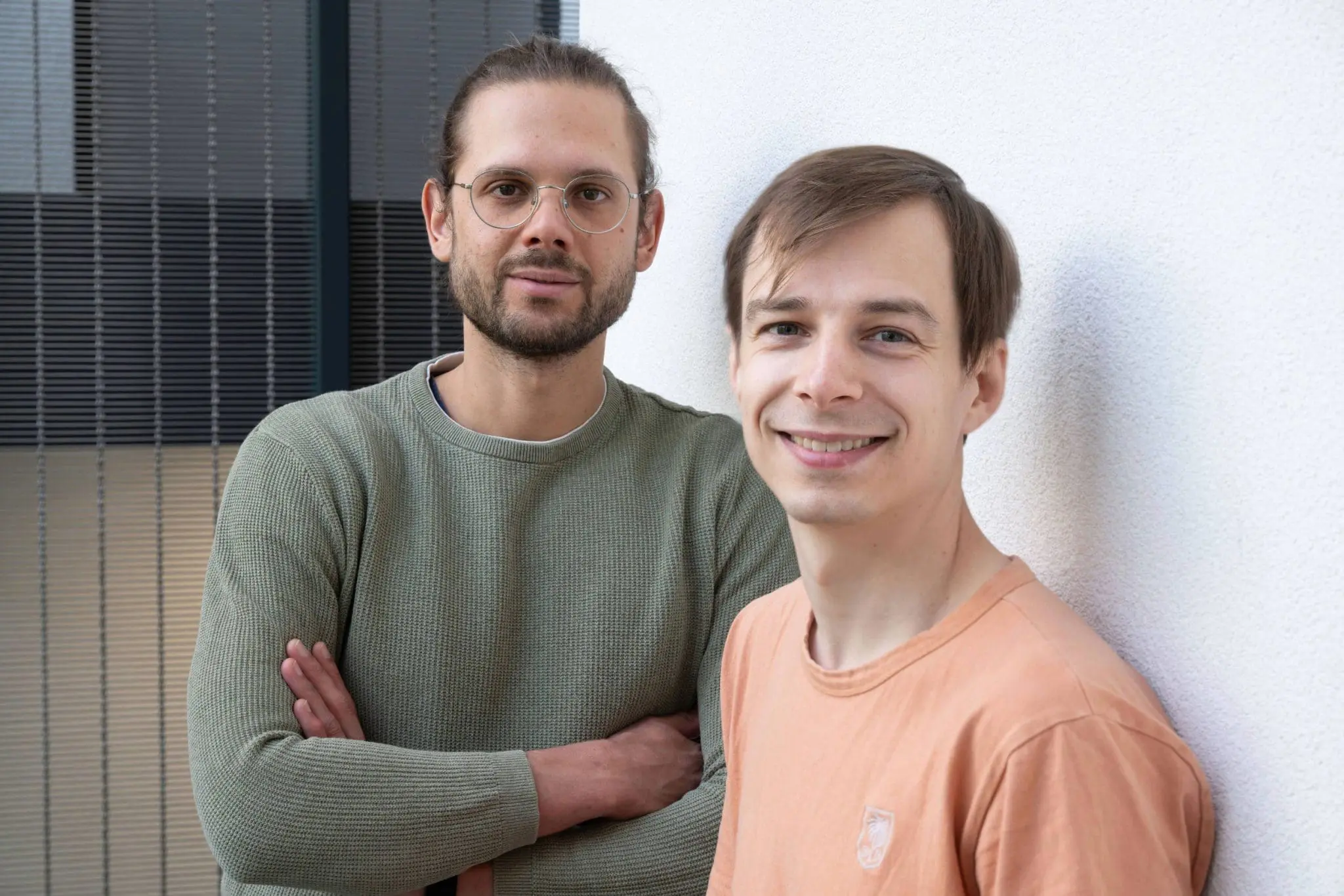
This move, formalized with the opening of a Delft office on May 5th, positions QM within a prominent European quantum technology hub and demonstrates a commitment to integrating local expertise into its software development efforts. The company intends to leverage the QHarbor team’s skills in software-defined experimentation, data management, and system-level integration to accelerate progress in scaling quantum systems. This deliberate placement within multiple key European hubs underscores the company’s ambition to facilitate regional cooperation and accelerate the development of quantum technologies across the continent. Alberto Tosato, co-founder of QHarbor, now joining QM, expressed optimism about the acquisition, stating, “Joining Quantum Machines allows us to take our work further and integrate it into a broader platform used across the quantum ecosystem.” The integration of QHarbor’s team is expected to bolster QM’s capabilities in critical areas for quantum computing advancement, supporting the development of technologies that address the challenges of scaling these complex systems and ultimately realizing the potential of quantum computation.
QM Orchestration Platform Supports Hybrid Quantum-Classical Control
Quantum control systems are rapidly evolving beyond isolated laboratory demonstrations toward integrated, scalable platforms capable of managing the complexity of hybrid quantum-classical computing; however, achieving seamless integration across diverse qubit technologies remains a significant challenge. The platform aims to streamline experimentation, data management, and overall control of quantum processors, crucial steps toward realizing practical quantum computation. The establishment of a Delft office, located within the Hubbz Delft innovation hub and opening on May 5th, signifies more than just geographical expansion; it represents a strategic investment in European quantum expertise. The QHarbor team, now integrated into QM, will be instrumental in advancing software-defined experimentation, a critical area for accelerating quantum research and development. This focus on software is particularly noteworthy, as it acknowledges the increasing importance of control systems in overcoming the limitations of current quantum hardware. By strategically positioning itself within multiple European quantum hubs, QM aims to facilitate closer collaboration and accelerate the development of a robust, interconnected quantum infrastructure across the region, ultimately supporting the scaling of quantum systems.
As an American company, this step reflects our deep investment in Europe’s quantum future and our commitment to being an integral part of this thriving ecosystem.
Itamar Sivan, CEO and co-founder of QM



See today’s quantum computing news on Quantum Zeitgeist for the latest breakthroughs in qubits, hardware, algorithms, and industry deals.