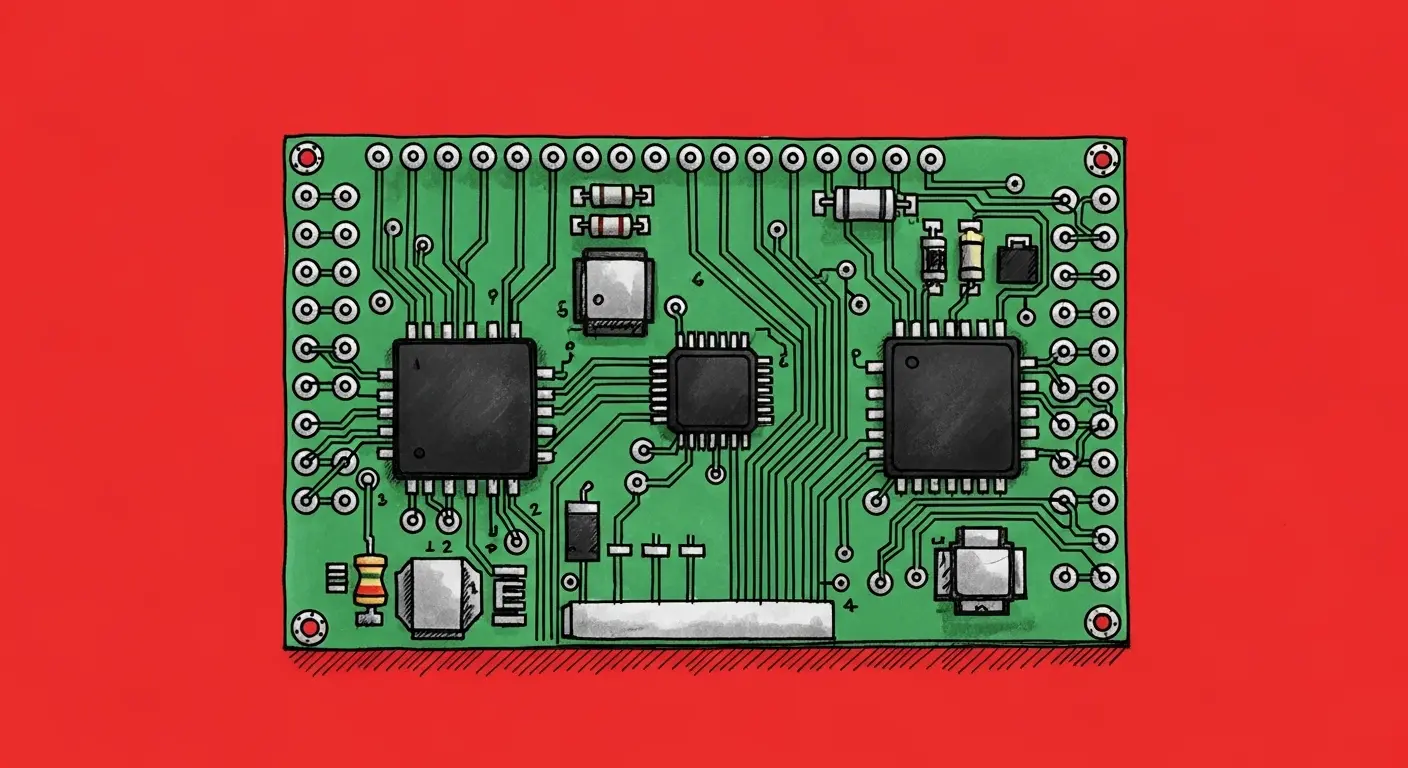
Quantum Motion is proposing a path toward widespread access to quantum computing by building qubits directly onto existing silicon chips, leveraging the high density already achieved in modern processors with hundreds of billions of functioning components. The company aims to move from bits to qubits within the same silicon hardware, a strategy that could lower the cost and complexity of building quantum computers. This approach differs from many current efforts that require specialized manufacturing processes and could allow universities and small companies to each have their own quantum computers alongside larger national facilities. “Silicon chips have already driven one technology revolution for humanity,” states Quantum Motion, “Now, by basing quantum computers on the same hardware, Quantum Motion aims to bring about a second revolution.” In 2023, the company demonstrated its founding thesis, successfully storing and processing qubits on a chip sourced from a conventional foundry. With funding from a £42 million Series B in 2022, they developed and deployed a system to their first customer, the UK’s National Quantum Computing Centre (NQCC) at Harwell. The team grew from around 30 people in 2020 to more than 120 currently.
Silicon QPU Design Leverages Existing Foundry Infrastructure
Hundreds of billions of functioning components are now routinely created within silicon chips by foundries, a manufacturing capability Quantum Motion intends to repurpose for quantum processing rather than building entirely new infrastructure. The company’s core proposition is that suitably-designed silicon chips can process quantum information, effectively transitioning “from bits to qubits” without fundamentally altering established chip manufacturing processes. This approach differs markedly from many quantum computing efforts reliant on specialized materials or fabrication techniques, potentially offering a pathway to increased scalability. Quantum Motion aims to broaden access to quantum computing power. The design process itself benefits from this reliance on established technology, utilizing the same industry-standard software employed for conventional processors with their billions of components.
This allows for rapid scaling, with the company anticipating only a slight increase in the physical footprint of a quantum computer even as qubit counts climb. “A full-scale, full-speed quantum processor in a compact form factor is the end goal: Put the power of fast, utility-scale quantum computing in ‘a box not a building’,” explains the company, highlighting the potential for widespread deployment across industries like drug discovery and finance.
Quantum Dot Qubits Utilize Electron Spin for Computation
Quantum Motion is developing a distinct approach to quantum computation by leveraging the intrinsic spin of electrons trapped within silicon quantum dots as the fundamental unit of quantum information, or qubit. Unlike many contemporary efforts focused on superconducting circuits or trapped ions, the company directly integrates quantum functionality into existing silicon chip technology, building upon decades of refinement in semiconductor manufacturing. Each qubit is formed by isolating a single electron within a nanoscale region walled off by electrodes insulated with an ultra-thin oxide layer. This electron possesses a quantum property called spin, behaving like a tiny magnet with a north or south orientation, or a superposition of both, a naturally compatible qubit for silicon. These silicon-based quantum processors require extremely low operating temperatures, maintained below 1 Kelvin, just one degree above absolute zero, to minimize interference from thermal noise.
Quantum Motion notes this temperature is achievable with existing cryostat technology and allows for continuous operation with effective heat removal. This achievement has paved the way for scaling up to quantum processors, a process facilitated by the utilization of industry-standard software already employed in the design of conventional chips with billions of components. The company states that as chips scale and become more complex with more qubits, the footprint of the quantum computer will only grow slightly, envisioning a future where quantum computing power resides.
Put the power of fast, utility-scale quantum computing in “ a box not a building ”.
Quantum Motion
£42M Series B Funding Enables NQCC System Deployment
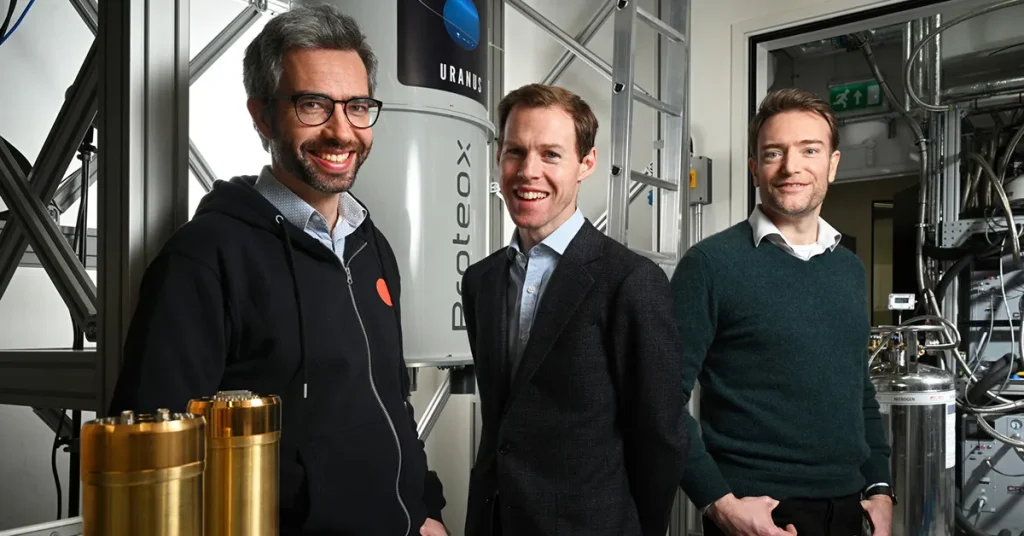
Quantum Motion has begun translating years of research into tangible hardware, recently deploying a quantum computing system to the UK’s National Quantum Computing Centre (NQCC) at Harwell following a £42 million Series B funding round in 2022. This milestone signifies a shift for the company, moving beyond scientific validation toward the creation of quantum processors capable of addressing real-world problems. The deployed system, remarkably compact at the size of three standard server racks, houses a millimetre-sized quantum processing unit (QPU) and has successfully demonstrated key functionalities including single and two-qubit gates, quantum superposition, entanglement, and reliable measurement. Quantum Motion’s ambition isn’t to build entirely new fabrication facilities, but to repurpose established technology, aiming to move “from bits to qubits” within the same silicon chip and at the same minuscule feature sizes. This design strategy utilizes industry-standard software already employed in conventional processor design, facilitating scalability as the number of qubits increases.
Cryogenic Operation Below 1 Kelvin Achieves Continuous Processing
This capability represents a significant step beyond initial scientific validation, enabling the company to focus on scaling up production toward quantum processors. While exceptionally cold, this operating temperature is within the range of existing cryogenic technology, allowing for practical, ongoing operation and efficient heat removal. The ability to maintain stable qubit performance at these temperatures is crucial because ambient thermal noise can easily disrupt the delicate quantum states. Maintaining this quantum state requires minimizing external disturbances, and the sub-Kelvin environment provides the necessary isolation. This achievement builds upon a 2023 demonstration proving that chips sourced from conventional foundries could reliably store and process qubits at the transistor scale.
See today’s quantum computing news on Quantum Zeitgeist for the latest breakthroughs in qubits, hardware, algorithms, and industry deals.