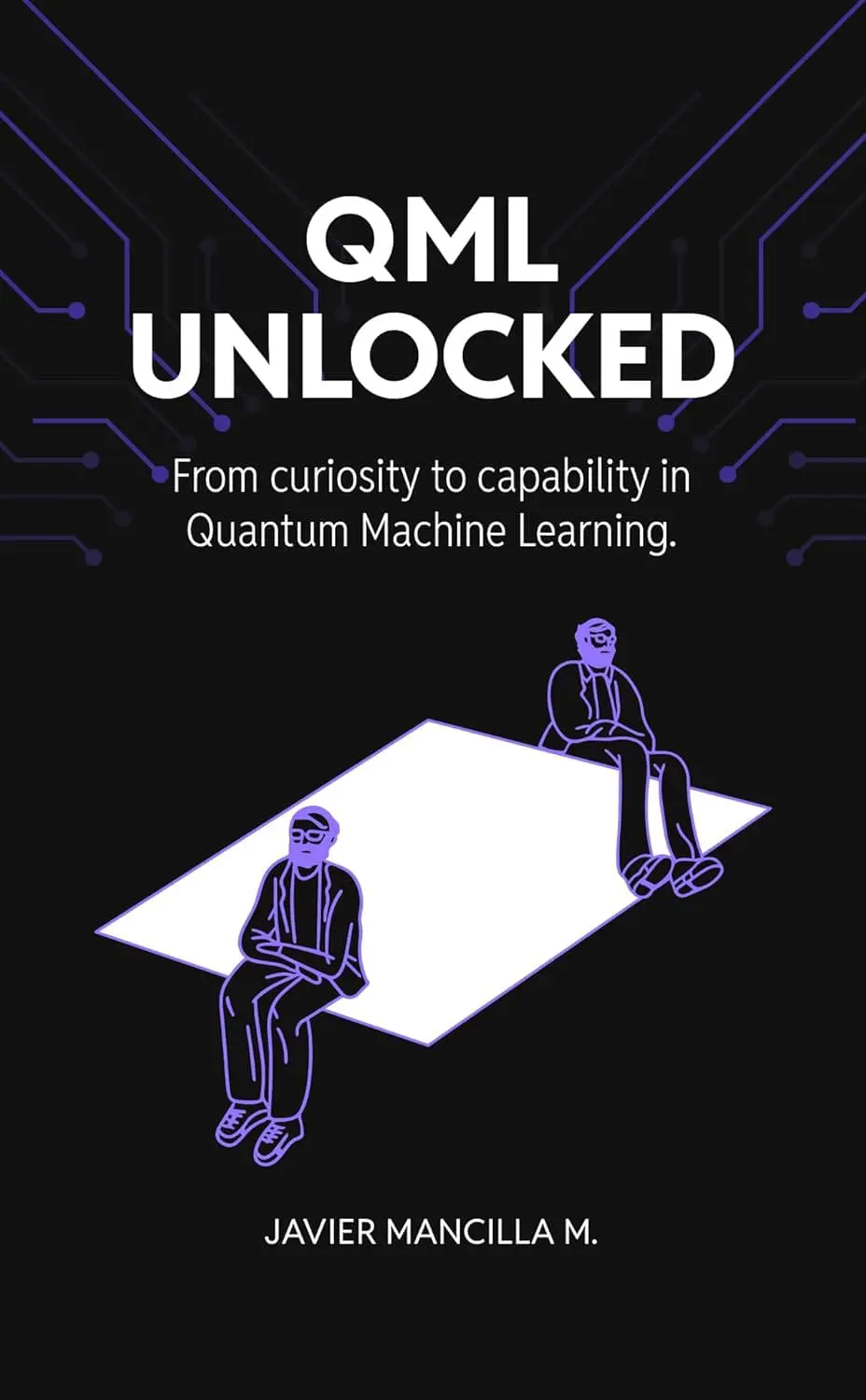
“QML Unlocked: From Curiosity to Capability in Quantum Machine Learning,” authored by Javier Mancilla Montero, serves as a comprehensive guide designed to bridge the gap between theoretical concepts and practical application in quantum machine learning (QML).
This book, targeted at data scientists, software engineers, and individuals with an interest in computing advancements, offers a hands-on approach to understanding QML through Python-based coding, minimal theory, and real-world business use cases. It demystifies quantum computing principles, explores quantum hardware such as Quantum Processing Units (QPUs), and provides insights into selecting the appropriate frameworks for experimentation.
The text also includes practical examples of quantum-enhanced machine learning techniques and extensive references for further study, making it a valuable resource for anyone seeking to explore QML without requiring an advanced physics background. The new book aims to avoid the reams of theory typically covered in quantum machine learning books.
Javier Mancilla Montero is a Quantum Computing and Machine Learning specialist with over 15+ years of experience. He has a Ph.D. in Quantum Computing and a Master’s in Data Management. He is one of the well-known and leading voices in Quantum Computing and regularly publishes on his quantum machine learning substack.
Introduction to Quantum Machine Learning
Quantum Machine Learning (QML) represents a convergence of quantum computing and machine learning, offering new approaches to solving complex problems in data analysis, optimization, and pattern recognition. This interdisciplinary field leverages the unique properties of quantum systems, such as superposition and entanglement, to enhance computational tasks that are challenging for classical computers. The book QML Unlocked provides a practical guide to understanding and implementing QML concepts without requiring extensive mathematical background or prior expertise in quantum physics.
The book emphasizes hands-on learning, focusing on Python-based frameworks like Qiskit and PennyLane, which enable readers to experiment with quantum algorithms and models. By exploring real-world applications across industries such as finance, logistics, and healthcare, the book demonstrates how QML can address specific challenges, from optimizing supply chains to improving predictive analytics.
A key aspect of QML Unlocked is its accessible approach to quantum hardware. The book explains how Quantum Processing Units (QPUs) operate, how they can be accessed via cloud services, and the considerations involved in selecting the appropriate hardware for different tasks. This practical focus ensures that readers not only understand the theoretical underpinnings of QML but also gain the skills needed to implement solutions in real-world scenarios.
Through its structured chapters, the book covers essential topics such as quantum state preparation, variational quantum classifiers, and preprocessing techniques, providing a comprehensive foundation for anyone interested in exploring this emerging field. By balancing theory with actionable code examples, QML Unlocked serves as an invaluable resource for professionals and enthusiasts alike, bridging the gap between curiosity and capability in Quantum Machine Learning.
Implementing Quantum Machine Learning Models
The book QML Unlocked provides a detailed exploration of how to implement quantum machine learning models using Python-based frameworks such as Qiskit and PennyLane. These tools enable readers to experiment with quantum algorithms and build practical solutions without requiring deep expertise in quantum physics or complex mathematics. The text emphasizes hands-on learning, offering unique code samples that demonstrate how to leverage quantum techniques for machine learning tasks.
The book focuses on understanding how to write and execute quantum machine learning models in Python. Readers are guided through the process of implementing variational quantum classifiers, support vector machines, and other key algorithms. The text also explores the importance of preprocessing classical data into quantum states, a critical step for effectively applying quantum computing principles to real-world problems.
The book further examines practical business use cases across industries such as finance, logistics, and healthcare. By demonstrating how QML can address specific challenges in these fields, the text highlights the potential for quantum computing to deliver actionable insights and optimize decision-making processes. This focus on real-world applications ensures that readers not only understand the theoretical foundations of QML but also gain the skills needed to implement solutions in practice.
Through its structured approach, QML Unlocked serves as a comprehensive resource for professionals and enthusiasts looking to explore the emerging field of quantum machine learning. By balancing theory with actionable code examples, the book bridges the gap between curiosity and capability, enabling readers to confidently apply quantum computing principles to solve practical problems.
Applications of Quantum Machine Learning in Business
The book explores practical applications of Quantum Machine Learning across various industries. In finance, QML can enhance portfolio optimization by leveraging quantum algorithms to analyze complex financial data more efficiently than classical methods. This approach enables better risk assessment and return prediction, providing a competitive edge in dynamic markets.
In logistics, QML offers solutions for optimizing supply chain management and route planning. Quantum algorithms can process vast amounts of data to identify the most efficient routes, reducing costs and improving delivery times. These optimizations are particularly valuable in large-scale operations where traditional methods may struggle with computational limits.
Healthcare is another sector benefiting from QML applications. The technology can accelerate drug discovery by simulating molecular interactions at a quantum level, significantly reducing the time and resources required for developing new treatments. Additionally, QML can improve diagnostic accuracy by analyzing medical imaging data with higher precision than classical systems.
The book emphasizes how these applications are not theoretical but achievable through existing tools and frameworks. By providing actionable code examples and practical guidance, it equips readers with the skills to implement QML solutions in real-world business contexts. This focus on applicability ensures that professionals can leverage quantum computing principles to address specific challenges across industries.
Quick Wrap Up: QML Unlocked
We think the coverage is excellent and that this book is a brilliant guide for those who want to explore more than quantum computing. Still, ultimately, what quantum computers will be actually able to do, and do usefully, is QML. What better way to get started than with this book on quantum machine learning?
- Chapter 1: Quantum Computing and Machine Learning
- Chapter 2: Do Quantum Computers Really Exist?
- Chapter 3: It’s Not Trivial to Pick a QPU
- Chapter 4: Implementing Quantum Machine Learning Models with Python
- Chapter 5: The Relevance of the Preprocessing Phase
- Chapter 6: From Classical Data to Quantum States
- Chapter 7: Support Vector Classifiers
- Chapter 8: Variational Quantum Classifiers
- Chapter 9: Promising Approaches
- Chapter 10: A Journey to Implement Yourself
More information
External Link: Click Here For More