Registration for QCamp 2024, a one-week summer school exploring quantum physics, is now open. The camp is organized by the Centre for Quantum Technologies (CQT) at the National University of Singapore. It is designed for students with a strong interest in physics and natural sciences. The program includes activities to develop technical skills and knowledge of quantum physics. Big companies like Google, IBM, and Microsoft, as well as local start-ups, are investing in quantum technologies, offering industry jobs and research opportunities. The camp is taught by CQT research staff and doctoral students.
QCamp 2024: A Quantum Leap into the World of Physics
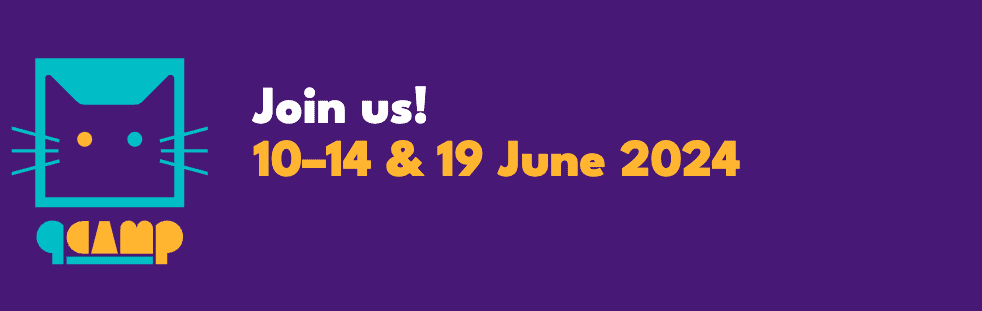
The Centre for Quantum Technologies (CQT) at the National University of Singapore has announced the opening of registration for QCamp 2024. The camp, which will run from 10-14 June, is a five-day immersive experience designed to introduce students to the fascinating world of quantum physics. Due to the high demand experienced in the previous year, a separate one-day flash QCamp has been added to the schedule on 19 June.
QCamp is a unique opportunity for students with a keen interest in physics and natural sciences to delve deeper into the realm of quantum physics. The camp aims to provide a comprehensive understanding of the physical laws that govern the smallest scales of our universe. It offers a blend of theoretical knowledge and practical demonstrations, along with career guidance for those interested in pursuing a future in this field.
Who Can Benefit from QCamp?
QCamp is primarily designed for JC2 students and students from other institutions of a similar age who have a strong fascination for physics and natural sciences. The camp encourages diversity in motivations and backgrounds, making it an ideal platform for those who are excited about learning more about the universe’s inner workings. The camp’s objective is to foster a community of like-minded students who can learn and grow together.
What Does QCamp Offer?
The camp offers a variety of activities designed to develop students’ intuition, technical skills, and conceptual knowledge of quantum physics. These activities include discussion circles, laboratory tours, experimental demonstrations, lectures, and tutorials. The camp aims to assist students in exploring their individual questions and interests in the field and navigating their future career opportunities.
The Financial Aspect of QCamp
QCamp is a free event, with no charges for the workshops and workshop materials. However, participants are expected to cover their own costs, such as transport and lunch, for attending any in-person sessions. If the camp is hosted on the NUS campus, lunch will be taken at nearby eateries.
Quantum Technologies: A Promising Career Path
With major companies like Google, IBM, and Microsoft investing in quantum technologies research, the field offers promising career opportunities. There are also several quantum technology start-ups locally. Students training in quantum technologies today are entering a field that offers both industry jobs and research opportunities. The Centre for Quantum Technologies has been offering a Specialisation in Quantum Technologies to physics undergraduates since 2019.
The QCamp is primarily taught by research staff and doctoral students at CQT. The programme has also included guest lecturers, industry talks, and a field trip to A*STAR research facilities in past years. The camp is a unique opportunity for students to gain insights into the world of quantum physics and explore potential career paths in this exciting field.
External Link: Click Here For More



See today’s quantum computing news on Quantum Zeitgeist for the latest breakthroughs in qubits, hardware, algorithms, and industry deals.