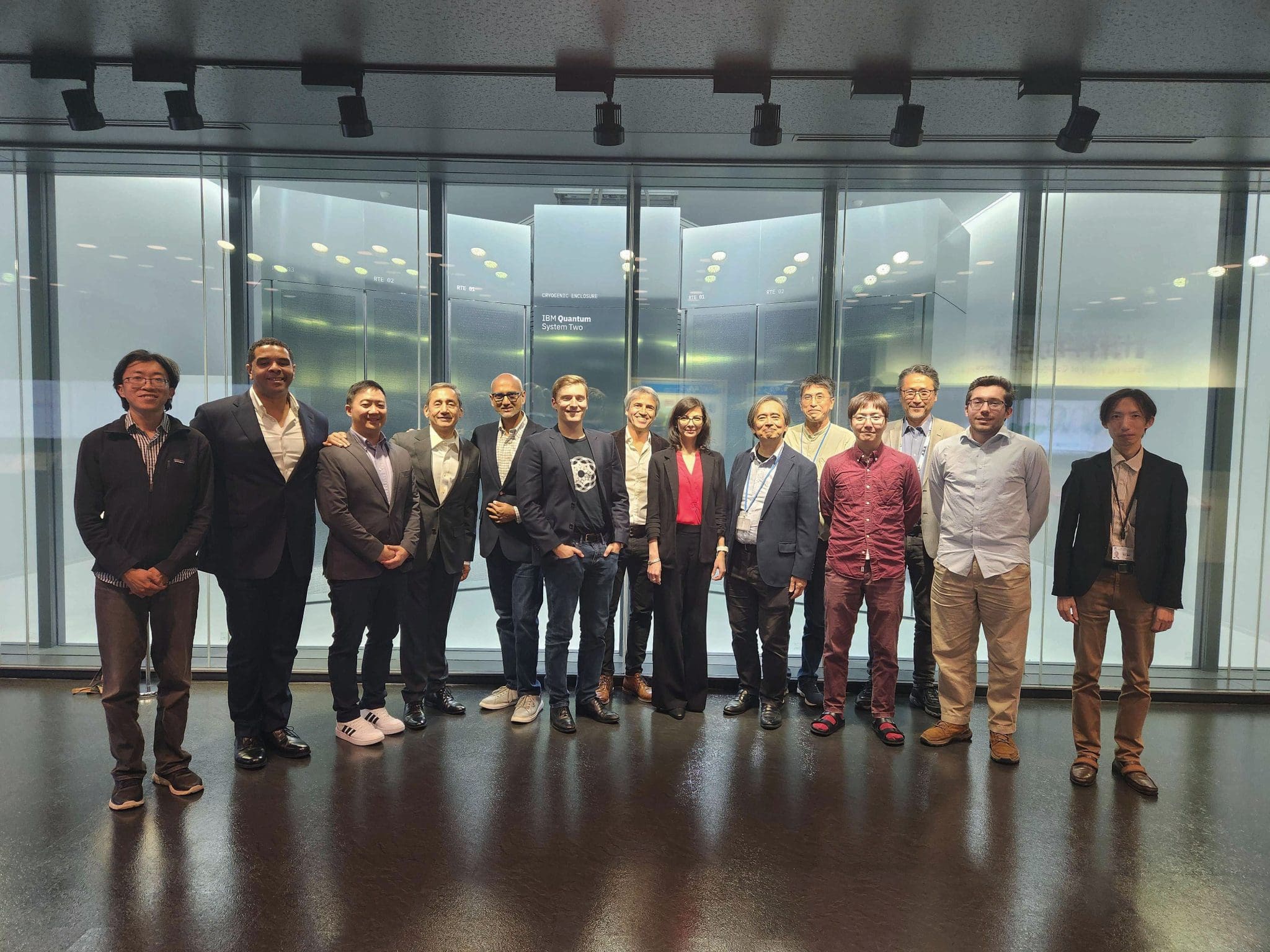
Q-CTRL and RIKEN have integrated Q-CTRL’s Fire Opal performance management software with RIKEN’s IBM Quantum System Two, deployed within the RIKEN Center for Computational Science in Kobe, Japan. This collaboration, commissioned by NEDO, aims to build a quantum-HPC integrated platform for hybrid quantum-classical workflows co-located with the Fugaku supercomputer. The integration of Fire Opal now delivers a demonstrated 1,000x improvement in accuracy and efficiency for quantum circuits utilized by dozens of research groups focused on applications including quantum chemistry and machine learning, significantly reducing computational overhead and accelerating progress toward quantum advantage.
Fire Opal and RIKEN’s IBM Quantum System Two Integration
Q-CTRL recently integrated its Fire Opal software with RIKEN’s IBM Quantum System Two, a powerful pairing housed within Japan’s premier high-performance computing center. This collaboration, part of the larger JHPC-quantum project commissioned by NEDO, aims to build a robust quantum-HPC integrated platform. By co-locating the quantum system with Japan’s Fugaku supercomputer, researchers can explore hybrid quantum-classical applications and accelerate progress in fields like quantum chemistry and machine learning.
Fire Opal’s role is critical for maximizing the performance of the IBM Quantum System Two. The software delivers automated performance management and virtualization, enabling a reported 1,000x improvement in both accuracy and efficiency. This boost reduces computational overhead, allowing RIKEN’s dozens of research groups to run more complex quantum circuits without sacrificing reliability – a major hurdle in early quantum computing.
This integration marks Q-CTRL’s first on-premises HPC deployment and its second major installation in Japan. It highlights a strategic shift toward practical quantum utility, where infrastructure software like Fire Opal is becoming as crucial as the quantum hardware itself. By abstracting away complexities, Fire Opal allows researchers to focus on scientific discovery rather than battling performance limitations, accelerating the path towards achieving quantum advantage.
Enhancing Hybrid Quantum-Classical Computing Performance
A new integration between Q-CTRL’s Fire Opal software and RIKEN’s IBM Quantum System Two is significantly boosting hybrid quantum-classical computing performance. Deployed within Japan’s premier high-performance computing center, this collaboration aims to build a quantum-HPC integrated platform. Crucially, Fire Opal’s automated performance management delivers over a 1,000x improvement in both accuracy and efficiency for quantum circuits – a substantial leap forward for complex calculations in fields like quantum chemistry and machine learning.
This performance boost isn’t achieved by altering existing quantum code. Instead, Fire Opal works behind the scenes, optimizing the execution of quantum circuits on the hardware. This abstraction is key, allowing researchers at RIKEN – spanning dozens of groups – to focus on their scientific problems without needing deep expertise in quantum hardware control. The integration represents a first on-premises HPC deployment for Q-CTRL globally, highlighting the growing demand for software-defined quantum infrastructure.
The RIKEN-Q-CTRL partnership underscores a strategic shift in quantum computing. Rather than solely pursuing hardware advancements, the focus is expanding to enable practical utility through robust software. By reducing computational overhead and enhancing accuracy, Fire Opal is helping bridge the gap between theoretical potential and real-world applications. This approach is vital for accelerating progress in quantum-HPC hybrid workflows and unlocking quantum advantage for critical scientific and industrial challenges.
Q-CTRL and RIKEN: Advancing Quantum Infrastructure Software
Q-CTRL and RIKEN have integrated Q-CTRL’s Fire Opal software with RIKEN’s IBM Quantum System Two, a key component of Japan’s JHPC-quantum project. This collaboration aims to build a powerful quantum-HPC integrated platform, co-located with the Fugaku supercomputer. The project, funded by NEDO, focuses on developing hybrid quantum-classical workflows for scientific and industrial applications. By automating performance management, Fire Opal intends to unlock greater potential from existing quantum hardware.
This integration delivers a reported 1,000x improvement in both accuracy and efficiency for quantum circuits running on the system. Fire Opal’s technology reduces computational overhead, enabling dozens of RIKEN research groups working on diverse fields—including quantum chemistry, machine learning, and physics simulations—to achieve more reliable results. The software abstracts away complexities, allowing researchers to focus on algorithm development rather than hardware-specific optimizations.
This deployment marks Q-CTRL’s first on-premises HPC integration globally and follows an earlier activation at Keio University. It highlights a growing trend towards infrastructure software being critical for realizing practical quantum advantage. By enhancing the performance of existing hardware, Fire Opal aims to bridge the gap between theoretical quantum capabilities and real-world applications, accelerating progress across multiple scientific disciplines.