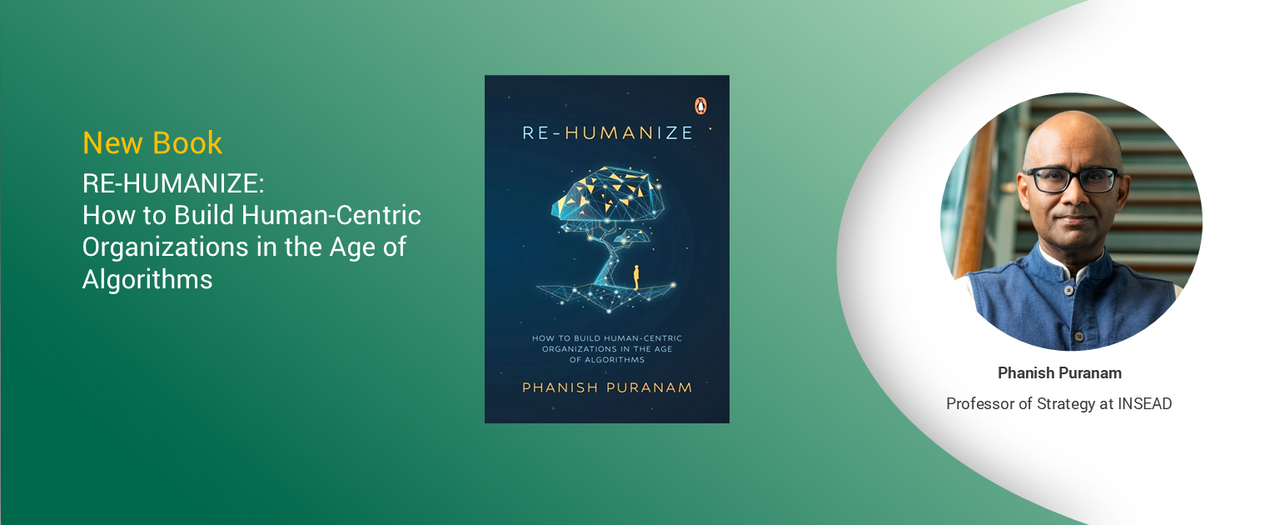
In his new book RE-UMANIZE, INSEAD Professor Phanish Puranam explores how organizations can maintain human-centric values amidst digitalization. The book addresses challenges posed by algorithms and automation, offering frameworks for integrating digital tools without compromising humanity.
It covers topics such as balancing efficiency with meaningful work, strategies for a digital division of labor that respects human dignity, democratizing organization design through technology, and practical approaches to ensure algorithms enhance rather than replace human potential. Puranam emphasizes the importance of preserving the human elements in organizations to prevent disengagement and poor performance.
The Challenge of Maintaining Human-Centric Organizations in the Age of Algorithms
As organizations grapple with the accelerating pace of digitalization, maintaining their human-centric essence has become an increasingly complex challenge. The rise of algorithms and automation introduces both opportunities and risks, forcing leaders to confront a fundamental question: Can organizations thrive in this algorithm-driven era without sacrificing their humanity? This dilemma is at the heart of Phanish Puranam’s book RE-Humanize, which offers a comprehensive roadmap for designing organizations that balance digital efficiency with human values.
Puranam highlights the paradox of digitalization, where technology can both enhance and erode human-centricity. While algorithms promise greater productivity and precision, they also risk dehumanizing workplaces by reducing employees to mere cogs in a machine. The challenge lies in creating a digital division of labor that respects human dignity, ensuring that machines complement rather than replace the unique qualities that make organizations truly human.
The book explores how digital tools can democratize organization design, empowering individuals and fostering inclusivity. However, Puranam also cautions against the potential for algorithms to reinforce or dismantle hierarchies, urging leaders to thoughtfully consider what kind of organizational structures they want to create. By integrating algorithms into organizational life focusing on humanity, organizations can avoid dehumanization and instead unlock a future where digital tools amplify human potential.
Through real-world examples and actionable frameworks, Puranam demonstrates how thoughtful design can prevent the erosion of human elements in the workplace. His work serves as both a guide for navigating digital transformation and a manifesto for preserving what makes organizations truly human. As organizations evolve in an algorithm-driven world, RE-Humanize provides a compelling vision for building meaningful, connected, and purposeful workplaces.
Frameworks for Integrating Digital Tools Without Compromising Humanity
Phanish Puranam’s RE-Humanize delves into practical frameworks for integrating digital tools into organizational life while preserving humanity. One such framework involves designing a digital division of labor that respects human dignity, ensuring that algorithms complement rather than replace the unique qualities that define human-centric organizations. This approach emphasizes the importance of aligning technological advancements with the core values of empathy, connection, and purpose that make workplaces meaningful.
Another key framework explored in the book focuses on democratizing organization design through digital tools. By empowering individuals and fostering inclusivity, organizations can create structures that reflect the diverse needs and contributions of their workforce. However, Puranam cautions against the potential for algorithms to reinforce or dismantle hierarchies, urging leaders to thoughtfully consider the kind of organizational structures they want to build.
The book also highlights the importance of integrating algorithms into organizational life with a focus on humanity. This involves creating systems where digital tools amplify human potential rather than replace it. By thoughtfully designing these systems, organizations can avoid dehumanization and unlock a future where technology serves as a tool for empowerment rather than alienation.
Through real-world examples and actionable frameworks, Puranam demonstrates how thoughtful design can prevent the erosion of human elements in the workplace. His work underscores the importance of balancing digital efficiency with human values, ensuring that organizations remain meaningful, connected, and purposeful in an increasingly algorithm-driven world.
Preserving Human Elements in a Digitally Driven World
As organizations navigate the complexities of digital transformation, the challenge of preserving human elements in a digitally driven world remains paramount. Phanish Puranam’s RE-Humanize provides a nuanced exploration of how organizations can integrate algorithms and automation while maintaining their humanity. Central to this discussion is the paradox of digitalization: while technology offers unprecedented opportunities for efficiency and innovation, it also poses risks of dehumanization by reducing employees to mere components of a system.
To address this challenge, Puranam advocates for a thoughtful approach to the digital division of labor. His frameworks emphasize the importance of designing systems where algorithms complement human capabilities rather than replace them. This requires leaders to prioritize human dignity and ensure that technology enhances, rather than diminishes, the meaningfulness of work. By aligning technological advancements with core human values such as empathy, connection, and purpose, organizations can create workplaces that remain both efficient and humane.
Another critical aspect of Puranam’s work is his focus on democratizing organization design through digital tools. He highlights how technology can empower individuals and foster inclusivity, enabling organizations to reflect the diverse needs and contributions of their workforce. However, he also cautions against the potential for algorithms to reinforce or disrupt existing hierarchies, urging leaders to approach these changes with intentionality and awareness.
Ultimately, RE-Humanize offers a compelling vision for building workplaces that remain meaningful, connected, and purposeful in an increasingly algorithm-driven world. Through real-world examples and actionable frameworks, Puranam demonstrates how thoughtful design can prevent the erosion of human elements while harnessing the benefits of digital innovation. His work serves as both a guide for navigating the complexities of digital transformation and a manifesto for preserving the essence of what makes organizations truly human.
More information
External Link: Click Here For More