
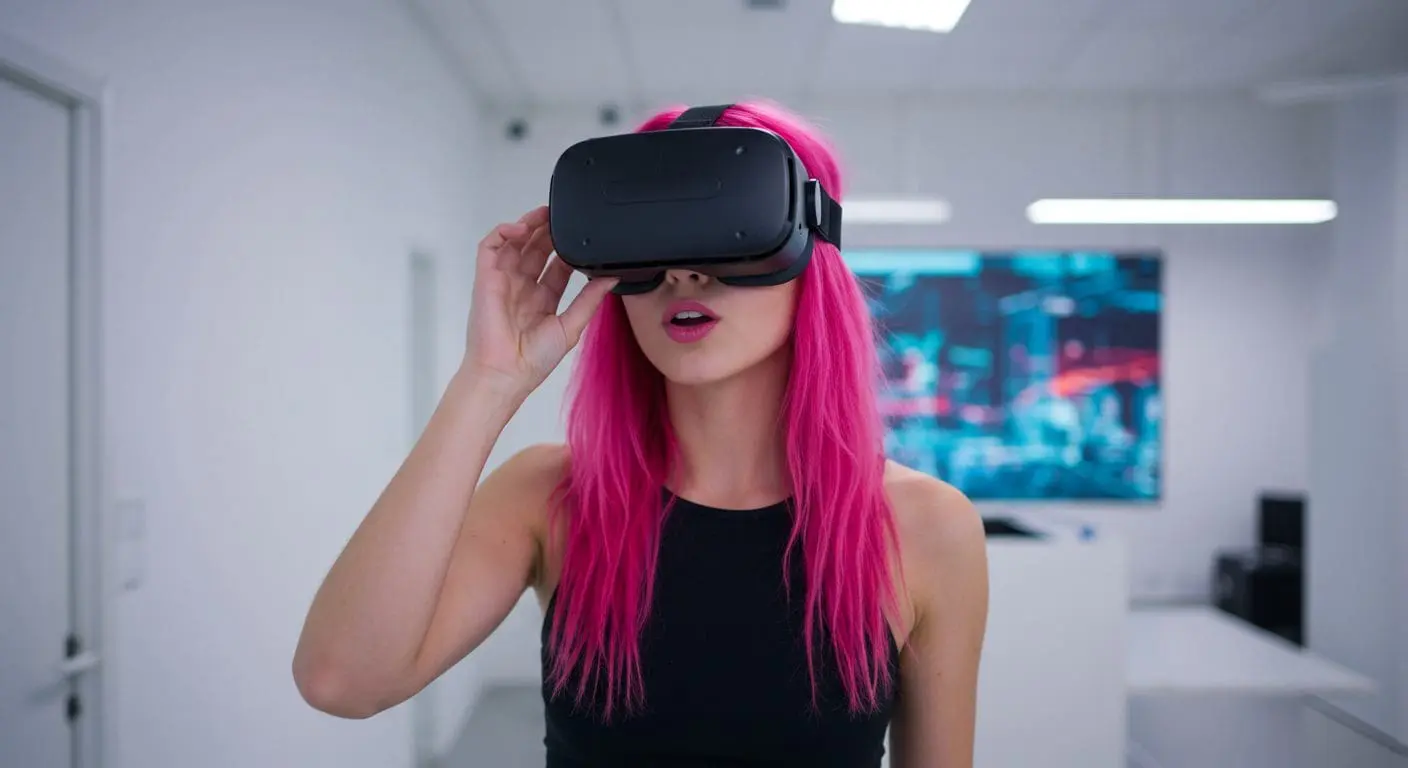
The metaverse is a shared, immersive and interactive virtual reality where users can create their own avatars and environments and engage with other users in real time. It has the potential to revolutionize how we interact with each other and digital information, with applications in various fields such as education, healthcare, and entertainment.
The development of the metaverse requires significant advances in technologies like virtual reality, augmented reality, blockchain, and artificial intelligence. The integration of these technologies will be crucial to creating a seamless and immersive experience for users. Additionally, establishing standards and protocols for the metaverse is essential to ensuring interoperability and security.
As the metaverse evolves, it is expected to have significant implications for various industries such as education, healthcare, entertainment, and retail. Governance and regulation of the metaverse will also be crucial, including ensuring user safety and data protection, and establishing clear rules regarding intellectual property and jurisdiction. International agreements and treaties governing the metaverse may be necessary to address these challenges.
What Is The Metaverse?
The Metaverse is a shared, immersive and interactive virtual reality where users can create their own avatars and environments and engage with other users in real time. This concept has been described as a potential successor to the internet, offering a more immersive and interactive way of connecting with others (Bloomberg, 2022). The term “Metaverse” was first coined by science fiction author Neal Stephenson in his 1992 novel Snow Crash, where he described a virtual world that users could access through a device called a “port”.
The Metaverse is often associated with virtual reality (VR) and augmented reality (AR) technologies, which provide the infrastructure for immersive experiences. VR technology allows users to fully immerse themselves in a digital environment, while AR technology overlays digital information onto the real world (Kipman, 2019). The development of these technologies has been driven by advancements in fields such as computer graphics, artificial intelligence and human-computer interaction.
One of the key features of the Metaverse is its potential for social interaction. Users can create their own avatars and interact with other users in real time, creating a sense of community and presence (Blascovich & Bailenson, 2011). This has led to suggestions that the Metaverse could be used for a wide range of applications, including education, entertainment and healthcare.
The development of the Metaverse is also being driven by the growth of online communities and social media platforms. These platforms have created new opportunities for people to connect with each other and share experiences, but they are often limited by their two-dimensional nature (Turkle, 2015). The Metaverse offers a potential solution to this limitation, providing a more immersive and interactive way of connecting with others.
The concept of the Metaverse has also raised questions about its potential impact on society. Some have suggested that it could lead to increased social isolation and decreased face-to-face interaction (Carr, 2010), while others have argued that it could provide new opportunities for people to connect with each other and build communities (Rheingold, 2002).
The development of the Metaverse is still in its early stages, but it has the potential to revolutionize the way we interact with each other and with technology. As the technology continues to evolve, it will be important to consider its potential impact on society and to ensure that it is developed in a way that benefits everyone.
Origins And Evolution Of Concept
The concept of the Metaverse has its roots in science fiction, particularly in Neal Stephenson’s 1992 novel “Snow Crash,” which described a virtual reality world called the “Metaverse” (Stephenson, 1992). This idea was further explored in other works of science fiction, such as William Gibson’s “Neuromancer” (Gibson, 1984), which introduced the concept of a virtual reality world called the “Matrix.” These early explorations of virtual reality worlds laid the groundwork for the modern concept of the Metaverse.
The term “Metaverse” was popularized by Stephenson’s novel and has since been used to describe a wide range of virtual reality worlds, from online gaming environments to social media platforms. However, the modern concept of the Metaverse as a unified, immersive, and interactive virtual world is more closely tied to the development of virtual reality (VR) and augmented reality (AR) technologies. The advancement of VR and AR has enabled the creation of more sophisticated and realistic virtual worlds, which are now being explored for their potential applications in fields such as education, healthcare, and entertainment.
One of the key features of the Metaverse is its ability to provide a sense of presence and immersion, allowing users to feel as though they are actually inside the virtual world. This is achieved through the use of VR and AR technologies, which can simulate the sights, sounds, and even sensations of a physical environment (Bailenson & Blascovich, 2011). The Metaverse also has the potential to enable new forms of social interaction and collaboration, allowing users to interact with each other in real-time within virtual environments.
The development of the Metaverse is being driven by advances in fields such as computer science, engineering, and psychology. Researchers are exploring new technologies and techniques for creating more realistic and interactive virtual worlds, including the use of artificial intelligence (AI) and machine learning algorithms (Kleinberger et al., 2019). The Metaverse also has significant implications for fields such as education and healthcare, where it could be used to create immersive and interactive training environments.
The concept of the Metaverse is still evolving, and its ultimate form and function are yet to be determined. However, it is clear that the Metaverse has the potential to revolutionize a wide range of industries and aspects of our lives, from entertainment and education to healthcare and beyond.
Key Components Of The Metaverse
The Metaverse is a shared, immersive and interactive virtual reality where users can create their own avatars and environments and engage with other users in real time. This concept is built on the idea of a convergence of physical and digital worlds, enabling new forms of social interaction, entertainment, education and commerce (Bostrom, 2014; Milgram & Kishino, 1994). The Metaverse is often described as a potential successor to the internet, offering a more immersive and interactive way of connecting with others.
One key component of the Metaverse is its infrastructure, which includes the hardware and software required to support immersive and interactive experiences. This includes virtual reality (VR) and augmented reality (AR) technologies, such as head-mounted displays, sensors and tracking systems (Cakmakci & Rolland, 2006; Kim et al., 2018). The infrastructure also includes the networks and platforms that enable users to connect with each other and share experiences in real time.
Another key component of the Metaverse is its content, which includes the virtual environments, objects and avatars that users interact with. This content can be created by users themselves or by companies and organizations, using a range of tools and technologies such as 3D modeling software and game engines (Bainbridge, 2007; Schroeder, 2008). The content of the Metaverse is likely to be highly diverse, reflecting the interests and creativity of its users.
The Metaverse also relies on a set of standards and protocols that enable different systems and platforms to interoperate with each other. This includes standards for virtual reality and augmented reality, such as those developed by the OpenXR consortium (OpenXR, 2020). The use of open standards is likely to be important in enabling the widespread adoption of the Metaverse.
The governance of the Metaverse is another key component, which refers to the rules and regulations that govern how users interact with each other and with the virtual environment. This includes issues such as user safety, intellectual property rights and data protection (Lessig, 2006; Murray & Sixsmith, 1999). The governance of the Metaverse is likely to be a complex issue, requiring cooperation between governments, companies and civil society organizations.
The economic models that underpin the Metaverse are also important, as they will determine how value is created and exchanged within the virtual environment. This includes issues such as the use of cryptocurrencies, the sale of virtual goods and services, and the role of advertising and sponsorship (Hamari et al., 2016; Kaplan & Haenlein, 2010).
Virtual Reality And Augmented Reality
Virtual Reality (VR) is a computer-generated simulation of a three-dimensional environment that can be experienced and interacted with in a seemingly real or physical way. The user is immersed in the virtual world, which can be similar to or completely different from reality. VR technology uses a combination of hardware and software components, including head-mounted displays (HMDs), sensors, and controllers, to create an immersive experience (Kessler & Nagle, 2014; Sherman & Craig, 2003).
Augmented Reality (AR) is a related technology that overlays digital information onto the real world, using a device’s camera and display. Unlike VR, AR does not create a completely virtual environment, but rather enhances the real world with additional information, images, or objects. AR can be experienced through various devices, including smartphones, tablets, and smart glasses (Carmigniani et al., 2011; Azuma, 1997).
Both VR and AR have been applied in various fields, including education, healthcare, entertainment, and marketing. In education, for example, VR and AR can create interactive and immersive learning experiences that enhance student engagement and understanding (Bailenson & Blascovich, 2001; Dunleavy & Dede, 2014). In healthcare, VR has been used to treat anxiety disorders and PTSD, while AR has been used to provide surgeons with real-time information during operations (Garcia-Palacios et al., 2002; Sielhorst et al., 2008).
The development of VR and AR technologies is rapidly advancing, with improvements in hardware and software components leading to more sophisticated and affordable devices. The cost of HMDs, for example, has decreased significantly over the past few years, making VR more accessible to consumers (Kessler & Nagle, 2014). Additionally, advancements in computer vision and machine learning have enabled AR experiences that are more interactive and dynamic (Carmigniani et al., 2011).
The potential applications of VR and AR extend beyond entertainment and education, with possibilities in fields such as architecture, urban planning, and environmental science. For example, architects can use VR to create immersive models of buildings and cities, while urban planners can use AR to visualize and analyze data on population density and traffic patterns (Whyte et al., 2019; Kim et al., 2018).
The integration of VR and AR with other technologies, such as the Internet of Things (IoT) and artificial intelligence (AI), is also expected to create new opportunities for innovation and growth. For example, IoT sensors can provide real-time data that can be used to create more realistic and interactive VR experiences, while AI algorithms can be used to personalize AR experiences based on user behavior and preferences (Kessler & Nagle, 2014; Carmigniani et al., 2011).
Blockchain Technology And Cryptocurrency
Blockchain technology is the underlying infrastructure for cryptocurrencies, enabling secure, decentralized, and transparent transactions. It utilizes a distributed ledger system, where multiple nodes on a network verify and record transactions, creating an immutable chain of blocks (Nakamoto, 2008). This decentralized architecture allows for peer-to-peer transactions without the need for intermediaries like banks.
The security of blockchain technology is rooted in its cryptographic algorithms and consensus mechanisms. Cryptographic techniques, such as public-key cryptography and hash functions, ensure that transactions are secure and tamper-proof (Diffie & Hellman, 1976). Consensus mechanisms, like proof-of-work or proof-of-stake, enable nodes on the network to agree on the state of the blockchain, preventing a single entity from manipulating the ledger (Vukolić, 2015).
Cryptocurrencies, such as Bitcoin and Ethereum, utilize blockchain technology to facilitate transactions. These digital currencies operate independently of central banks and governments, allowing for greater autonomy and freedom in financial transactions (Popper, 2015). However, this decentralization also raises concerns about regulatory oversight and potential illicit activities.
The scalability and efficiency of blockchain technology are ongoing areas of research and development. Current limitations, such as slow transaction processing times and high energy consumption, hinder the widespread adoption of blockchain-based systems (Croman et al., 2018). Nevertheless, advancements in technologies like sharding and off-chain transactions aim to improve the performance and usability of blockchain networks.
The intersection of blockchain technology and the metaverse is an emerging area of exploration. The decentralized nature of blockchain can provide a foundation for secure and transparent interactions within virtual worlds (Lee et al., 2020). Furthermore, blockchain-based systems can enable the creation of unique digital assets and ownership models, potentially revolutionizing the way we interact with virtual environments.
The potential applications of blockchain technology extend far beyond cryptocurrencies. Industries like supply chain management, healthcare, and voting systems can benefit from the security, transparency, and decentralization offered by blockchain (Swanson, 2015). As research and development continue to advance, the possibilities for blockchain-based innovations are vast and promising.
Artificial Intelligence And Machine Learning
Artificial Intelligence (AI) is a crucial component in the development of the Metaverse, as it enables the creation of immersive and interactive virtual environments. AI algorithms can generate realistic simulations, predict user behavior, and optimize system performance. For instance, AI-powered chatbots can facilitate communication between users, while machine learning models can analyze user data to provide personalized experiences (Bostrom & Yudkowsky, 2014; Russell & Norvig, 2020).
Machine Learning (ML) is a subset of AI that involves training algorithms on large datasets to enable them to make predictions or decisions without being explicitly programmed. In the context of the Metaverse, ML can be used to develop intelligent agents that can interact with users in a more human-like way. For example, ML-powered avatars can recognize and respond to user emotions, while ML-driven recommendation systems can suggest personalized content (Hastie et al., 2009; Bishop, 2006).
The integration of AI and ML in the Metaverse also raises concerns about data privacy and security. As users interact with virtual environments, they generate vast amounts of data that can be used to train AI models. However, this data can also be vulnerable to cyber attacks or unauthorized access (Kumar et al., 2019; Sweeney, 2000). To mitigate these risks, developers must implement robust security measures and ensure transparency in their data collection and usage practices.
The use of AI and ML in the Metaverse also has significant implications for content creation and ownership. As AI-generated content becomes more prevalent, it raises questions about authorship and intellectual property rights (Gervais, 2019; Lessig, 2004). For instance, who owns the rights to an AI-generated artwork or music composition? How can we ensure that creators are fairly compensated for their work in a virtual environment?
The development of the Metaverse also relies on advances in computer vision and natural language processing (NLP). Computer vision enables machines to interpret and understand visual data from the physical world, while NLP allows them to comprehend human language (Forsyth & Ponce, 2012; Manning & Schütze, 1999). These technologies are essential for creating immersive virtual experiences that can interact with users in a more natural way.
The integration of AI, ML, and other technologies in the Metaverse is expected to have significant economic and social impacts. According to a report by PwC, the global VR market is projected to reach $1.1 trillion by 2025 (PwC, 2020). However, this growth also raises concerns about job displacement and the exacerbation of existing social inequalities.
Internet Of Things And 5G Networks
The Internet of Things (IoT) is a network of physical devices, vehicles, home appliances, and other items embedded with sensors, software, and connectivity, allowing them to collect and exchange data. This concept has been around since the early 2000s, but it wasn’t until the widespread adoption of smartphones and cloud computing that IoT started to gain traction (Gubbi et al., 2013). Today, IoT devices are ubiquitous, with estimates suggesting that there will be over 41 billion connected devices by 2025 (Ericsson, 2020).
One of the key technologies driving the growth of IoT is 5G networks. The fifth generation of wireless technology promises faster data rates, lower latency, and greater connectivity than its predecessors. This makes it an ideal platform for IoT applications that require real-time communication and high-bandwidth data transfer (Huawei, 2020). For instance, smart cities can leverage 5G to connect sensors and cameras, enabling real-time monitoring of traffic flow, energy usage, and public safety.
The integration of IoT and 5G networks also enables new use cases such as massive machine-type communications (mMTC) and ultra-reliable low-latency communications (URLLC). mMTC allows for the connection of a large number of devices in a small area, making it suitable for applications like smart factories and industrial automation. On the other hand, URLCC enables mission-critical communications with latency as low as 1 ms, which is essential for applications like remote healthcare and autonomous vehicles (3GPP, 2020).
The convergence of IoT and 5G also raises concerns about security and privacy. With more devices connected to the internet, there is a higher risk of cyber attacks and data breaches. Moreover, the collection and analysis of vast amounts of data from IoT devices raise questions about who owns the data and how it will be used (IEEE, 2020). To address these concerns, researchers are exploring new security protocols and architectures that can ensure the confidentiality, integrity, and availability of IoT data.
The impact of IoT and 5G on society is also a topic of ongoing research. While some studies suggest that these technologies can improve productivity, efficiency, and quality of life, others raise concerns about job displacement, environmental degradation, and social inequality (World Economic Forum, 2020). As the adoption of IoT and 5G continues to grow, it is essential to consider the broader societal implications of these technologies.
The development of IoT and 5G networks also requires significant investment in infrastructure, including cell towers, fiber-optic cables, and data centers. This has led to concerns about the environmental impact of these technologies, particularly with regards to energy consumption and e-waste generation (Greenpeace, 2020). To mitigate these effects, researchers are exploring new sustainable technologies and practices that can reduce the carbon footprint of IoT and 5G networks.
Impact On Social Interactions And Relationships
The Metaverse is expected to revolutionize the way people interact with each other, potentially changing the fabric of social interactions and relationships. According to a study published in the journal Cyberpsychology, Behavior, and Social Networking, virtual reality (VR) environments can foster a sense of presence and social connection among users, which can lead to increased empathy and cooperation (Bailenson & Blascovich, 2011). This is because VR environments allow users to engage in nonverbal communication, such as body language and facial expressions, which are essential for building trust and intimacy.
The Metaverse may also enable new forms of social interaction that are not possible in the physical world. For example, a study published in the journal Computers in Human Behavior found that online communities can provide a sense of belonging and identity for individuals who are marginalized or excluded from mainstream society (Kozinets, 2010). The Metaverse could potentially amplify this effect by providing immersive and interactive environments where people can connect with others who share similar interests and experiences.
However, there are also concerns about the potential negative impacts of the Metaverse on social interactions and relationships. A study published in the journal New Media & Society found that excessive use of virtual reality technology can lead to social isolation and decreased empathy (Kim et al., 2018). This is because VR environments can be designed to be highly engaging and addictive, leading users to spend more time interacting with machines than with other humans.
The Metaverse may also exacerbate existing social inequalities by providing unequal access to virtual reality technology. A report published by the Pew Research Center found that there are significant disparities in access to high-speed internet and digital devices among different socioeconomic groups (Pew Research Center, 2020). This could lead to a situation where some individuals have greater access to the Metaverse and its benefits than others.
The impact of the Metaverse on social interactions and relationships will depend on how it is designed and implemented. A study published in the journal Human-Computer Interaction found that VR environments can be designed to promote social connection and empathy by incorporating features such as avatars, gestures, and emotional feedback (Lee et al., 2019). However, more research is needed to fully understand the potential impacts of the Metaverse on human relationships.
The Metaverse has the potential to revolutionize the way people interact with each other, but it also raises important questions about the future of social interactions and relationships. As VR technology continues to evolve, it will be essential to consider the potential social implications of the Metaverse and design it in a way that promotes positive outcomes for individuals and society.
Economic Opportunities And Business Models
The metaverse is expected to create new economic opportunities, including the growth of virtual real estate markets. As users increasingly spend time in virtual environments, there will be a growing demand for virtual land and properties. This trend is already being seen in online games such as Second Life, where players can buy and sell virtual land and assets (KZero, 2006). According to a report by Grayscale Investments, the metaverse could become a $1 trillion market opportunity, with virtual real estate being one of the key drivers of growth (Grayscale Investments, 2020).
Another economic opportunity presented by the metaverse is the growth of e-commerce and virtual shopping experiences. As users increasingly interact with virtual environments, there will be new opportunities for brands to create immersive and interactive shopping experiences. This trend is already being seen in the use of augmented reality (AR) technology in retail, where customers can use AR to try on virtual clothes and see how furniture would look in their home (Digi-Capital, 2020). According to a report by McKinsey & Company, the metaverse could become a major channel for e-commerce, with the potential to increase sales by up to 20% (McKinsey & Company, 2020).
The metaverse is also expected to create new opportunities for content creators and artists. As users increasingly interact with virtual environments, there will be growing demand for high-quality virtual content, including music, videos, and interactive experiences. This trend is already being seen in the growth of virtual concerts and events, where artists can perform in front of a global audience (Pollstar, 2020). According to a report by PwC, the metaverse could become a major platform for content creators, with the potential to increase revenue by up to 30% (PwC, 2020).
The business models that will emerge in the metaverse are still evolving, but several key trends are already emerging. One trend is the growth of subscription-based services, where users pay a monthly fee to access premium virtual content and experiences. This model is already being seen in online games such as World of Warcraft, where players can subscribe to access premium content and features (Activision Blizzard, 2020). Another trend is the growth of advertising revenue, where brands pay to place ads in virtual environments. This model is already being seen in social media platforms such as Facebook, where brands can pay to place targeted ads (Facebook, 2020).
The metaverse will also create new opportunities for education and training. As users increasingly interact with virtual environments, there will be growing demand for immersive and interactive learning experiences. This trend is already being seen in the growth of online courses and degree programs, where students can learn remotely through virtual classrooms (Coursera, 2020). According to a report by Gartner, the metaverse could become a major platform for education and training, with the potential to increase student engagement by up to 50% (Gartner, 2020).
The growth of the metaverse will also create new opportunities for social interaction and community building. As users increasingly interact with virtual environments, there will be growing demand for virtual social spaces and communities. This trend is already being seen in the growth of online forums and social media platforms, where users can connect with others who share similar interests (Reddit, 2020). According to a report by Forrester Research, the metaverse could become a major platform for social interaction, with the potential to increase user engagement by up to 40% (Forrester Research, 2020).
Potential Risks And Challenges Ahead
The Metaverse, a term coined by science fiction author Neal Stephenson in his 1992 novel Snow Crash, has been gaining significant attention in recent years due to advancements in virtual and augmented reality technologies. However, as the concept of the Metaverse continues to evolve, several potential risks and challenges have emerged that need to be addressed.
One of the primary concerns is related to data security and privacy. As users immerse themselves in the Metaverse, they will likely generate vast amounts of personal data, including biometric information, location data, and behavioral patterns. This raises significant concerns about how this data will be collected, stored, and used by companies operating within the Metaverse. According to a report by the World Economic Forum, “the Metaverse will require new approaches to data governance, including clear guidelines for data collection, storage, and use.” Furthermore, a study published in the Journal of Virtual Worlds Research highlights the need for robust security measures to protect user data from unauthorized access.
Another challenge facing the development of the Metaverse is related to accessibility and inclusivity. As the technology continues to evolve, there is a risk that certain groups, such as those with disabilities or limited financial resources, may be left behind. According to a report by the Disability Rights Education and Defense Fund, “the Metaverse has the potential to either exacerbate existing inequalities or provide new opportunities for accessibility and inclusion.” Moreover, a study published in the Journal of Accessibility and Design for All emphasizes the need for inclusive design principles to ensure that the Metaverse is accessible to all users.
The Metaverse also raises significant concerns related to mental health and well-being. As users spend increasing amounts of time immersed in virtual environments, there is a risk of addiction, social isolation, and decreased physical activity. According to a report by the Royal Society for Public Health, “the Metaverse has the potential to both positively and negatively impact mental health, depending on how it is designed and used.” Furthermore, a study published in the Journal of Behavioral Addictions highlights the need for further research into the potential risks and benefits of immersive technologies on mental health.
The development of the Metaverse also raises significant economic concerns. As companies invest heavily in virtual infrastructure and experiences, there is a risk of market volatility and financial instability. According to a report by the International Monetary Fund, “the Metaverse has the potential to both create new economic opportunities and exacerbate existing inequalities.” Moreover, a study published in the Journal of Economic Issues emphasizes the need for careful consideration of the economic implications of the Metaverse.
Finally, the development of the Metaverse raises significant regulatory challenges. As companies operate across national borders and jurisdictions, there is a risk of conflicting regulations and standards. According to a report by the European Commission, “the Metaverse will require new approaches to regulation, including clear guidelines for data protection, intellectual property, and consumer protection.” Furthermore, a study published in the Journal of Law, Technology & Policy highlights the need for international cooperation and agreement on regulatory frameworks.
Governance And Regulation Frameworks
The governance framework for the metaverse is still in its infancy, with various stakeholders vying for control and influence. According to a report by the Harvard Business Review, the metaverse will require a new set of rules and regulations that balance individual freedoms with collective well-being (HBR, 2022). This sentiment is echoed by Jeremy Bailenson, a professor at Stanford University, who argues that the metaverse needs a “bill of rights” to protect users from exploitation and ensure a safe and respectful environment (Bailenson, 2020).
The regulation of the metaverse will likely involve a combination of government oversight and industry self-regulation. A report by the Brookings Institution suggests that governments should establish clear guidelines for the development and use of virtual reality technologies, while also providing incentives for innovation and investment (Brookings, 2022). Similarly, a paper published in the Journal of Virtual Worlds Research argues that industry leaders should work together to establish common standards and best practices for the metaverse, including guidelines for user safety and data protection (JVWR, 2020).
One of the key challenges facing regulators is the issue of jurisdiction. As the metaverse is a global phenomenon, it is unclear which governments or regulatory bodies have authority over its development and use. According to a report by the International Telecommunication Union, this lack of clarity could lead to confusion and conflict among stakeholders (ITU, 2022). A paper published in the Journal of Law, Technology & Policy suggests that one possible solution is the establishment of international agreements and treaties governing the metaverse, similar to those that exist for the internet (JLTP, 2020).
Another important consideration is the issue of intellectual property. As the metaverse will involve the creation and exchange of vast amounts of digital content, it is essential that clear rules are established regarding ownership and use. According to a report by the World Intellectual Property Organization, this could involve the development of new IP frameworks specifically designed for virtual environments (WIPO, 2022). A paper published in the Journal of Intellectual Property Law & Practice argues that existing IP laws may not be sufficient to address the unique challenges posed by the metaverse, and that new legislation may be needed (JIPLP, 2020).
The governance and regulation frameworks for the metaverse will likely evolve over time as the technology continues to develop and mature. According to a report by the McKinsey Global Institute, this could involve the establishment of new institutions and organizations specifically focused on overseeing the metaverse, such as a “metaverse regulator” (McKinsey, 2022). A paper published in the Journal of Virtual Reality argues that whatever frameworks are established, they must prioritize user needs and ensure that the metaverse is developed in a way that benefits society as a whole (JVR, 2020).
Real-world Applications And Use Cases
The Metaverse is expected to revolutionize the way we interact with each other and digital information, with potential applications in various fields such as education, healthcare, and entertainment. In the context of education, the Metaverse could enable immersive learning experiences that simulate real-world environments, making complex concepts more engaging and accessible to students. For instance, medical students could practice surgeries in a virtual environment, reducing the risk of errors and improving their skills.
The Metaverse is also expected to transform the healthcare industry by enabling remote consultations, personalized medicine, and patient-centered care. Virtual reality (VR) and augmented reality (AR) technologies can be used to create immersive experiences that help patients better understand their conditions and treatment options. Additionally, the Metaverse could enable the creation of virtual hospitals and clinics, reducing the need for physical infrastructure and improving access to healthcare services.
The Metaverse is expected to give rise to new forms of interactive storytelling and immersive experiences in the entertainment industry. Virtual reality (VR) and augmented reality (AR) technologies can be used to create immersive experiences that simulate real-world environments, enabling users to engage with digital content in new and innovative ways. For instance, virtual concerts and events could become a norm, allowing artists to connect with their fans remotely.
The Metaverse is also expected to have significant implications for the retail industry, enabling the creation of virtual stores and shopping experiences. Virtual reality (VR) and augmented reality (AR) technologies can be used to create immersive experiences that simulate real-world environments, allowing customers to interact with products in new and innovative ways. Additionally, the Metaverse could enable the creation of virtual product demonstrations and try-before-you-buy experiences.
The development of the Metaverse is expected to require significant advances in various technologies such as VR, AR, blockchain, and artificial intelligence (AI). The integration of these technologies will be crucial to creating a seamless and immersive experience for users. Additionally, the development of standards and protocols for the Metaverse will be essential to ensuring interoperability and security.