
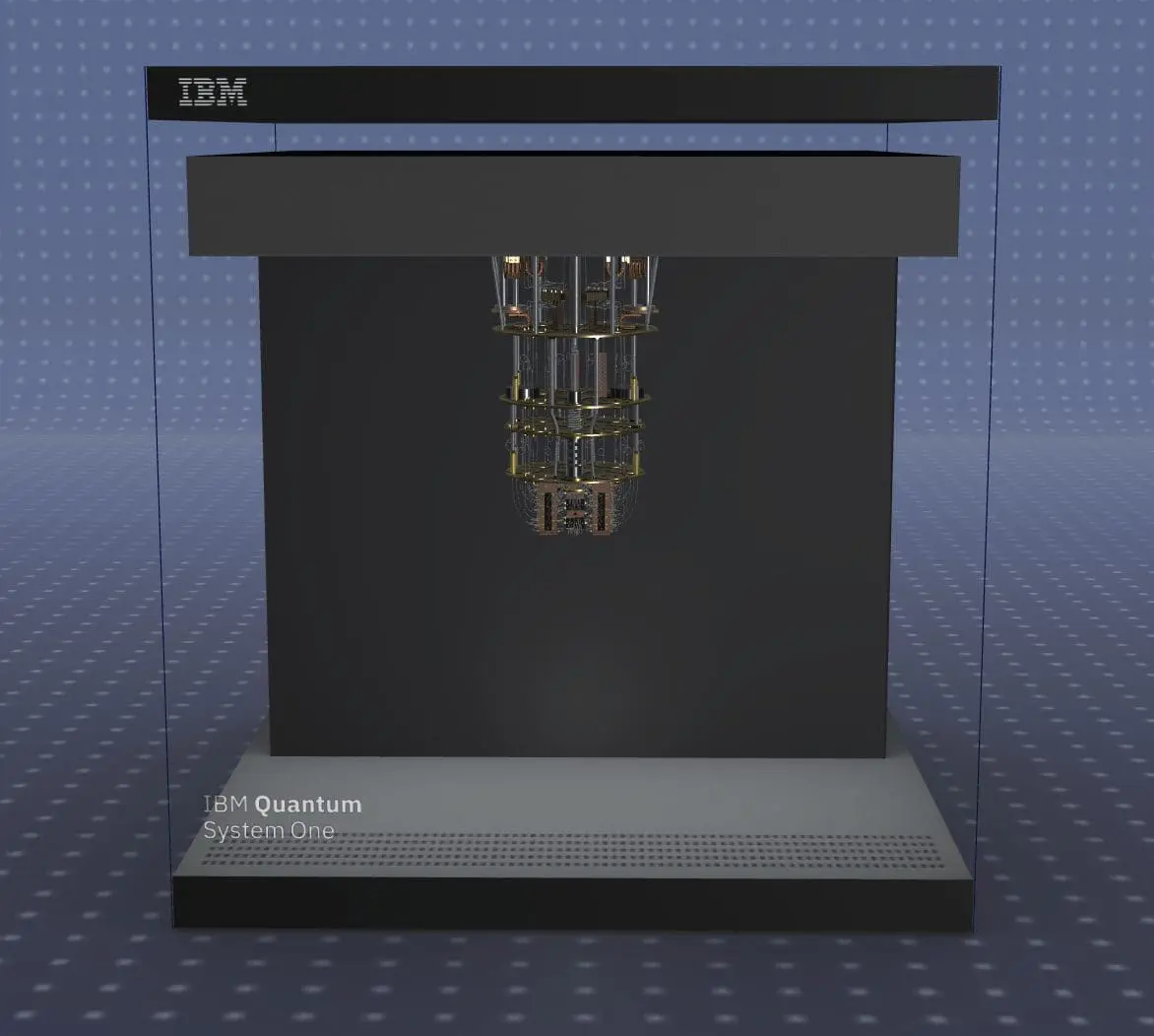
The classical world has something known as FLOPS or Floating Point Operations Per Second for measuring computing performance. When it comes down to Quantum, things get more complex. Firstly the number of qubits became a measure of progress but was rather one dimensional. To remedy this, Quantum Volume came as a way to measure the myriad properties that a quantum system exhibits. A new scheme from IBM proposes CLOPS or Circuit Layer Operations Per Second as a new Quantum Metric.
This is not a replacement for Quantum Volume, which measures how well a Quantum Computer can run certain types of circuits. Instead, CLOPS provides a measure of the speed of the quantum system. The new metric aims to be a system-agnostic metric that captures the full dependencies across hardware and software. A simple analogy might be to state Quantum Volume (QV) as a Quality metric, the number of qubits as a Scale metric, but there is no consensus on measurement of Quantum Speed, which is what the new proposal from IBM aims to address.
CLOPS is a metric correlated with how fast a quantum processor can execute circuits. The metric measures the speed at which a processor can execute layers of a parameterized model circuit of the same sort used to measure Quantum Volume. As quantum computing evolves and begins to tackle practical problems attention to how much work quantum computing systems can do in a given unit of time is under the spotlight.
Real workloads across a variety of sectors such as drug discovery or material development involve hybrid quantum-classical interactions. The quantum processor is a component of the system whilst the rest is performed with classical hardware. Such workloads can be improved with higher performance and that performance needs to be measured. The runtime system that allows for efficient quantum-classical communication will be critical to achieving high performance. IBM has embedded this runtime interaction in our proposal for the CLOPS benchmark.
Increased quantum processor speed is critical to support near-term algorithms based on the variational method, which requires thousands of iterations. The improved qubit gate times have enabled us to greatly expand the reach of current quantum systems and bring us closer to outpacing classical computing hardware
Pranav Gokhale, Founder and CEO, Super.tech
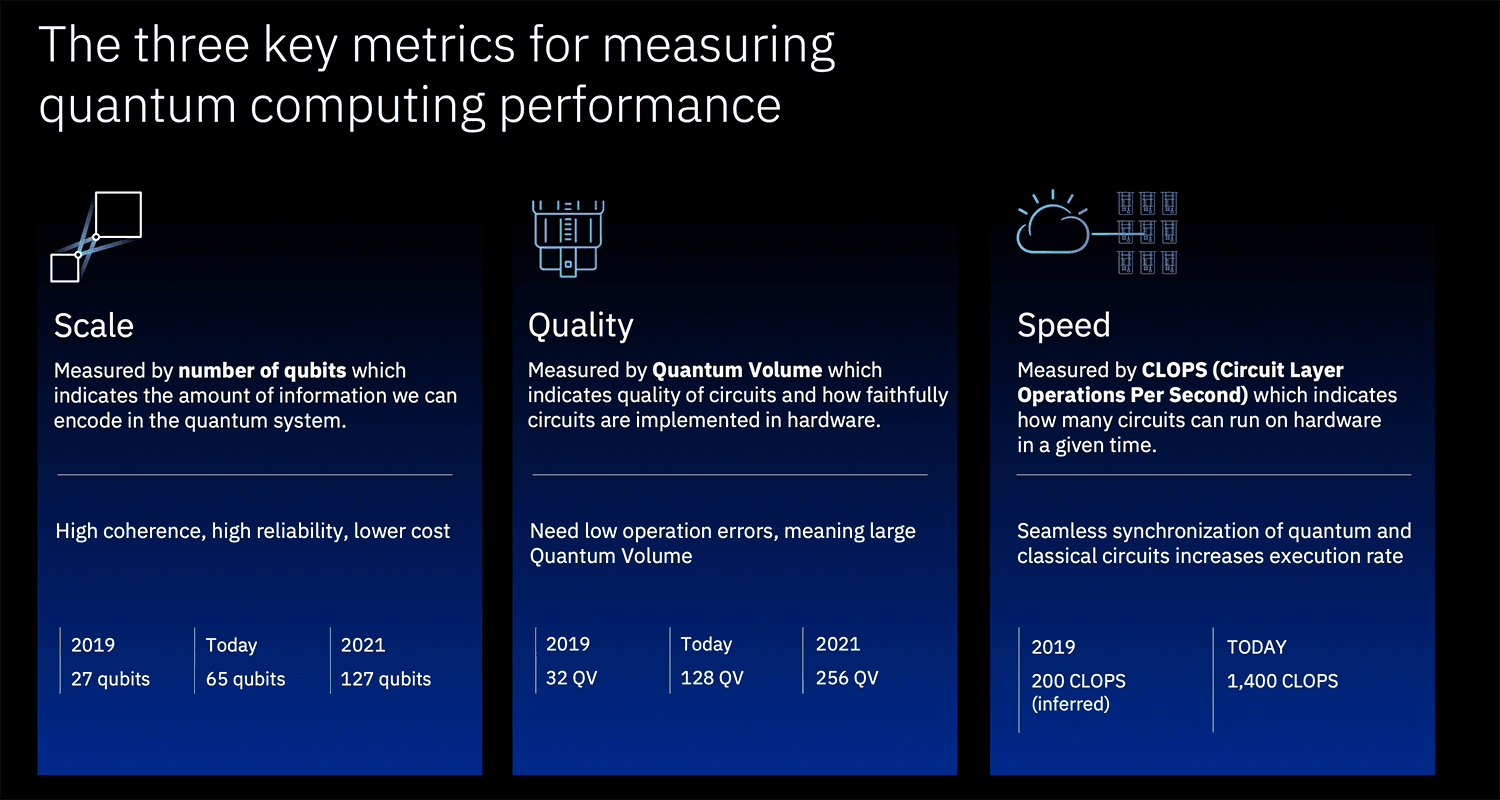
Today, our fastest systems can run up to 1,400 circuit layer operations per second.
IBM on CLOPS
IBM has been steadily making progress on all three aspects of quantum computing, Scale, Quality and Speed. The company continues to increase the number of addressable qubits and boost the Quantum Volume of its machine and with this metric, the company (or anyone for that matter) will also be able to get an even better handle on characterising quantum computers.
CLOPS is a metric correlated with how fast a quantum processor can execute circuits.