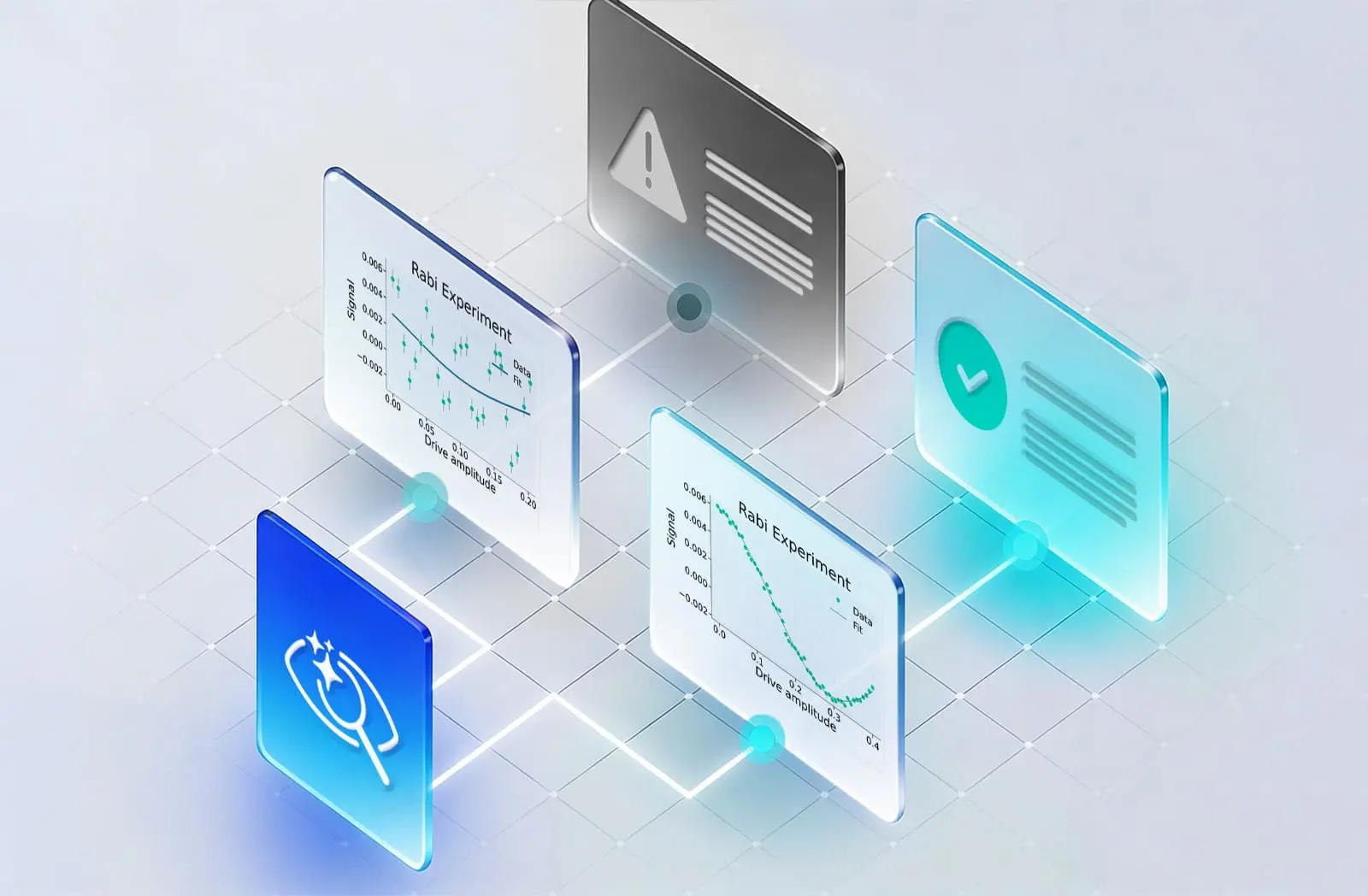
IQM Quantum Computers is addressing a critical impediment to widespread quantum computing adoption with a new approach to automated system tuning, leveraging open AI models from NVIDIA Ising. The company has moved beyond sequential methods by implementing “parallel agentic calibration,” where visual agents inspect qubits simultaneously, a necessity as the complexity of quantum processors increases. This shift aims to eliminate manual bottlenecks and reduce reliance on increasingly scarce quantum engineering expertise, making quantum computers viable for AI factories and high-performance computing environments. Juha Vartiainen, Chief Global Affairs Officer and Co-founder of IQM Quantum Computers, explains, “Calibration has always been the quiet bottleneck. If we can take that off the table, enterprises can focus on what they actually bought the machine for.” This development signals a move toward operational quantum infrastructure accessible to a broader range of institutions.
Agentic Calibration Resolves Quantum System Tuning Bottlenecks
A new approach to quantum computer calibration promises to overcome a significant obstacle to wider adoption by automating a traditionally manual and time-consuming process. IQM Quantum Computers has demonstrated an AI-driven “agentic calibration” system, leveraging NVIDIA Ising models to inspect qubits simultaneously, a departure from slower sequential methods. This parallel inspection addresses the escalating complexity of tuning quantum processors as the number of interacting qubits increases; sequential calibration struggles to keep pace with this non-linear growth. The development arrives as enterprises increasingly seek to integrate quantum computing into AI factories and high-performance computing environments, but are hampered by a scarcity of specialized quantum engineers. Sam Stanwyck, Director of Quantum Product at NVIDIA, stated, “The next generation of supercomputers will be quantum-GPU systems, and AI is what makes them operable,” highlighting the crucial role of intelligent automation in scaling quantum infrastructure. This open approach, built on NVIDIA Ising’s open AI model family, aims to establish a foundation for enterprise-level quantum ownership and development, moving beyond laboratory experimentation.
NVIDIA Ising Models Enable Parallel Qubit Inspection
Current quantum systems require meticulous, individual tuning of each qubit, but IQM’s “parallel agentic calibration” inspects qubits simultaneously, a critical shift as the number of interacting qubits, and therefore calibration demands, grows non-linearly. This advancement addresses a key limitation; sequential calibration cannot scale to meet the needs of larger quantum processors, hindering widespread adoption. Central to this automated calibration is a partnership with NVIDIA Ising, leveraging an open AI model family specifically designed for quantum computing tasks. This open architecture is intentional, aiming to reduce reliance on scarce quantum engineering expertise and making quantum infrastructure more accessible to institutions lacking specialized personnel. This collaborative effort builds on existing integrations between IQM and the NVIDIA quantum platform, supporting more readily deployable and consistently performing quantum computers.
NVIDIA Ising gives developers an open foundation to tackle quantum computing’s hardest challenges, and IQM’s agentic calibration is a pioneering demonstration of what that future looks like.
Sam Stanwyck, Director of Quantum Product at NVIDIA
IQM’s Open Architecture Supports Enterprise Quantum Adoption
IQM Quantum Computers is tackling a significant obstacle to practical quantum computing by demonstrating automated calibration techniques designed to reduce reliance on highly specialized personnel. Rather than requiring on-site quantum engineering expertise for upkeep, IQM’s new approach utilizes “agentic calibration,” leveraging artificial intelligence to maintain system performance and uptime. This shift is crucial as organizations, including those building ambitious AI factories, seek to integrate quantum processing into existing high-performance computing infrastructure. As quantum processors grow in complexity, the number of interactions between qubits increases at a non-linear rate, making traditional calibration methods unsustainable; parallel inspection offers a scalable solution.
The next generation of supercomputers will be quantum-GPU systems, and AI is what makes them operable.
Sam Stanwyck, Director of Quantum Product at NVIDIA



See today’s quantum computing news on Quantum Zeitgeist for the latest breakthroughs in qubits, hardware, algorithms, and industry deals.