The race to unlock the potential of quantum computing just received a significant boost. Oxford Instruments NanoScience is providing crucial cryogenic technology to power Oxford Quantum Circuits’ (OQC) groundbreaking new Quantum-AI Data Centre in New York – the first facility designed to seamlessly integrate quantum processing with classical AI at scale. This collaboration isn’t just about faster computers; it’s about building the infrastructure needed to translate quantum power into real-world solutions, from revolutionizing financial modelling and data security to accelerating the next generation of artificial intelligence and drug discovery. By providing the ultra-low temperatures needed for OQC’s advanced processors, Oxford Instruments is playing a pivotal role in bringing practical, scalable quantum computing closer to reality.
OQC Launches New York Quantum-AI Data Centre
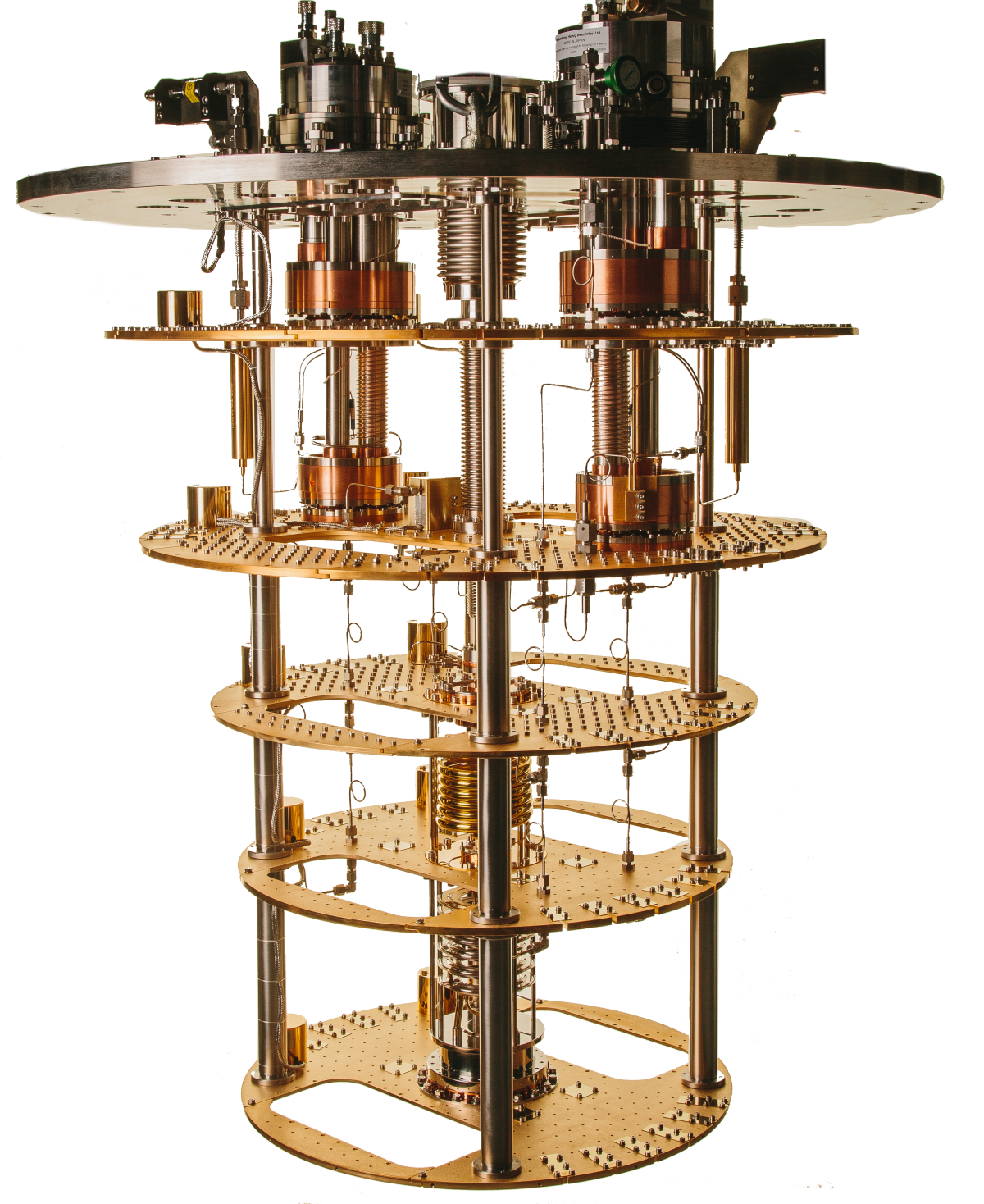
Oxford Quantum Circuits (OQC) has launched a new Quantum-AI Data Centre in New York, marking a significant step towards scalable, real-world quantum computing applications. Central to this facility is a Proteox LX dilution refrigerator from Oxford Instruments NanoScience, providing the ultra-low temperatures crucial for operating OQC’s next-generation quantum processors. This data centre is unique as the industry’s first designed to co-locate quantum computing and classical AI infrastructure at scale, powered by NVIDIA CPU/GPU Superchips and OQC’s GENESIS computer – featuring 16 logical qubits capable of over 1,000 quantum operations. The collaboration highlights a growing global quantum infrastructure, with OQC and Oxford Instruments NanoScience contributing to data centre installations across Europe, North America, and Asia. Ultimately, the centre aims to accelerate breakthroughs in fields like finance, security, and AI-driven data analysis, while the Proteox LX’s modular design ensures scalability and long-term reliability for increasingly complex superconducting qubit devices.
Proteox LX Cryorefrigerator Enables Quantum Processing
Oxford Instruments NanoScience’s Proteox LX cryorefrigerator is a key component of Oxford Quantum Circuits’ (OQC) new Quantum-AI Data Centre in New York, enabling advancements in quantum processing. Specifically designed for scaling quantum computing, the Proteox LX provides the ultra-low temperatures – achieved through dilution refrigeration – necessary for qubits to function reliably. This system supports OQC’s GENESIS computer, featuring 16 logical qubits capable of over 1,000 quantum operations, and facilitates the co-location of quantum and classical AI infrastructure. Its modular and upgradable platform allows for extensive user flexibility and integration of increasingly complex superconducting qubit devices, maximizing qubit counts and coaxial line capacity. Notably, the Proteox LX operates within the existing data centre environment without requiring additional cooling infrastructure, streamlining deployment and contributing to a globally distributed quantum computing network alongside installations in Europe and Asia.
Partnership Accelerates Global Quantum Infrastructure
A new partnership between Oxford Instruments NanoScience and Oxford Quantum Circuits (OQC) is significantly accelerating the development of global quantum infrastructure. Oxford Instruments’ Proteox LX dilution refrigerator is now a key component of OQC’s newly launched Quantum-AI Data Centre in New York, the first facility designed to co-locate quantum computing with classical AI infrastructure at scale. This integration allows OQC’s GENESIS computer – boasting 16 logical qubits and capable of over 1,000 quantum operations – to function, providing the ultra-low temperatures necessary for superconducting qubit operation. Beyond the New York facility, this collaboration contributes to a globally distributed quantum computing network, with data centres already established across Europe and Asia. The partnership aims to unlock breakthroughs in fields like finance, security, and AI, ultimately enabling practical, real-world applications of quantum computing.




See today’s quantum computing news on Quantum Zeitgeist for the latest breakthroughs in qubits, hardware, algorithms, and industry deals.