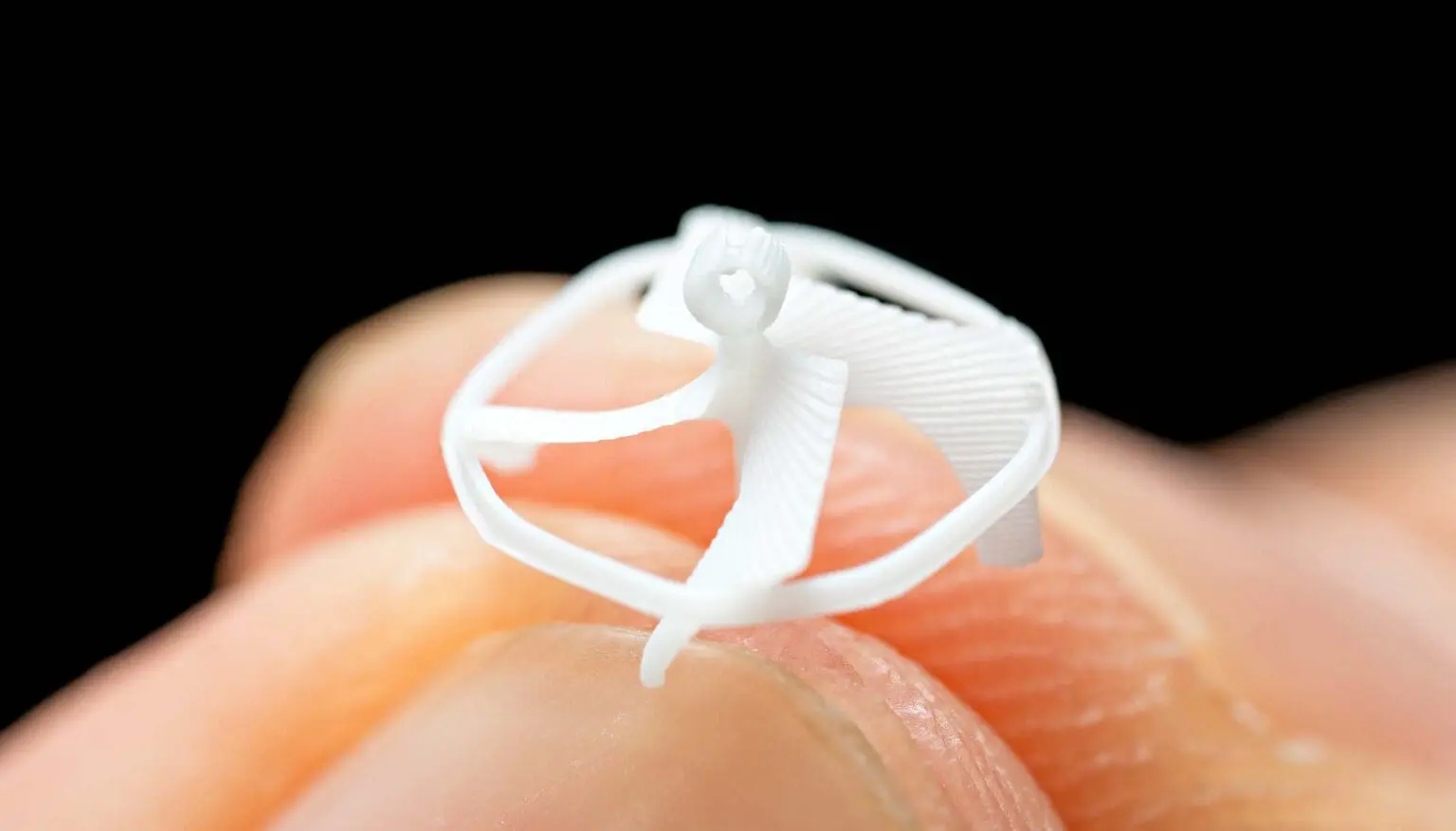
Engineers at UC Berkeley have developed the world’s smallest wireless flying robot, inspired by bumblebees. Measuring less than 1 centimetre in diameter and weighing only 21 milligrams, the device uses two tiny magnets activated by an external magnetic field to hover, change direction, and hit targets. With potential applications in artificial pollination or inspecting confined spaces, it operates passively without on-board sensors for real-time adjustments.
The bumblebee-inspired robot developed by UC Berkeley engineers measures less than 1 centimetre in diameter and weighs just 21 milligrams. It achieves controlled flight through a design that eliminates the need for on-board batteries or sensors, relying instead on two tiny magnets that respond to an external magnetic field. This mechanism enables the robot to spin and generate lift, allowing it to hover, change direction, and precisely hit small targets.
The robot’s ability to change direction is facilitated by its response to external magnetic fields, which provides precise control without physical contact. While current directional changes are managed through passive flight, requiring external control for adjustments, future developments aim to incorporate active control systems. These enhancements would enable the robot to adjust its position and orientation autonomously, improving performance in dynamic environments.
Integration of radio wave control is also under consideration, potentially allowing for more flexible directional adjustments by eliminating line-of-sight constraints. This innovation could expand the range of applications where precise maneuvering is critical, such as inspecting confined spaces or conducting surveillance.
The robot’s ability to change direction is facilitated by its response to external magnetic fields, which provides precise control without physical contact. While current directional changes are managed through passive flight, requiring external control for adjustments, future developments aim to incorporate active control systems. These enhancements would enable the robot to autonomously adjust its position and orientation, improving performance in dynamic environments.
Tiny flying robots have potential applications in artificial pollination and inspections
The bumblebee-inspired robot developed by UC Berkeley engineers measures less than 1 centimeter in diameter and weighs just 21 milligrams. It achieves controlled flight through a design that eliminates the need for on-board batteries or sensors, relying instead on two tiny magnets that respond to an external magnetic field. This mechanism enables the robot to spin and generate lift, allowing it to hover, change direction, and hit small targets with precision.
The robot’s ability to change direction is facilitated by its response to external magnetic fields, which provides precise control without physical contact. While current directional changes are managed through passive flight, requiring external control for adjustments, future developments aim to incorporate active control systems. These enhancements would enable the robot to autonomously adjust its position and orientation, improving performance in dynamic environments.
Integration of radio wave control is also under consideration, potentially allowing for more flexible directional adjustments by eliminating line-of-sight constraints. This innovation could expand the range of applications where precise maneuvering is critical, such as inspecting confined spaces or conducting surveillance.
Future developments aim to add active control and miniaturize the robot further
The bumblebee-inspired robot developed by UC Berkeley engineers measures less than 1 centimeter in diameter and weighs just 21 milligrams. It achieves controlled flight through a design that eliminates the need for onboard batteries or sensors, relying instead on two tiny magnets that respond to an external magnetic field. This mechanism enables the robot to spin and generate lift, allowing it to hover, change direction, and precisely hit small targets.
The robot’s ability to change direction is facilitated by its response to external magnetic fields, which provide precise control without physical contact. While current directional changes are managed through passive flight, requiring external control for adjustments, future developments aim to incorporate active control systems. These enhancements would enable the robot to adjust its position and orientation autonomously, improving performance in dynamic environments.
Integration of radio wave control is also under consideration, potentially allowing for more flexible directional adjustments by eliminating line-of-sight constraints. This innovation could expand the range of applications where precise maneuvering is critical, such as inspecting confined spaces or conducting surveillance.
More information
External Link: Click Here For More