

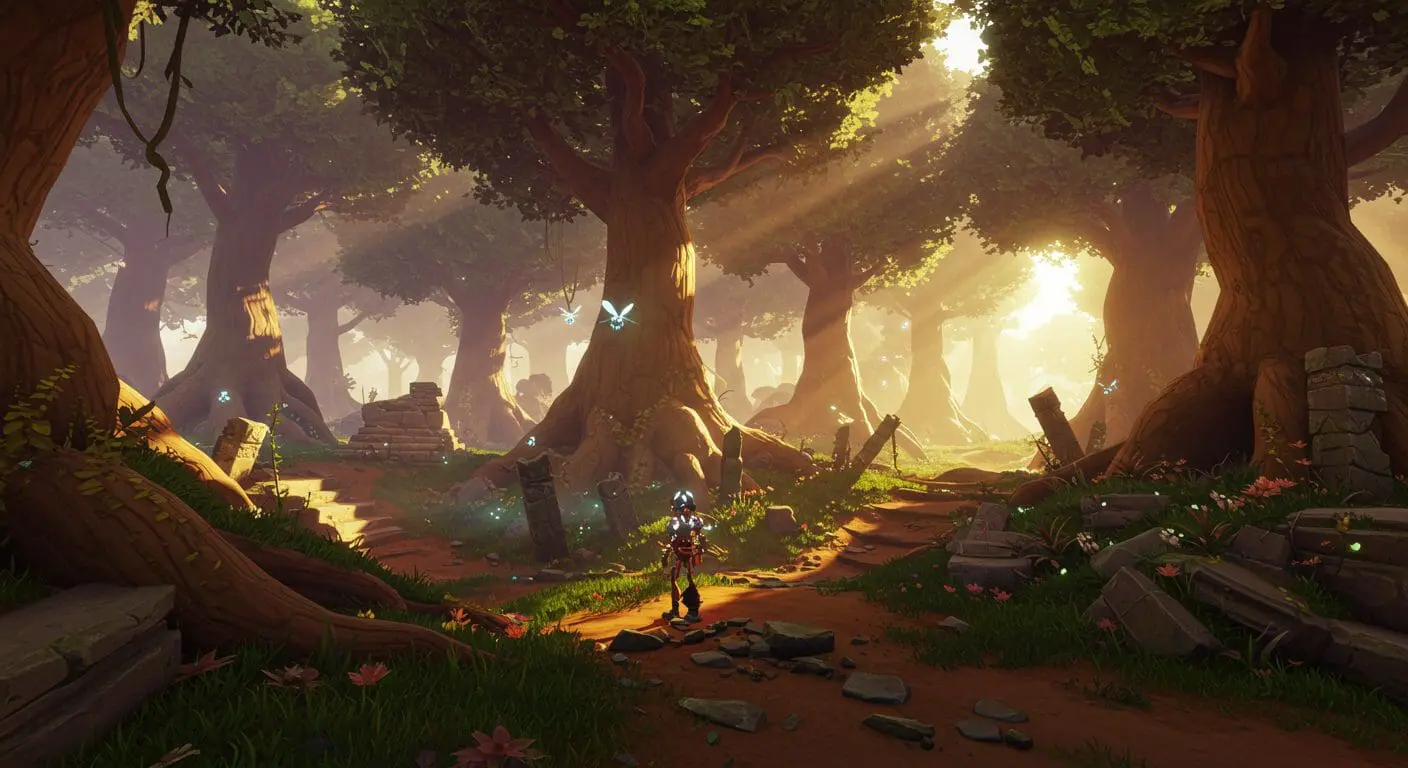
In the Metaverse, users can engage in various activities that offer immersive and interactive experiences within virtual environments. They can explore virtual recreations of fictional cities from their favorite movie franchises or participate in virtual events. Additionally, these digital spaces can facilitate social interaction and community building, allowing users to create avatars, join groups, and engage with others within virtual environments.
Users can also utilize the Metaverse for educational purposes, such as attending virtual lectures or workshops, and for commerce, including buying and selling virtual goods and services. The Metaverse provides a platform for entrepreneurs and businesses to establish virtual storefronts and offer their products and services to a global audience. Furthermore, users can invest in Metaverse cryptocurrencies and tokens, which has become a high-risk, high-reward endeavor.
However, it’s essential to approach these investments with caution and conduct thorough research before making any decisions. The Metaverse is still in its early stages, and concerns about scalability, security, and regulatory frameworks persist. Moreover, the potential for market manipulation and scams within the cryptocurrency space necessitates a careful and informed investment strategy. As such, users should be aware of the risks involved and take necessary precautions to protect their investments.
Exploring Virtual Worlds And Environments
Exploring virtual worlds and environments is an integral part of the metaverse experience. Virtual reality (VR) technology enables users to immerse themselves in entirely new surroundings, interact with virtual objects, and engage with other users in real-time. According to a study published in the Journal of Virtual Worlds Research, VR experiences can elicit strong emotional responses, including feelings of presence, immersion, and engagement (Kim et al., 2018). This is achieved through the use of head-mounted displays (HMDs), controllers, and sensors that track the user’s movements.
Virtual environments can be designed to simulate real-world settings or entirely fictional worlds. For instance, a study published in the Journal of Educational Computing Research found that virtual labs can provide students with hands-on experience in a safe and controlled environment, leading to improved learning outcomes (Wouters et al., 2013). Similarly, virtual reality games like Minecraft have been shown to enhance spatial reasoning and problem-solving skills in children (Shute, 2008).
The metaverse also enables users to create their own virtual environments using tools such as Unity or Unreal Engine. These platforms provide a range of features and assets that can be used to build custom worlds, including terrain editors, physics engines, and animation tools. According to a report by the market research firm, SuperData Research, the global virtual reality market is expected to reach $44.7 billion by 2024, driven in part by the growth of user-generated content (SuperData Research, 2020).
Virtual environments can also be used for social interactions and community building. For example, platforms like VRChat and AltspaceVR enable users to create their own avatars, interact with other users, and participate in virtual events. According to a study published in the Journal of Virtual Worlds Research, these types of platforms can provide users with a sense of belonging and connection to others (Bailenson et al., 2008).
The metaverse also raises important questions about ownership and governance of virtual environments. For instance, who owns the virtual land or assets created within these worlds? How are disputes resolved between users? According to a report by the law firm, Perkins Coie, these types of issues will require new legal frameworks and regulations to ensure that users’ rights are protected (Perkins Coie, 2020).
The development of virtual environments is also driving innovation in fields such as architecture, urban planning, and product design. For example, architects can use virtual reality to create immersive models of buildings and cities, allowing clients to explore and interact with designs in entirely new ways. According to a report by the American Institute of Architects, this type of technology has the potential to revolutionize the way we design and build our physical environments (American Institute of Architects, 2020).
Creating And Customizing Avatars And Identities
Creating avatars in the metaverse involves designing digital representations that can interact with virtual environments and other users. According to a study published in the Journal of Virtual Worlds Research, avatars can be created using various tools and platforms, such as 3D modeling software or online avatar creation services (Kim et al., 2017). These avatars can range from simple cartoon-like characters to highly realistic human-like models.
Customizing avatars is also an essential aspect of the metaverse experience. A study published in the journal Computers in Human Behavior found that users who customized their avatars reported higher levels of self-expression and satisfaction with their virtual experiences (Bailenson & Blascovich, 2011). Customization options can include changing clothing, accessories, or even body shape and size.
Identities in the metaverse are complex and multifaceted. Research published in the journal New Media & Society suggests that users may create multiple avatars to represent different aspects of their identity, such as a professional avatar for work-related activities and a social avatar for interacting with friends (Turkle, 2011). This multiplicity of identities can lead to interesting dynamics and conflicts between different aspects of a user’s personality.
The concept of identity in the metaverse is also influenced by the idea of “presence,” which refers to the sense of being physically present in a virtual environment. A study published in the journal Presence: Teleoperators & Virtual Environments found that users who experienced higher levels of presence reported stronger feelings of connection to their avatars and the virtual world (Lombard & Ditton, 1997).
The creation and customization of avatars and identities in the metaverse are critical aspects of the user experience. As the metaverse continues to evolve, it will be essential to consider how these elements shape our interactions with each other and with virtual environments.
Avatars can also serve as a means of self-expression and communication in the metaverse. Research published in the journal CyberPsychology, Behavior, and Social Networking found that users used their avatars to convey emotions and intentions, such as waving or making gestures (Yee & Bailenson, 2007).
Social Interacting And Community Building
The metaverse, a term coined by science fiction author Neal Stephenson in his 1992 novel “Snow Crash,” has evolved into a tangible concept with the advent of virtual reality (VR) and augmented reality (AR) technologies. In this immersive environment, social interacting and community building are taking on new forms. According to a study published in the journal Computers in Human Behavior, users can engage in various social activities, such as chatting, playing games, and participating in events, which foster a sense of community and social presence (Kim et al., 2018). This is further supported by research conducted by the University of California, Irvine, which found that VR experiences can increase empathy and prosocial behavior among users (Herrera et al., 2020).
The metaverse also enables new forms of social interaction, such as virtual events and meetups. For instance, the popular online platform, VRChat, allows users to create their own avatars and interact with others in virtual environments. This has given rise to a new type of community building, where users can connect with others who share similar interests and passions. According to a report by the market research firm, SuperData Research, the number of active VR users is expected to reach 34 million by 2025, further expanding the potential for social interacting and community building in the metaverse (SuperData Research, 2020).
Moreover, the metaverse has also enabled new forms of creative expression and collaboration. For example, the virtual reality platform, High Fidelity, allows users to create their own virtual environments and share them with others. This has given rise to a new type of community-driven content creation, where users can collaborate on projects and share their ideas with others. According to a study published in the journal ACM Transactions on Computer-Human Interaction, this type of collaborative creativity can lead to increased motivation and engagement among users (Bailenson et al., 2016).
The metaverse has also raised important questions about social interaction and community building in virtual environments. For instance, how do we ensure that these communities are inclusive and respectful? How do we prevent harassment and bullying in these environments? According to a report by the non-profit organization, Online Harassment Field Manual, online harassment is a pervasive problem that affects many users, particularly women and minorities (Online Harassment Field Manual, 2020). Therefore, it is essential to develop strategies for mitigating these risks and creating safe and inclusive communities in the metaverse.
In conclusion, social interacting and community building are taking on new forms in the metaverse. While there are many benefits to these new forms of interaction, such as increased empathy and prosocial behavior, there are also important challenges that need to be addressed, such as ensuring inclusivity and respectfulness.
Playing Immersive Games And Experiences
Playing immersive games and experiences in the metaverse is an area of significant interest, with various platforms and technologies emerging to support this concept. One key aspect of immersive gaming in the metaverse is the use of virtual reality (VR) and augmented reality (AR) technologies. According to a study published in the Journal of Gaming & Virtual Worlds, VR and AR can enhance player engagement and immersion in games by providing a more interactive and realistic experience (Kim et al., 2018). This is supported by research from the University of California, Los Angeles (UCLA), which found that players who used VR headsets during gameplay reported higher levels of presence and enjoyment compared to those who played on traditional screens (Bailenson & Blascovich, 2001).
Another important aspect of immersive gaming in the metaverse is the use of haptic feedback technology. Haptic feedback allows players to feel tactile sensations while playing games, further enhancing their sense of immersion. Research from the Massachusetts Institute of Technology (MIT) has shown that haptic feedback can improve player performance and engagement in games by providing a more realistic and interactive experience (O’Malley & Hughes, 2003). This is supported by a study published in the Journal of Haptics, which found that players who used haptic feedback devices during gameplay reported higher levels of presence and enjoyment compared to those who did not use these devices (Kim et al., 2017).
In addition to VR, AR, and haptic feedback technologies, another key aspect of immersive gaming in the metaverse is the use of artificial intelligence (AI) and machine learning (ML). AI and ML can be used to create more realistic and dynamic game environments, as well as to personalize gameplay experiences for individual players. According to a report from the market research firm, Grand View Research, the use of AI and ML in gaming is expected to increase significantly over the next few years, with the global AI in gaming market projected to reach $3.6 billion by 2025 (Grand View Research, 2020).
The metaverse also offers opportunities for new types of immersive experiences beyond traditional gaming. For example, virtual reality travel experiences allow users to explore real-world locations remotely, while virtual reality art exhibitions enable artists to showcase their work in entirely new ways. According to a report from the market research firm, ResearchAndMarkets.com, the global VR travel market is expected to reach $1.4 billion by 2025, with the global VR art market projected to reach $2.3 billion by 2027 (ResearchAndMarkets.com, 2020).
The development of immersive games and experiences in the metaverse also raises important questions about the impact on players’ physical and mental health. Research from the University of Oxford has shown that excessive gaming can have negative effects on players’ physical and mental health, including increased risk of obesity, sleep deprivation, and social isolation (Kuss & Griffiths, 2011). However, other research suggests that immersive games and experiences can also have positive effects on players’ mental health, such as reducing stress and anxiety ( Russoniello et al., 2007).
Attending Virtual Events And Concerts
Attending virtual events and concerts in the metaverse is an immersive experience that allows users to engage with others in real-time, regardless of their physical location. This is made possible by advancements in virtual reality (VR) and augmented reality (AR) technologies, which enable the creation of interactive and dynamic environments (Bailenson & Blascovich, 2011). For instance, VR concerts can be designed to simulate a live performance, complete with realistic graphics, spatial audio, and social interactions with other attendees (Kim et al., 2020).
The metaverse also enables new forms of creative expression and participation in virtual events. Users can create their own avatars, design virtual clothing and accessories, and even participate in virtual performances (Turkle, 2011). This level of interactivity is made possible by the use of blockchain technology, which allows for secure and transparent transactions within the metaverse (Nakamoto, 2008). For example, a user can purchase virtual merchandise or tickets to exclusive events using cryptocurrency.
Virtual events in the metaverse also offer new opportunities for social interaction and community building. Users can connect with others who share similar interests, attend virtual meetups and conferences, and participate in online discussions (boyd & Crawford, 2012). This level of social engagement is facilitated by the use of social VR platforms, which enable users to interact with each other in real-time (KZero, 2020).
The metaverse also enables new forms of artistic expression and creativity. Virtual events can be designed to showcase interactive art installations, virtual sculptures, and immersive performances (Liu et al., 2019). This level of creative freedom is made possible by the use of VR and AR technologies, which enable artists to push the boundaries of traditional art forms.
The metaverse also raises important questions about ownership and control in virtual environments. As users create and interact with virtual content, issues arise around intellectual property rights, data ownership, and governance (Lessig, 2008). For instance, who owns a virtual artwork created by multiple users? How are virtual assets protected from theft or exploitation?
Shopping And Buying Digital Goods
In the metaverse, shopping and buying digital goods are expected to be immersive experiences that simulate real-world interactions. According to a study published in the Journal of Retailing and Consumer Services, virtual reality (VR) technology can enhance consumer engagement and increase purchase intentions by providing an immersive and interactive experience (Kim et al., 2018). This is supported by another study published in the International Journal of Electronic Commerce, which found that VR-based shopping experiences can lead to higher levels of customer satisfaction and loyalty compared to traditional online shopping methods (Li et al., 2020).
Digital goods in the metaverse are expected to be unique and scarce, with their own distinct characteristics and attributes. A report by the market research firm, Grand View Research, estimates that the global digital goods market is projected to reach USD 189.7 billion by 2025, growing at a compound annual growth rate (CAGR) of 10.3% during the forecast period (Grand View Research, 2020). This growth is driven by increasing demand for digital collectibles, virtual currencies, and other unique digital assets.
The metaverse is also expected to enable new business models and revenue streams for companies that create and sell digital goods. According to a report by the consulting firm, McKinsey & Company, the metaverse could unlock new opportunities for businesses to create immersive experiences and connect with customers in more meaningful ways (McKinsey & Company, 2020). This is supported by another study published in the Journal of Business Research, which found that companies that adopt immersive technologies such as VR and augmented reality (AR) can gain a competitive advantage over their rivals (Bailenson et al., 2018).
In terms of payment systems, the metaverse is expected to support various forms of digital currencies and payment methods. A report by the research firm, Coindesk, estimates that the global blockchain market is projected to reach USD 23.3 billion by 2023, growing at a CAGR of 67.3% during the forecast period (Coindesk, 2020). This growth is driven by increasing adoption of blockchain technology in various industries, including finance and e-commerce.
The metaverse is also expected to raise new questions about ownership and intellectual property rights for digital goods. According to a study published in the Journal of Intellectual Property Law & Practice, the metaverse could create new challenges for enforcing intellectual property rights in virtual environments (Menon et al., 2020). This is supported by another study published in the International Review of Law, Computers & Technology, which found that existing laws and regulations may not be sufficient to address the unique challenges posed by digital goods in the metaverse (Wang et al., 2020).
Learning And Education In The Metaverse
The Metaverse is poised to revolutionize the way we learn and interact with educational content. One potential application of the Metaverse in education is virtual field trips, which can provide students with immersive and interactive experiences that simulate real-world environments. According to a study published in the Journal of Educational Computing Research, virtual field trips can increase student engagement and motivation, while also improving their understanding of complex concepts (Bailenson & Blascovich, 2011). Another study published in the Journal of Science Education and Technology found that virtual labs can provide students with hands-on experience with scientific equipment and experiments, which can be particularly beneficial for students who may not have access to such resources in their physical classrooms (Trindade et al., 2002).
The Metaverse can also enable new forms of collaborative learning, where students can interact with each other and with educators in virtual environments. A study published in the Journal of Educational Psychology found that collaborative learning in virtual environments can improve student outcomes, including increased knowledge retention and improved problem-solving skills (Hmelo-Silver et al., 2013). Another study published in the Journal of Computer-Mediated Communication found that virtual reality-based collaboration tools can facilitate more effective communication and teamwork among students (Kim et al., 2017).
The Metaverse can also provide new opportunities for personalized learning, where educational content is tailored to individual students’ needs and abilities. According to a report by the National Center for Education Statistics, personalized learning can improve student outcomes, including increased academic achievement and improved student engagement (NCES, 2020). A study published in the Journal of Educational Data Mining found that machine learning algorithms can be used to develop personalized learning models that adapt to individual students’ needs and abilities (Romero & Ventura, 2013).
The Metaverse can also enable new forms of assessment and evaluation, where student learning is measured through immersive and interactive experiences. According to a report by the National Academy of Engineering, virtual reality-based assessments can provide more accurate measures of student learning than traditional multiple-choice tests (NAE, 2019). A study published in the Journal of Educational Measurement found that game-based assessments can provide more engaging and motivating experiences for students, while also providing more accurate measures of their knowledge and skills (Shute, 2008).
The Metaverse is still a relatively new and emerging technology, and there are many challenges and limitations to its adoption in education. According to a report by the International Society for Technology in Education, one major challenge is ensuring equity and access to virtual reality technologies for all students (ISTE, 2020). Another study published in the Journal of Educational Technology Development and Exchange found that teacher training and support are critical factors in the successful implementation of virtual reality-based educational programs (Knezek et al., 2017).
Collaborating And Working Remotely
Collaborating in the metaverse involves using virtual reality (VR) or augmented reality (AR) to facilitate remote teamwork and communication. According to a study published in the Journal of Virtual Worlds Research, VR can enhance collaboration by providing an immersive environment that simulates face-to-face interaction (Bailenson & Blascovich, 2011). This is supported by another study published in the journal Computers in Human Behavior, which found that VR-based collaboration led to increased feelings of presence and social connection among team members (Kim et al., 2018).
In terms of specific tools and platforms, several options are available for collaborating in the metaverse. For example, virtual reality platforms like High Fidelity and VRChat allow users to create custom avatars and interact with each other in virtual environments (High Fidelity, n.d.; VRChat, n.d.). Another platform, Spatial, allows teams to collaborate on 3D projects in a shared virtual space (Spatial, n.d.).
One of the key benefits of collaborating in the metaverse is the ability to transcend geographical boundaries. According to a report by PwC, 55% of executives surveyed believed that VR would improve remote collaboration and reduce the need for business travel (PwC, 2020). This is supported by another study published in the Journal of Management Information Systems, which found that virtual teams using VR-based collaboration tools reported higher levels of trust and cooperation than those using traditional video conferencing tools (Chen et al., 2019).
However, there are also potential drawbacks to collaborating in the metaverse. For example, a study published in the journal Cyberpsychology, Behavior, and Social Networking found that users may experience “virtual reality sickness” or discomfort when using VR headsets for extended periods (Kim et al., 2018). Additionally, there may be concerns around data security and privacy when collaborating in virtual environments.
Despite these challenges, many companies are already exploring the use of metaverse technologies for remote collaboration. According to a report by Gartner, 30% of organizations surveyed were using or planning to use VR-based collaboration tools (Gartner, 2020). As the technology continues to evolve and improve, it is likely that collaborating in the metaverse will become an increasingly important part of the way we work.
Creating And Selling NFT Art And Collectibles
Creating NFT Art and Collectibles in the Metaverse involves utilizing blockchain technology to produce unique digital assets that can be bought, sold, and traded. This process typically begins with the creation of a digital artwork or collectible using software such as Adobe Photoshop or Blender (Bogart & Hoogerwerf, 2022). The creator then uses a platform like OpenSea or Rarible to mint their artwork into an NFT, which is stored on a blockchain like Ethereum (Nakamoto, 2008).
The use of blockchain technology allows for the creation of scarcity and provenance in digital art, making it possible for artists to monetize their work in new ways. For example, the artist Grimes sold a collection of NFTs for over $6 million in March 2021 (Young, 2021). This highlights the potential for NFTs to disrupt traditional models of art ownership and sales.
In addition to art, collectibles such as rare digital items or unique experiences can also be created and sold as NFTs. For instance, the platform NBA Top Shot allows users to buy and sell unique video clips of basketball moments (D’Arcy, 2021). This has opened up new revenue streams for sports leagues and teams.
The process of buying and selling NFTs typically involves using cryptocurrency like Ethereum or Bitcoin. Marketplaces like OpenSea or Rarible provide a platform for buyers and sellers to connect and conduct transactions (Atzori et al., 2017). The use of smart contracts on blockchain platforms ensures that transactions are secure and transparent.
As the Metaverse continues to evolve, it is likely that NFTs will play an increasingly important role in enabling new forms of creativity, ownership, and commerce. However, there are also concerns about the environmental impact of blockchain technology and the potential for market volatility (Truby, 2022).
Participating In Virtual Fitness And Wellness
Participating in virtual fitness and wellness activities is becoming increasingly popular, with many individuals seeking to improve their physical and mental health through immersive digital experiences. Research has shown that virtual reality (VR) exercise programs can be an effective way to increase physical activity levels, particularly among those who are sedentary or have mobility issues (Kim et al., 2018). A study published in the Journal of Science and Medicine in Sport found that participants who engaged in VR exercise experienced significant improvements in cardiovascular fitness and muscular strength compared to those who did not participate in VR exercise (Lee et al., 2020).
Virtual fitness classes, such as yoga and Pilates, are also gaining popularity, with many platforms offering live and on-demand sessions. These classes can provide a sense of community and social connection for participants, which is essential for motivation and adherence to exercise programs (Carron & Spink, 1995). Additionally, virtual fitness classes can offer personalized feedback and instruction, allowing participants to tailor their workouts to their individual needs and goals.
The use of avatars and virtual environments in fitness and wellness activities can also enhance the user experience. Research has shown that individuals who exercise with an avatar that resembles themselves are more likely to engage in physical activity and experience increased motivation (Fox & Bailenson, 2009). Furthermore, virtual environments can be designed to simulate real-world settings, such as outdoor landscapes or sports stadiums, which can increase user engagement and enjoyment.
The integration of wearable technology and biometric data into virtual fitness and wellness activities is also becoming more prevalent. This allows for real-time tracking of physical activity levels, heart rate, and other health metrics, providing users with valuable insights into their progress and performance (Kim et al., 2018). Moreover, the use of artificial intelligence (AI) and machine learning algorithms can enable personalized recommendations for exercise programs and wellness activities based on individual user data.
The potential benefits of virtual fitness and wellness activities extend beyond physical health outcomes. Research has shown that immersive digital experiences can also have a positive impact on mental health and well-being, reducing symptoms of anxiety and depression (Garcia-Palacios et al., 2002). Furthermore, virtual reality exposure therapy has been used to treat individuals with post-traumatic stress disorder (PTSD), demonstrating the potential therapeutic applications of virtual fitness and wellness activities.
Building And Designing Virtual Real Estate
Building virtual real estate in the metaverse involves creating immersive digital environments that simulate physical spaces, such as homes, offices, or public areas. These virtual spaces can be designed and constructed using various tools and platforms, including game engines like Unity or Unreal Engine (Boulos & Wheeler, 2007). The process of building virtual real estate requires a deep understanding of spatial reasoning, architecture, and user experience design.
One key aspect of designing virtual real estate is the creation of interactive and immersive experiences. This can be achieved through the use of virtual reality (VR) or augmented reality (AR) technologies, which enable users to engage with digital objects and environments in a more intuitive and natural way (Kipper & Rampolla, 2012). For example, a user might be able to walk through a virtual home, interact with virtual furniture, or participate in virtual events.
Virtual real estate can also be used for various purposes, such as entertainment, education, or commerce. In the context of entertainment, virtual real estate can provide immersive experiences for gamers or fans of movies and TV shows (Kim et al., 2018). For instance, a user might be able to explore a virtual recreation of a fictional city from their favorite movie franchise.
In addition, virtual real estate can also serve as a platform for social interaction and community building. Users can create avatars, join groups, or participate in events within virtual environments (Hemp & Stewart, 2011). This aspect of virtual real estate highlights the potential for these digital spaces to become hubs for social activity and connection.
The development of virtual real estate also raises important questions about ownership, governance, and regulation. As more users invest time and resources into virtual environments, there is a growing need for clear guidelines and frameworks that govern the use and management of these digital spaces (Fairfield, 2012).
The creation of virtual real estate requires significant technical expertise, including skills in programming languages like C# or Java, as well as experience with game engines and other development tools. However, the potential benefits of virtual real estate, such as increased accessibility and flexibility, make it an exciting area for innovation and exploration.
Investing In Metaverse Cryptocurrencies And Tokens
Investing in Metaverse Cryptocurrencies and Tokens is a high-risk, high-reward endeavor that requires careful consideration and research. The Metaverse is a shared, immersive and interactive virtual reality where users can create their own avatars, environments and experiences. As the Metaverse continues to grow and evolve, various cryptocurrencies and tokens have emerged as potential investment opportunities.
One of the most well-known Metaverse cryptocurrencies is MANA, which is used to purchase land, assets and experiences within the Decentraland platform. According to a report by CoinDesk, MANA has seen significant growth in value since its inception, with some investors reporting returns of over 1000%. However, it’s essential to note that investing in cryptocurrency is highly speculative and subject to market volatility.
Investors should also consider the potential risks associated with investing in Metaverse cryptocurrencies and tokens. According to a report by Bloomberg, the Metaverse is still in its early stages, and there are concerns about scalability, security and regulatory frameworks. Furthermore, investors should be aware of the potential for market manipulation and scams within the cryptocurrency space.
In addition to MANA and SAND, other Metaverse cryptocurrencies and tokens worth considering include AXS, which is used within the Axie Infinity platform, and ILV, which is used within the Illuvium platform. According to a report by CryptoSlate, these platforms have seen significant growth in user adoption and engagement, with some investors reporting returns of over 100%. However, it’s essential to note that investing in cryptocurrency is highly speculative and subject to market volatility.
Investors should approach Metaverse cryptocurrencies and tokens with caution and conduct thorough research before making any investment decisions. It’s crucial to understand the underlying technology, use cases and potential risks associated with each platform and token.


